
Material Testing Blog

HomeMaterial Testing Blog

China Top 10 Horizontal Tensile Testing Machine Suppliers

China’s testing equipment market includes manufacturers serving laboratories, factories, and quality teams. This guide introduces ten Chinese suppliers of horizontal tensile testing machines. It helps buyers compare equipment, rather than presenting a fixed ranking of quality. Supplier capabilities and product lines can change.

A horizontal tensile testing machine applies a controlled pulling force along a horizontal axis. With suitable fixtures and test methods, it can evaluate materials, components, and joints. Capacity is only one part of the decision. Buyers should also check force accuracy, travel length, gripping options, software functions, safety features, calibration records, and after-sales support. A clear specification sheet helps. So does a real demonstration.

Small details matter. A grip that slips can distort results. A poorly matched load range may reduce measurement confidence. The suppliers profiled here may differ in specialization, customization, export experience, and service coverage. Verify current certifications and technical claims directly. This comparison offers a practical starting point, not a substitute for engineering review. Some product information may be incomplete or difficult to compare across brands; that limitation deserves attention. Ask for sample test data, installation requirements, and response times before requesting a quotation. The right supplier is the one whose machine, documentation, and support fit the actual test—not simply the lowest price.
China Top 10 Horizontal Tensile Testing Machine Suppliers

What Is a Horizontal Tensile Testing Machine?

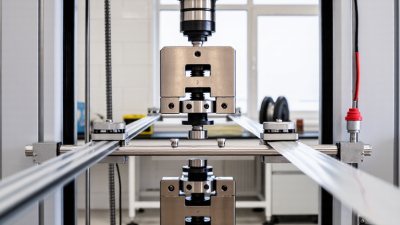
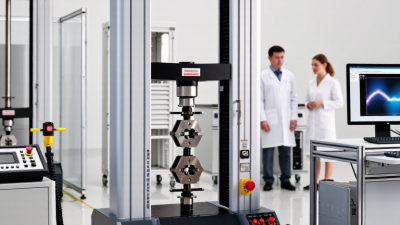
A horizontal tensile testing machine is a load frame that pulls a specimen along a horizontal axis. One end is secured in a fixed grip; the other moves under controlled force. A load cell records tension, while an extensometer can measure how far the sample stretches. That geometry matters. Long or heavy specimens, such as wire rope, cable, geotextiles, and structural members, can be supported more easily than in a vertical frame. Reduced sag can help limit bending, though poor alignment may still distort results.

The method depends on the material, not just the machine. ASTM D4595/D4595M describes a wide-width tensile test for geotextiles, while ISO 13934-1 covers strip tensile testing of fabrics. These standards help define specimen preparation and measurement, so results can be compared more consistently. In practice, operators also check grip pressure, jaw condition, and specimen centering. A slipping grip can spoil a test. So can an unnoticed kink.

The scale of material production gives this testing practical context. World Steel Association’s World Steel in Figures 2025 reports 1,882.6 million tonnes of crude steel production for 2024. That figure is not a machine-sales measure, but it shows the volume of material whose strength needs verification. A horizontal frame is not automatically more accurate. Its value depends on suitable capacity, calibrated sensors, careful setup, and a test procedure matched to the specimen. One detail is easy to overlook: very long samples may need supports that do not interfere with their movement.

China Top 10 Horizontal Tensile Testing Machine Suppliers — What Is a Horizontal Tensile Testing Machine?

A horizontal tensile testing machine pulls a specimen along a horizontal axis and records the applied force and extension. Tensile strength is calculated from the maximum force and the specimen’s original cross-sectional area. The ranges shown are indicative values for broad material families, not supplier or machine performance ratings; actual results vary with grade, processing, specimen direction, and test standard.

How Horizontal Tensile Testing Machines Are Used in China

In China, horizontal tensile testing machines are used to assess long or flexible products that are awkward to grip vertically. Testing laboratories and factory quality teams may evaluate geotextiles, woven webbing, packaging films, ropes, and cable assemblies. A horizontal frame supports the specimen along its length, helping reduce sag before the test begins. That matters.

Operators secure each end with suitable grips, enter the test method, and apply a controlled pulling force. The machine records load and extension, allowing teams to compare batches or investigate a product failure. For example, a webbing producer may check whether a sample stretches too far before breaking. The fixture must match the material; otherwise, slippage or crushed edges can distort results.

Chinese manufacturers use these systems in production checks, supplier evaluation, and research work. Test conditions should reflect the product and the relevant method, not just the machine’s maximum force. Regular calibration and documented specimen preparation improve repeatability. Even so, a tidy graph does not guarantee a sound test. Grip alignment, humidity, and uneven samples can still affect the outcome, and busy labs may overlook small setup differences. A second review is often worthwhile.

Key Criteria for Evaluating Chinese Suppliers

When evaluating Chinese horizontal tensile testing machine suppliers, compare verified performance, not brochure claims. Request the force range, measurement accuracy, crosshead speed range, and calibration records. Ask for a test using your actual specimen and grips. Watch for slippage, uneven fracture, and force readings that drift during repeated runs. Small details matter. For metallic specimens, check whether the supplier can document procedures aligned with ASTM E8/E8M or ISO 6892-1. These standards support meaningful comparisons, but they do not certify a machine or supplier by themselves. I would ask for raw test data, too; a polished certificate alone may leave questions.

Supplier evaluation should include service response, spare-part availability, operator training, and clear warranty terms. Grand View Research’s Materials Testing Market report estimated the global market at USD 5.2 billion in 2022 and projected a 4.6% compound annual growth rate from 2023 to 2030. This is market context, not proof that any individual supplier is reliable. Ask how calibration is traceable, who handles repairs, and whether common parts are stocked locally. A live demonstration can reveal more than a long specification sheet. Still, one visit is only a snapshot, and I may be placing too much weight on it. Request references from users with similar materials, loads, and testing frequency.

China Top 10 Horizontal Tensile Testing Machine Suppliers - Key Criteria for Evaluating Chinese Suppliers

A practical, evidence-based checklist for comparing suppliers of horizontal tensile testing machines. The criteria below are evaluation dimensions, not supplier rankings or claims about individual companies.

No. Evaluation criterion What to check Evidence to request Practical evaluation point
1 Force capacity and measurement range Available maximum force, load-cell options, and the accuracy range for the forces used in your tests. Technical datasheet showing force capacity, measurement range, and applicable accuracy class. Choose capacity based on the expected specimen loads; verify performance at the operating forces, not only at maximum capacity.
2 Force verification and calibration Whether the force-measuring system can be verified to ISO 7500-1 or ASTM E4, as required by your application. Current calibration or verification records identifying the machine, force range, method, and traceability chain. ISO 7500-1 defines verification and classification of static uniaxial testing machines; confirm that the verified range covers your intended tests.
3 Extensometer and strain measurement Extensometer type, gauge length, measuring range, and suitability for the specimen and strain range. Extensometer specifications and, where applicable, calibration documentation referencing ISO 9513. For tests requiring accurate strain or elongation results, confirm that the measurement method and extensometer class meet the relevant test method.
4 Test-method compatibility Support for the material, specimen geometry, test speed, and procedure required by your application. A method-specific test plan or demonstration, including the applicable standard and controlled test parameters. For metallic materials tested at room temperature, ISO 6892-1 is one commonly used method; other materials may require different standards.
5 Horizontal frame and usable test space Clear test space, stroke, alignment, mounting arrangement, and access for the full specimen length and fixtures. Dimensioned machine drawing showing working space, stroke, mounting points, and installation requirements. Check the complete setup—including grips, specimen, and any attachments—against the available travel and laboratory space.
6 Grips and specimen fixtures Grip type, jaw material, clamping range, load transfer, and options for the specimen shapes and materials you test. Grip drawings, compatible specimen dimensions, and details of any included or optional fixtures. Grip suitability is application-specific; confirm that the specimen can be held without slippage or unintended damage during the test.
7 Control system and test software Control modes, test-speed settings, data acquisition, result calculations, data export, and user access controls. Live software demonstration and sample raw-data and results files for a representative test. Confirm that the software records the variables and produces the reports required by your quality system and test procedures.
8 Manufacturing and quality controls Documented inspection and assembly processes, component traceability, and final acceptance testing. Quality-system certificates where applicable, inspection records, and a sample factory acceptance test report. Check certificate scope and validity; a quality certificate alone does not establish that a particular machine meets its specifications.
9 Installation, training, and after-sales support Installation responsibilities, operator training, troubleshooting channels, spare-parts availability, and service coverage. Written service terms, training scope, response process, and a list of recommended consumables or spare parts. Clarify which support is available locally and which services require remote assistance or an on-site visit.
10 Quotation, delivery, and warranty terms Included machine configuration, accessories, packaging, delivery schedule, warranty coverage, and exclusions. Itemized quotation, written warranty, delivery terms, and a configuration list tied to the machine specification. Compare equivalent configurations and confirm in writing what is included, what is optional, and how warranty service is handled.

Note: Standards and verification requirements depend on the material, test method, and destination-market requirements. Request documentation for the specific machine configuration being quoted and independently verify claims before purchase.

Profiles of 10 Leading Horizontal Tensile Testing Machine Suppliers in China

China’s horizontal tensile testing suppliers serve different testing needs, from long-span geotextiles to metal cables and packaging materials. The profiles below compare ten common supplier strengths rather than claim a verified ranking. No company names are used.

One supplier type focuses on universal testing frames for factories. Another builds extended-stroke systems for ropes and woven fabrics.

A third specializes in metal wire, with grips designed to limit slippage. Other suppliers serve geotextile laboratories, flexible packaging producers, and cable manufacturers.

Some offer custom fixtures for unusual specimens; others prioritize standard machines with straightforward controls.

Research-focused suppliers may provide detailed calibration records and software support. Export-oriented suppliers often prepare clearer technical documents.

Budget-conscious makers may suit routine checks, though service scope deserves careful review.

Details matter. Ask how the machine handles specimen alignment, grip pressure, travel length, and emergency stops. A sample test can reveal slipping jaws or uneven loading before installation. Check whether calibration support is available locally and confirm the stated force range fits the actual material. A strong-looking catalogue is not enough. I would also verify spare-part lead times; that detail is easy to overlook, and supplier claims may need independent confirmation.

How to Compare Suppliers Before Making a Purchase

China Top 10 Horizontal Tensile Testing Machine Suppliers: How to Compare Suppliers Before Making a Purchase

When comparing suppliers in China, start with your actual test materials, not the largest advertised capacity. A machine for woven fabric may need different grips and travel than one for metal strip. Ask each supplier to test your sample and provide the force-extension curve, test speed, and failure photographs. Small details matter.

Check calibration evidence against ISO 7500-1:2018, which defines Class 0.5 force-indication error limits of ±0.5% and Class 1 limits of ±1%. These figures apply to verified force-measuring systems, not every machine setting. Ask for the calibration range and certificate, then confirm the range covers your usual loads. Screen resolution is not the same as measurement accuracy. Easy to miss.

Compare practical build details: grip alignment, crosshead travel, extensometer options, software export formats, and guarding. Request a live demonstration using your test method. A polished video is useful, but raw data is better. Check whether the quote includes installation, operator training, spare grips, and calibration support. Delivery price alone can mislead. I would also ask for a written response time for service; it is an awkward question, but waiting weeks for a small part can disrupt testing.

Go to Top