2026 Top Tensile Machine Types for Global Buyers?
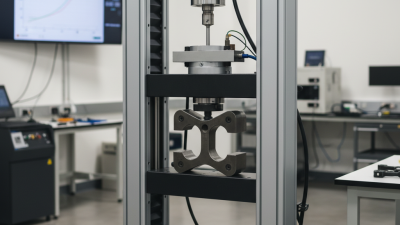
In 2026, selecting the right tensile machine requires more than comparing maximum force. Global buyers must match machine design, test standards, specimen size, and production conditions. A compact electromechanical model may suit plastics, films, textiles, and small metal coupons. A hydraulic system may be better for heavy steel, composites, or high-load components. The correct choice depends on evidence, not attractive catalog numbers.
Mechanical engineering educator George E. Dieter wrote, “The main objective of materials testing is to determine the relation between the structure and properties of materials.” That principle still matters. A reliable tensile machine should produce repeatable data under clearly controlled conditions. Buyers should examine load-cell accuracy, extensometer performance, grip alignment, crosshead speed, software traceability, and calibration records. Standards such as ASTM E8/E8M, ISO 6892-1, and ISO 527 can guide the evaluation.
Real laboratories reveal practical details. A poorly aligned grip can mark a thin film. Humidity can alter textile results. Heat can weaken an extensometer’s accuracy. These issues are easy to underestimate. No machine is perfect.
The strongest purchase decision connects the machine with the actual test routine. It also considers local service, spare parts, operator training, and future materials. Some suppliers promise universal capability, but that promise deserves careful questioning. This guide compares the top tensile machine types for global buyers, while acknowledging an uncomfortable truth: the most expensive system is not always the most reliable choice.
What Is a Tensile Testing Machine and How Does It Work?
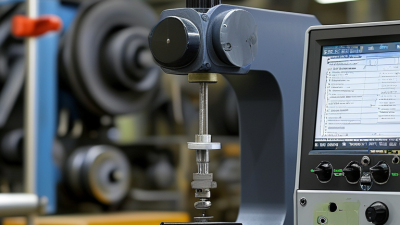
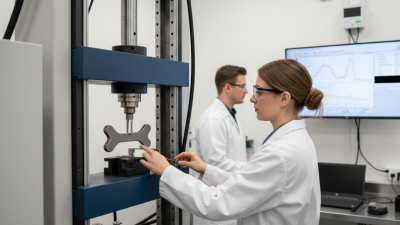
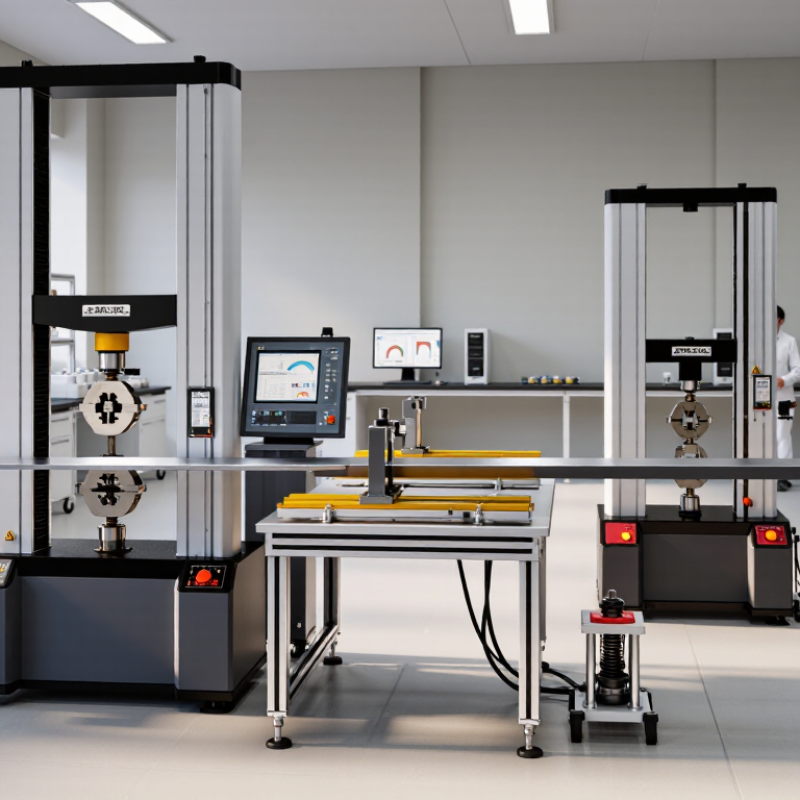
A tensile testing machine measures how a material responds when pulled. It applies controlled force through a moving crosshead, grips, and a load cell. An extensometer records elongation, while software converts force and displacement into stress and strain. The resulting curve reveals yield strength, ultimate tensile strength, and fracture behavior.
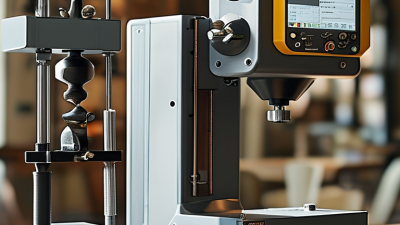
Common configurations include electromechanical, hydraulic, servo-hydraulic, single-column, dual-column, tabletop, floor-standing, universal, high-temperature, and creep-tensile systems. The right type depends on force range, specimen geometry, speed, temperature, and laboratory workload.
ASTM E8/E8M defines widely used metallic tensile practices, while ISO 7500-1 specifies verification requirements for force-measuring systems. These details matter. A strong frame cannot correct poor alignment.
Market research also shows expanding demand. Grand View Research estimated the global universal testing machine market at about USD 570 million in 2023, with continued growth toward 2030. Such figures suggest broader testing activity, not automatic equipment quality.
In practice, grip slippage, uneven clamping, and incorrect extensometer placement can distort results. A neat curve may still hide a bad grip.
Buyers should compare calibration traceability, control stability, safety features, and service support, rather than force capacity alone. ISO 6892-1 also emphasizes controlled strain rates for metallic materials, a requirement often underestimated during routine purchasing.
Which Tensile Machine Types Will Lead Global Markets in 2026?
In 2026, universal testing machines will likely lead global markets because they serve plastics, metals, textiles, packaging, and construction materials. Their main advantage is flexibility. A single frame can perform tensile, compression, bending, and peel tests with suitable fixtures. Digital force sensors, automatic data capture, and software-based reporting will remain important for laboratories seeking repeatable results.
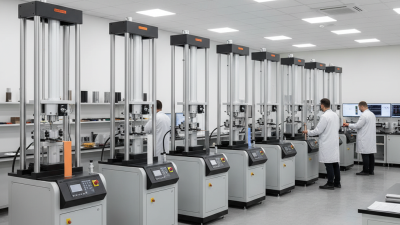
Electronic universal testing machines should see the widest adoption among small and medium-sized laboratories. They offer clean operation, accurate low-force measurement, and lower maintenance than older hydraulic systems. Servo-hydraulic machines will remain essential for heavy metals, structural components, and aerospace testing. They handle high loads and repeated cycles, although they require more floor space, technical training, and maintenance planning. That matters in emerging markets.
Portable tensile testers may gain attention in production plants and field inspections. Operators can check cable strength, film seals, or textile seams near the work area. Compact systems save transport time. However, portability can reduce fixture options and environmental control. A practical warning: convenient equipment does not automatically produce reliable results. Calibration, specimen alignment, gripping pressure, and operator skill still affect every reading. High-temperature and automated tensile systems will expand in advanced materials research, but their prices may limit adoption. Market forecasts are useful, yet imperfect. Regional budgets, local service capacity, and changing material standards can quickly alter buyer preferences.
How Do Different Tensile Machines Compare by Application and Material?
For global buyers in 2026, tensile machine selection should start with the material, not the advertised force. Electromechanical models suit plastics, films, textiles, wire, and light metal testing. They offer controlled speed and clean data in laboratory environments. Hydraulic systems handle high-force steel, structural alloys, and heavy components more comfortably. Their frames are robust, but low-load accuracy may suffer without the correct load cell. That trade-off is often overlooked.
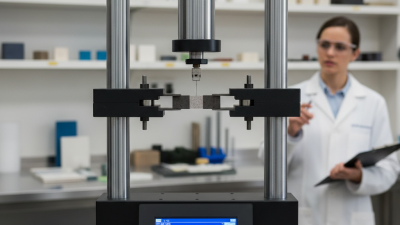
For rubber and flexible packaging, choose grips that prevent slipping or cutting. A machine with precise low-speed control can reveal yield, elongation, and tear-related behavior more clearly. Metals usually need rigid fixtures, higher capacity, and extensometers for reliable strain measurement. Composites demand careful alignment because uneven loading can create misleading failure. Servo-controlled systems support complex test profiles, although they require better training and maintenance. I have seen excellent machines produce questionable results when operators ignored specimen conditioning. A perfect frame cannot repair poor preparation.
Tips: Match capacity to the expected force, keeping tests within a practical middle range. Confirm fixture compatibility before purchase. Check calibration support, software language, electrical standards, and spare-part access locally. Ask for raw data export, not only attractive graphs. If samples vary widely, one universal machine may sound efficient, but it can weaken accuracy. Sometimes, two focused setups are wiser.
What Key Specifications Should Global Buyers Evaluate Before Purchasing?
Global tensile machine buyers should evaluate specifications beyond maximum load. The correct machine type depends on the material, test method, and expected production volume. Electromechanical systems suit many films, textiles, plastics, and metals. Servo-hydraulic systems handle higher forces. Universal testing machines offer broader flexibility.
Check the load capacity first, but do not choose only the largest rating. A 100 kN frame may perform poorly on delicate samples. Accuracy should remain within the required standard across the working range. Review force resolution, crosshead speed, travel distance, and grip compatibility. A machine may advertise high precision, yet unsuitable grips can distort results. Small details matter.
Temperature control can be critical for rubber, polymers, and packaging materials. Ask about chamber range, heating stability, and humidity exposure. Software should record force, displacement, strain, and failure points clearly. Data export formats also matter for laboratories across different countries. Confirm electrical requirements, calibration certificates, spare parts, and operator training before purchase. Local service is useful, but not always dependable. This needs honest checking. Inspect the frame stiffness, emergency stop, guarding, and machine noise during a live demonstration. A cheaper system may reduce the initial budget, then create costly testing delays. Global buyers should compare complete ownership costs, not only the quotation.