How to Choose the Best Strength Testing Machine for Your Needs?
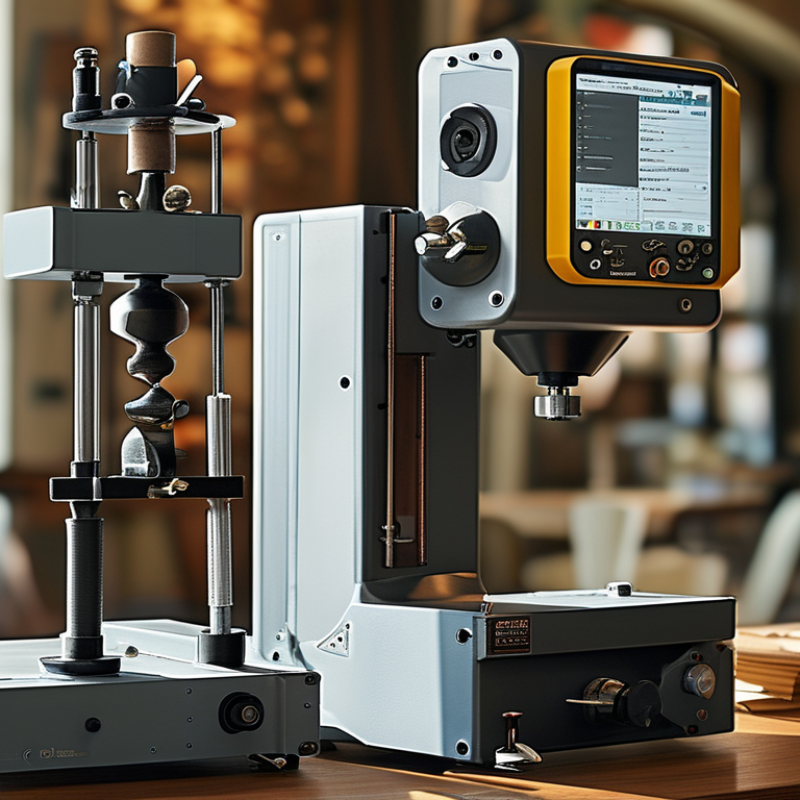
Choosing the best strength testing machine can be a daunting task. The market offers various products, each with distinct features and specifications. Understanding your specific needs is crucial in making an informed decision.
A reliable strength testing machine should cater to your testing requirements. Consider the materials and types of tests you will perform. You need to assess the machine’s capabilities and accuracy. Reliable data is essential for any testing process.
Not every machine will suit all projects. Some may have advanced technology, while others focus on simplicity. Reflect on your long-term goals and budget. A higher price tag doesn’t always guarantee superior quality. Identifying key features and trade-offs is part of the journey. Ultimately, the right choice depends on various factors unique to your situation.
Factors to Consider When Selecting a Strength Testing Machine
Choosing the right strength testing machine requires careful consideration of several factors. First, identify your specific testing needs. Different applications may demand varied features. Some machines excel in tensile testing, while others may be better for compression tests. Understanding your requirements will narrow down your options.
Precision and reliability are crucial when selecting a machine. Look for devices that provide accurate measurements. A machine with a high load capacity might not serve well if it lacks sensitive gauge capabilities. Check for certification and industry standards to ensure you are investing in a quality product. Additionally, consider the software integration. User-friendly interfaces can dramatically simplify data collection and analysis.
Cost can often outweigh all these factors. A low price may lead to compromises in durability or accuracy. It’s important to balance budget constraints with the need for dependable equipment. Think about future needs as well. Investing in a machine that grows with your requirements can save money in the long run. Reflecting on these aspects will guide you toward a more informed decision.
Types of Strength Testing Machines and Their Applications
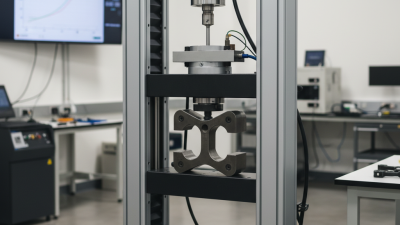
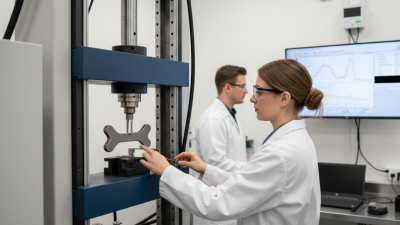
Strength testing machines come in various types, each suited for different applications. Tensile testing machines are among the most common. They measure a material's resistance to being pulled apart. These machines help engineers assess the ductility and strength of metals or plastics. They are essential in quality control for manufacturing processes.
Another type is the compression testing machine. This device tests materials under compressive loads. It reveals how materials deform when squeezing forces are applied. Common in construction and civil engineering, this machine measures the strength of bricks, concrete, and other building materials.
Impact testing machines also play a crucial role. They determine how materials behave under sudden forces. This is vital for industries related to safety equipment. Understanding a material’s toughness can prevent failures in critical applications. Selecting the right machine is key. Consider your specific needs and the type of materials you’ll be testing. Reflect on your testing environment and the level of precision required.
How to Choose the Best Strength Testing Machine for Your Needs? - Types of Strength Testing Machines and Their Applications
| Type of Machine |
Measurement Capability |
Applications |
Key Features |
| Universal Testing Machine |
Tensile, Compression, Shear |
Material Testing, Plastic & Metal Industries |
Digital Display, Load Cells, Data Analysis Software |
| Hardness Tester |
Rockwell, Brinell, Vickers |
Metal Industry, Quality Control |
Portable Options, High Precision, User-Friendly Interface |
| Tensile Tester |
Ultimate Tensile Strength, Elongation |
Textiles, Plastics, Metals |
Ease of Calibration, Automation Capabilities |
| Compression Testing Machine |
Compressive Strength |
Concrete, Masonry, Ceramics |
Robust Construction, High Load Capacity |
| Flexural Testing Machine |
Flexural Strength |
Composite Materials, Structural Components |
Multi-Function Testing, Data Logging |
Understanding Testing Standards and Specifications
When selecting a strength testing machine, understanding testing standards is crucial. Various standards dictate how tests should be performed, ensuring reliability and consistency across measurements. For example, ASTM D638 outlines tensile properties for plastics, which can guide machines for specific materials. Compliance with such standards assures users of the machine's capability to deliver accurate results.
Specifications play a key role in matching equipment to testing needs. Consider the load capacity, stroke length, and speed of the machine. A report from the International Society of Automation suggests that 25% of companies fail to meet product specifications due to inadequate testing equipment. This statistic highlights the importance of selecting a machine that aligns with your specific testing requirements.
Testing machines must also be calibrated regularly to maintain accuracy. Even high-end machines can produce skewed results without proper maintenance. Ensure the machine meets your industry’s calibration standards, which can vary widely. The right machine should not only meet standards but also adapt to your evolving needs.
Budgeting for Your Strength Testing Machine Investment
When investing in a strength testing machine, budgeting effectively is crucial. According to industry reports, prices can vary significantly based on the features you choose. Basic models start around $2,500, while advanced machines can exceed $50,000. This wide range reflects the technology and accuracy involved. It's essential to assess what features are necessary for your specific applications, such as load capacity or data analysis capabilities.
Consider the long-term value of your investment. Spending less initially may lead to higher costs later on due to maintenance or inadequate performance. A study by the ASTM revealed that machines with higher precision often yield more reliable results, thus reducing errors in testing. Additionally, budget for potential upgrades and accessories that may enhance the machine's capabilities.
Also, reflect on your current and future needs. Are you focusing only on strength measurement, or do you need multifunctional capabilities? Planning for the expected usage intensity can help determine the appropriate price range. Balancing performance with budget constraints is key. This requires honest evaluation of your financial situation and testing requirements. The goal is to find a solution that aligns well with both your technical needs and your budget.
Tips for Maintenance and Longevity of Testing Equipment
Maintaining the longevity of your strength testing machine is crucial for reliable results. Regular maintenance checks can help identify issues before they escalate. Each component plays a vital role; neglect can lead to costly repairs. It’s important to create a schedule for inspections to avoid unexpected downtime.
Tips for maintenance include cleaning the machine regularly. Dust and debris can obstruct its operation. Ensure that all moving parts are lubricated adequately. This reduces wear and keeps the machine functioning smoothly. Calibration should be performed periodically to maintain accuracy.
Another key factor is training operators properly. They should understand how to use the equipment safely and efficiently. User error can lead to severe damage. Document any maintenance performed; this creates a reliable history for future reference. Reflecting on past maintenance can guide better practices.