Top Spring Testing Machine Features That You Should Know?
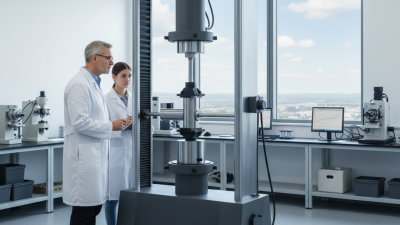
In the world of material testing, the spring testing machine plays a crucial role. Experts agree on its significance. Dr. Emily Carter, a leading specialist in mechanical testing, once stated, "Understanding the features of spring testing machines can greatly enhance product reliability."
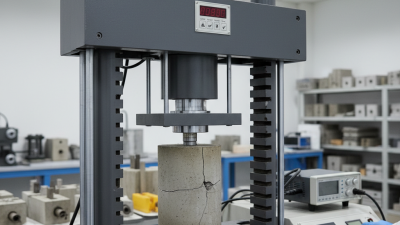
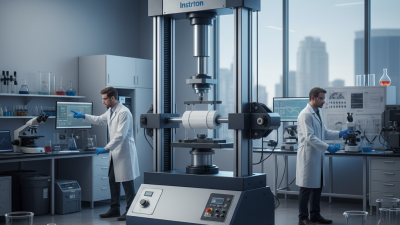
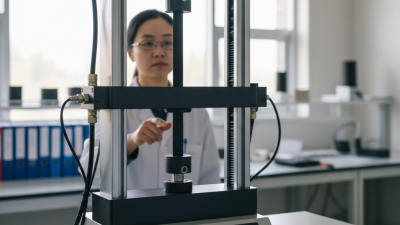
These machines are designed to evaluate the durability and performance of springs. With the right features, they can ensure accurate measurements and reliable data. For example, a good spring testing machine offers adjustable load capacities and precise control mechanisms. These attributes are vital for engineers and manufacturers seeking to develop high-quality products.
However, not all machines meet these criteria. Some may lack essential features, leading to inaccurate testing. It's important to consider the specific needs of your testing environment. An informed choice in selecting a spring testing machine can significantly impact your production outcomes. The right features can ultimately drive success in product development and innovation.
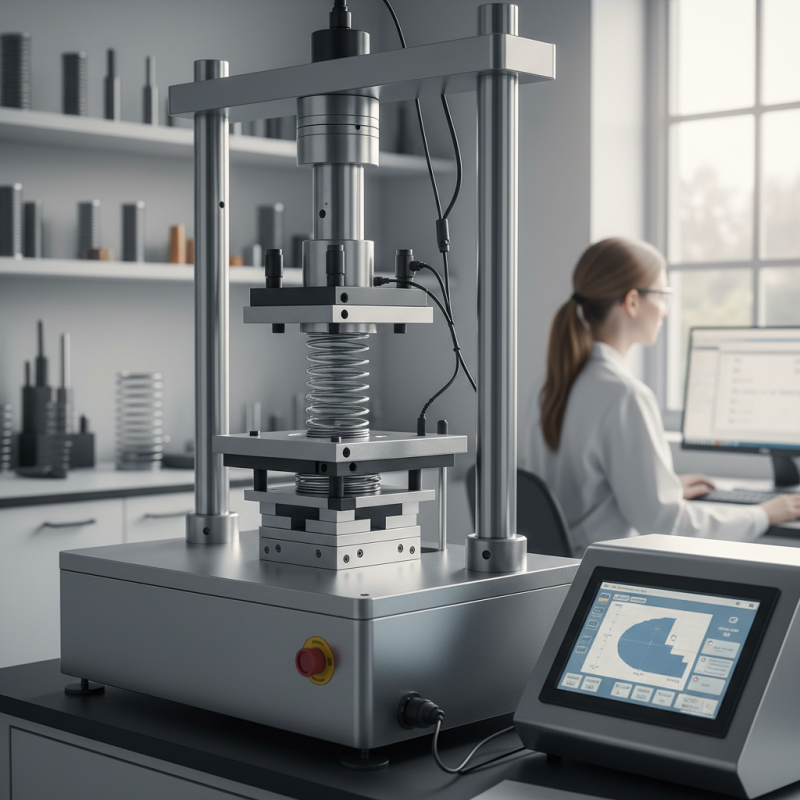
Key Characteristics of Spring Testing Machines
When considering spring testing machines, understanding their key characteristics is crucial for effective evaluations. These machines play a vital role in ensuring quality control in industries that utilize springs, such as automotive and aerospace. A recent report from Market Research Future estimates that the global spring testing machine market is expected to reach $200 million by 2025, primarily driven by increasing demand for precision testing.
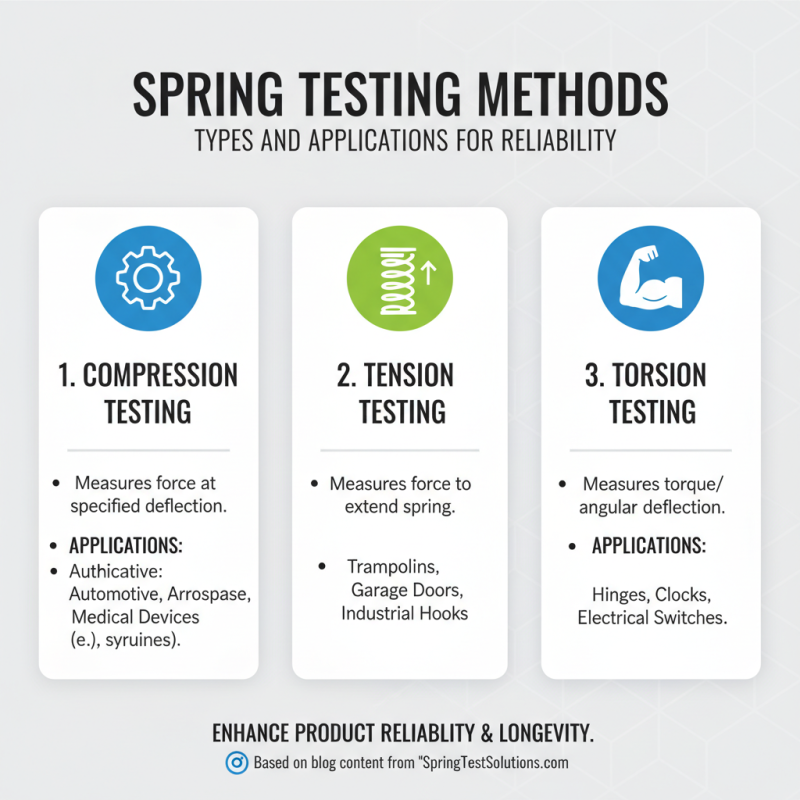
One prominent feature is the load capacity. Machines can test springs under various loads, measuring their reaction under tension and compression. The precision of measurements is essential. Calibration options help maintain consistency. It’s also important for users to know that not all machines can test every type of spring. This can lead to unmet expectations.
Tip: Always confirm the machine's specifications against your testing requirements. Another feature to consider is data analytics capabilities. Advanced machines often come with software that provides in-depth analytics of test results, helping to identify potential issues quickly. However, not every machine integrates seamlessly with existing systems, which can create operational challenges. Ensuring compatibility from the start is essential for smooth operations.
Top Spring Testing Machine Features
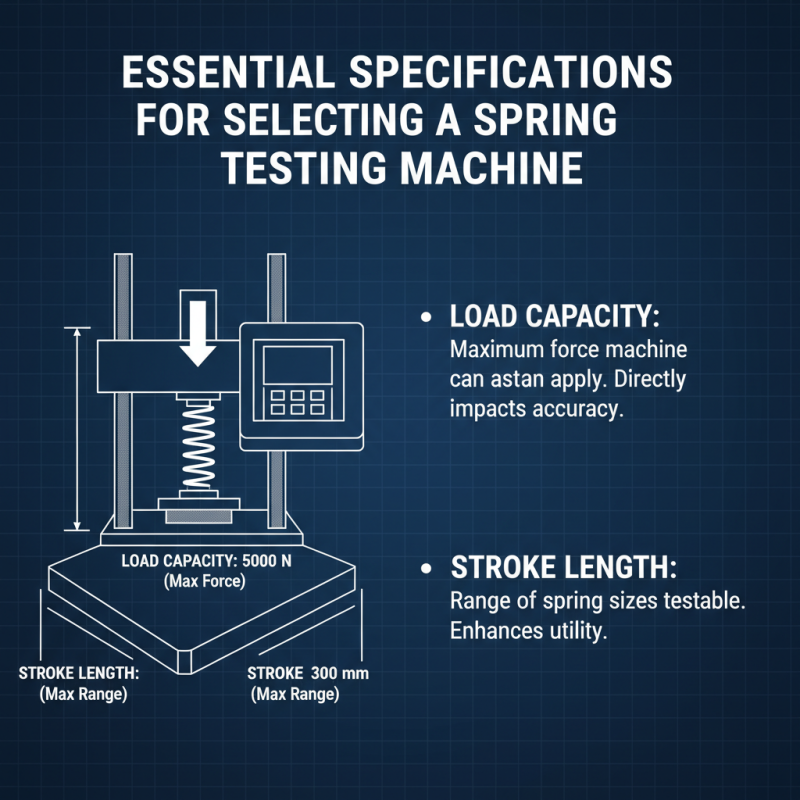
Essential Specifications for Selecting a Spring Testing Machine
When selecting a spring testing machine, various essential specifications come into play. First, you should consider the machine's load capacity. This defines the maximum force it can apply to a spring. Understanding this aspect directly impacts the accuracy of your test results. Additionally, check the machine's stroke length. A longer stroke allows testing a wider range of spring sizes, enhancing its utility.
Another important feature is the measurement resolution. Higher resolution provides more precise readings. This is crucial in environments needing strict compliance with specifications. Look for machines offering digital displays for easy readouts. User-friendly interfaces assist operators in efficiently navigating the machine.
You may also need to evaluate the speed of operation. Some applications require rapid testing processes, whilst others may not. Analyze how quick the machine can perform its tasks. Reliability of the machine is paramount. Instruments should maintain accuracy over time and use. Regular maintenance can mitigate deviations in performance, but it requires diligence.
Importance of Calibration and Maintenance for Testing Accuracy
Calibration and maintenance are crucial for ensuring testing accuracy in spring testing machines.
Regular calibration minimizes errors and ensures that readings reflect true performance. If calibration is neglected, the machine may display inaccurate results. This can lead to faulty assessments, affecting quality control processes.
Maintenance is equally important. It involves regular checks and servicing of machine components. A machine in poor condition can skew test outcomes. For instance, worn-out springs or faulty sensors may compromise data integrity. Organizations should implement preventive maintenance schedules that detail inspection frequencies.
Ignoring these practices can lead to costly consequences. A machine that is not calibrated or maintained can produce unreliable results. This could affect product safety and compliance. Organizations may face recalls or regulatory fines. Investing time in calibration and maintenance is not just a good practice; it is essential for accurate testing and optimal machine performance.
Innovations in Spring Testing Technology and Future Trends
Spring testing technology has seen significant innovations in recent years. Advanced sensors and automation tools enhance accuracy and efficiency. These systems can now perform real-time data analysis. This means faster feedback for engineers. Real-time results help reduce development time.
Additionally, the integration of AI and machine learning is becoming prominent. These technologies predict failures before they occur. By analyzing previous data, mistakes can be avoided. This leads to safer and more reliable products. However, the reliance on technology raises concerns. Not all systems are foolproof, and human oversight remains crucial.
Moreover, the trend towards sustainability influences spring testing. Eco-friendly materials and processes are gaining traction. Testing machines are now designed for energy efficiency. As industries evolve, adaptability in testing methods is vital. It’s essential to balance technology with practical applications. This presents an ongoing challenge for engineers and designers alike.