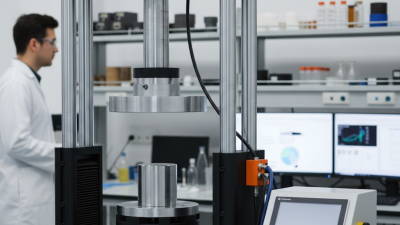
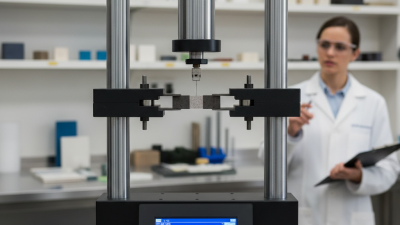
Top Shimadzu Universal Testing Machine Models in 2026
Selecting a shimadzu universal testing machine in 2026 means matching the instrument to real test conditions, not simply comparing headline force capacity. A polymer film, a metal coupon, and a finished component place different demands on grips, fixtures, load cells, and control software. Small setup choices can change results.
The need for dependable mechanical testing is substantial. The World Steel Association reported global crude steel production of 1,882.6 million tonnes in 2024, a useful indicator of the scale of materials manufacturing and qualification. For machine verification, ASTM E4-24 addresses force verification of testing machines, while ISO 7500-1:2018 covers calibration and verification of static uniaxial testing machines. These references help frame comparisons, but they do not certify every instrument configuration or guarantee a particular test outcome.
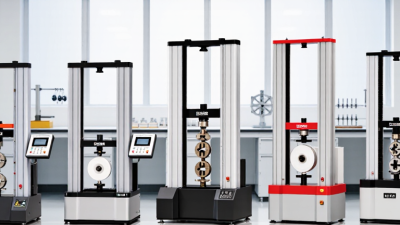
This guide examines prominent Shimadzu families, including AGX-V2, AGS-X, and Autograph systems, through practical selection factors: force range, crosshead travel, test speed, extensometry, and available fixtures. A compact benchtop setup may suit routine tensile checks; a higher-capacity frame may better accommodate larger specimens or demanding applications. Still, a model name is not a test plan. Buyers should verify the required standard, specimen geometry, measurement uncertainty, service support, and software needs with the supplier. Published specifications are a starting point, not a substitute for application-specific review. That distinction is easy to miss.
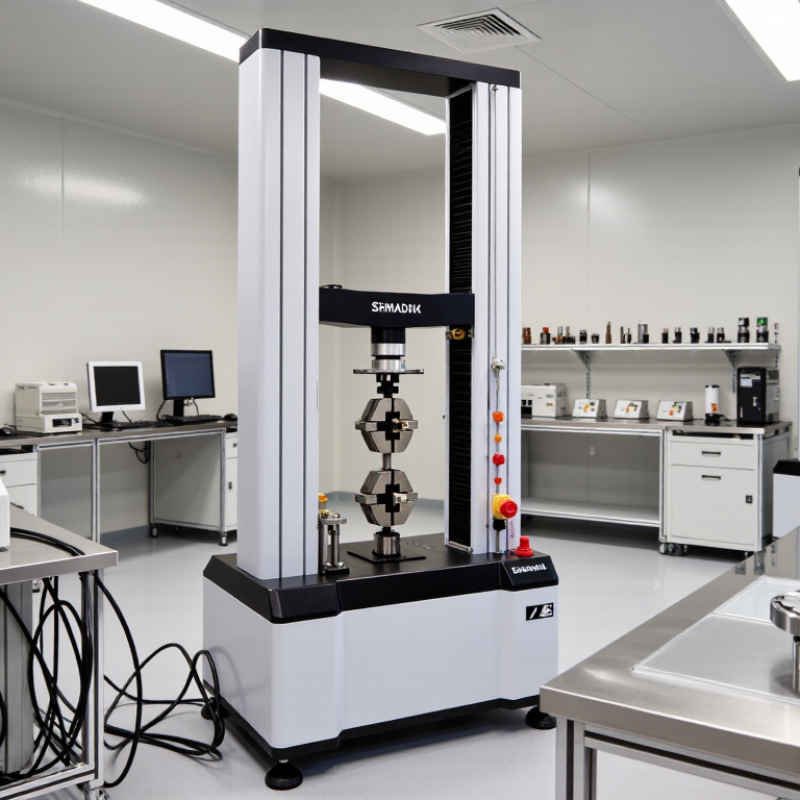
Shimadzu Universal Testing Machines: Scope and Classification
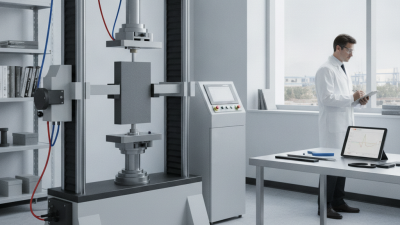
Universal testing machines cover more than tensile testing. They measure how materials respond to tension, compression, bending, and, with suitable fixtures, shear. A plastics lab might pull a narrow dog-bone specimen until it yields, while a packaging team compresses a carton between flat platens. The machine records force and displacement; an extensometer can measure strain more directly. Fixture choice matters. That detail is easy to overlook.
Classification usually starts with the drive system, force capacity, and test configuration. Electromechanical frames suit many routine tests and offer controlled, steady movement. Hydraulic systems are commonly selected when higher forces are needed. Capacity alone is a poor guide: grip range, crosshead travel, load-cell resolution, and available space can shape the choice just as much. Some systems support interchangeable fixtures, but switching setups may affect alignment and repeatability. A neat classification can mislead. In practice, the test method, specimen dimensions, and measurement range should be considered together, then checked against the relevant standard. Even a well-specified frame may not deliver useful data if its accessories do not match the specimen.
Leading Shimadzu Universal Testing Machine Models in 2026
For 2026, the leading universal testing machine models are best compared by workload, rather than by a simple ranking.
Compact electromechanical systems suit routine tensile, compression, and flexural tests on films, plastics, and small metal coupons. Floor-standing configurations offer more space for larger fixtures and longer specimens. Higher-capacity systems are better suited to demanding metal or structural tests.
Check force capacity, crosshead travel, and grip compatibility before comparing model specifications. A 10 kN frame may work well for packaging film, but it can be a poor match for thick steel samples.
Control software and accessories matter just as much as the frame.
Look for clear test setup, traceable data export, and compatibility with the extensometer or grips your procedures require. Ask how easily operators can switch fixtures and repeat a method.
Small details matter.
A system that meets the force requirement may still slow a lab if setup is awkward. Published specifications are useful, but they do not reveal every day-to-day inconvenience. This is not a perfect shortcut; test materials, operator skill, and future workload can change the best choice.
Compare configurations against actual specimens and test methods before selecting a model.
Key Specifications and Differences Among the Models
Universal testing machine models differ most in force capacity, frame stiffness, speed control, and extensometer options. Compact bench-top systems commonly serve low-force tests on films, fibers, and small plastic coupons; larger floor-standing frames handle metals, composites, and full-size specimens. Some configurations cover roughly 500 N to 600 kN, but the exact range depends on the load cell and frame. Check both rated capacity and the accuracy range: a large load cell may perform poorly when measuring tiny forces. Small details matter.
Crosshead speed also changes what a model can measure. Slow, stable movement helps capture initial modulus, while faster travel supports routine production testing. ASTM E4-24 sets a framework for force verification, and ISO 7500-1:2018 classifies the calibration of metallic-material testing machines. These references make verified force accuracy more useful than a headline capacity alone. For example, a 100 kN frame is not automatically the best choice for a 500 N polymer test. Compare load-cell range, extensometer gauge length, grip compatibility, and software-controlled test methods. A practical limitation remains: published specifications may not reveal performance with a particular fixture or specimen. Check the full test setup.
Typical Applications and Testing Configurations
Universal testing machines are used to measure tensile, compression, flexural, and peel properties across plastics, metals, textiles, and packaging.
A floor-standing frame suits higher-force metal coupons, while a compact bench unit can handle film, wire, and small molded parts. Select the force capacity around the expected test load, not just the strongest specimen. Oversized capacity can reduce useful measurement resolution.
Configuration matters as much as frame size. A tensile setup may use wedge grips for metal strips or pneumatic grips for thin films. Compression platens help assess foam, cartons, and molded components; a three-point bend fixture measures stiffness in plastic bars.
Extensometers capture strain more directly than crosshead movement, though their range and mounting method must match the specimen. Keep fixtures aligned. Misalignment can distort results. A temperature chamber is useful when materials behave differently in cold storage or warm service conditions.
For repeatable work, define specimen dimensions, loading speed, calibration checks, and data capture before testing. One practical limitation: changing fixtures takes time, and rushed setup can undermine an otherwise sound test. Teams should verify the method with representative samples, since real specimens rarely behave as neatly as examples in a manual.
How to Choose a Model for Your Testing Requirements
Choose a universal testing machine by the specimen, expected force, and failure mode—not by frame capacity alone. A machine sized far above the test load may sacrifice useful measurement resolution. One sized too tightly may reach its limit during an unexpected peak. For a 2 kN polymer test, for example, compare the usable range and accuracy of the load cell near that force, not just the machine’s maximum rating. Check grip compatibility, crosshead travel, test speed, and whether an extensometer is needed. Small details matter: a short travel range can prevent a full elongation test.
Verification requirements help narrow the choice. ISO 7500-1:2018 defines force-measuring classes; Class 0.5 permits a relative indication error of up to ±0.5%, while Class 1 permits up to ±1.0%. ASTM E4 also sets force-verification requirements for testing machines. These figures describe verification limits, not a guarantee that every test result will have the same uncertainty. Match the required class to the applicable material test method and your lab’s quality procedures. It is easy to over-specify accuracy on paper. In practice, worn grips, poor alignment, or an unsuitable load cell can undermine a capable frame. Check those conditions before comparing models.
Choosing a Universal Testing Machine by Force Capacity
These are common nominal force-capacity classes, not model specifications. Choose a capacity that covers the test’s expected maximum force, and select a suitably rated load cell for the measurement range.