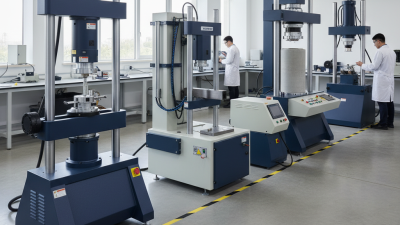
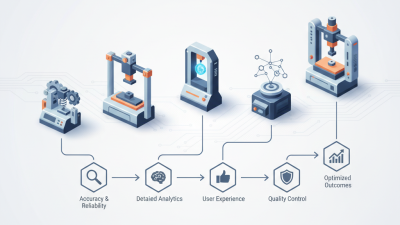
How to Choose the Right Universal Testing Machine for Your Needs?
Choosing the right universal testing machine can be a challenging task. Experts like Dr. Emily Chen, a renowned materials science specialist, emphasize that “selecting the right equipment is crucial for accurate results.” This statement reflects the importance of compatibility between the testing machine and your specific applications.
When selecting a universal testing machine, consider your materials and testing needs. Think about factors such as load capacity, accuracy, and versatility. Investing in a machine that meets your requirements is essential. You may find many options on the market. However, not all machines will deliver the quality and precision you need.
A thorough understanding of how a universal testing machine operates is vital. For instance, consider the types of tests you will conduct. Whether tensile, compression, or fatigue testing, the machine must suit those needs. Take time to evaluate the features and specifications before making a decision. It’s beneficial to consult with industry experts to ensure you’re on the right path.
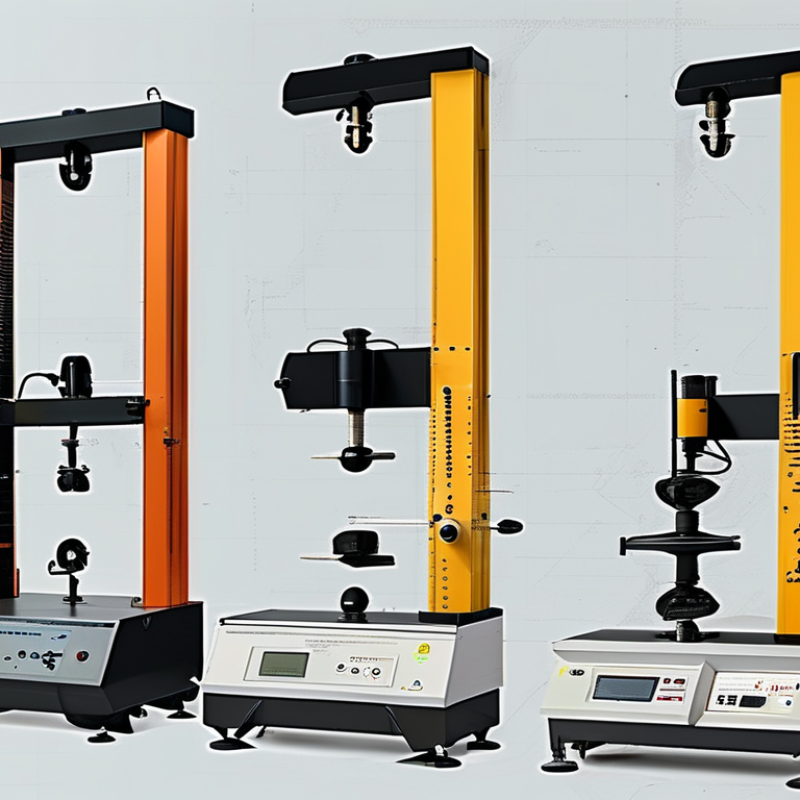
Understanding Universal Testing Machines: An Overview
Universal testing machines (UTMs) play a crucial role in material testing. These versatile devices can measure tensile strength, compressive strength, and more. Understanding their capabilities helps you select the right model for specific applications.
There are various types of UTMs available. Some are designed for small-scale tests, while others handle larger specimens. Don't overlook the size and capacity you need. Think about the materials you’ll test and their properties. It’s essential to match the machine's specifications to your requirements. Research is vital here. Many users make the mistake of choosing based solely on price, which can lead to unforeseen challenges.
Calibration and precision are key factors to consider when evaluating a UTM. Machines must be regularly calibrated to ensure accurate results. Some buyers may overlook this aspect, leading to unreliable data. It’s essential to prioritize machines that boast robust calibration processes. This not only builds trust in results but also enhances the reputation of your testing facility. Hence, evaluating potential failures can guide you towards making an informed decision.
Key Specifications to Consider When Choosing a Testing Machine
When selecting a universal testing machine, pay close attention to key specifications. Load capacity is crucial. Most machines range from 1 kN to 2000 kN. Choosing the right load capacity depends on the materials you test. For example, metals often require higher capacities than plastics.
Testing speed is another vital specification. Standard testing speeds fall between 0.001 to 1000 mm/min. Faster speeds can replicate real-life conditions for dynamic testing. However, accuracy may suffer if speeds are too high. A report by ASTM International emphasizes the importance of accurately determining the speed for each specific material and testing requirement.
Consider the control system as well. Digital systems allow for more precise monitoring and adjustments. They also enable data collection for analysis. Some models provide advanced software for test reporting. According to a study from TechSci Research, data-driven testing can significantly improve product quality. It is crucial to ensure that the control system aligns with your testing protocols. Each specification plays a role in achieving reliable results. Keep these factors in mind to avoid mismatches that could lead to inaccurate conclusions.
Assessing Your Material Testing Requirements
When selecting a universal testing machine (UTM), it's crucial to assess your material testing requirements. Various industries, including construction and aerospace, often rely on specific testing standards. According to the ASTM International, about 40% of material failures result from inadequate testing. Therefore, understanding your needs is essential for ensuring reliability in your testing outcomes.
Different materials require different approaches. For example, metals may need tensile testing, while polymers might require impact resistance evaluation. A study from the International Journal of Material Science highlights that proper selection of equipment can improve testing accuracy by up to 30%. It’s important to define the types of materials you will be testing. This leads to thoughtful consideration around capacity, load, and extensibility in your UTM choice.
Not every universal testing machine is one-size-fits-all. The variability in specimens and test methods can introduce uncertainty. A report by the Materials Research Society indicates that improper calibration can skew results, sometimes by more than 15%. A comprehensive understanding of your material’s mechanical properties will help in selecting the right equipment. Engaging with industry experts or utilizing material consultancy can provide clarity in this evolving landscape of material testing.
Budget Considerations for Universal Testing Machines
When selecting a universal testing machine (UTM), budgeting is crucial. Costs can vary widely based on features, capabilities, and specifications. A basic model may be sufficient for simple tensile tests, while advanced machines can perform multiple tests. It's essential to evaluate how often you'll use the machine. Occasional tests might justify a lower investment, but frequent use calls for a reliable machine.
One crucial aspect is maintenance costs. While a cheaper model may seem attractive, ongoing maintenance can outweigh initial savings. Ensure to factor in warranties and available support. A machine with a good service plan might save money in the long run. Some users overlook their specific testing requirements. This can lead to overspending on features that may never be utilized.
Consider future needs as well. Will your testing requirements grow? If yes, investing in a more advanced model now could save money down the line. It’s easy to focus solely on the initial purchase price, but long-term costs should also weigh heavily in your decision-making process.
Maintenance and Support Services for Testing Equipment
When selecting a universal testing machine, it's crucial to consider the maintenance and support services provided. Proper maintenance ensures that your equipment remains accurate and reliable. Regular servicing can prevent costly downtime and extend the lifespan of the machine. Speak to vendors about their maintenance schedules and support options.
Tips: Understand the warranty terms. Some manufacturers offer extended warranties that cover parts and labor, while others may charge extra. Evaluate what fits your budget. Consider local support services, as these can lead to quicker repairs and less disruption in your workflow. If you’re in a remote area, this could be a serious factor.
A machine, no matter how sophisticated, requires regular checks. Ask about training programs for your team. Knowledgeable staff can recognize early signs of wear and tear. Equipping your personnel with the right skills is as important as choosing the right machine. Always reflect on your team’s capability in managing the equipment you select.
Comparison of Maintenance and Support Costs for Universal Testing Machines