How to Choose the Best Material Testing Machine for Your Needs?
Choosing the right material testing machine is crucial for various industries. The right machine ensures accurate results and enhances productivity. With so many options available, making an informed choice can be challenging.
Material testing machines vary in design and function. Factors like testing capacity, precision, and ease of use must be considered. Each application demands specific features. For instance, a machine suited for tensile testing may not perform well for compression tests. This requires careful reflection on your needs.
Understand your requirements before investing. Experienced users often highlight the importance of durability and support. A reliable material testing machine should offer vendor support and user training. Balancing technical specifications with budget constraints is also essential. A thoughtful approach will lead to better decision-making in the long run.
Understanding Material Testing Machines: Types and Functions
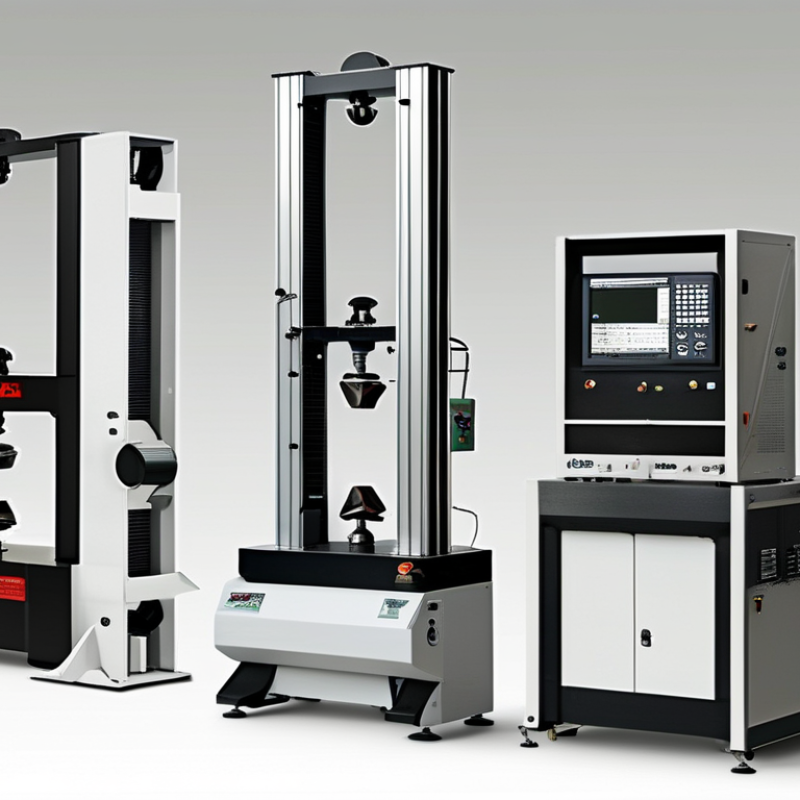
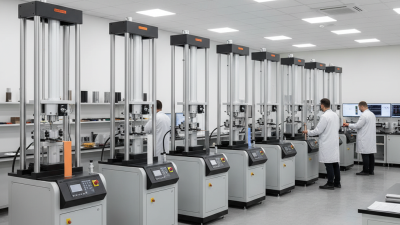
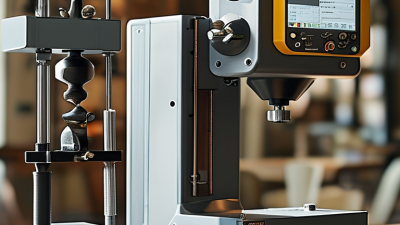
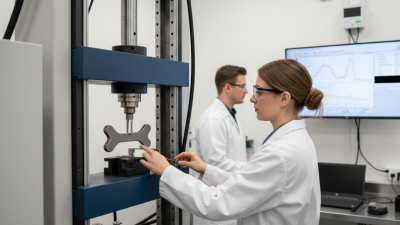
Material testing machines come in various types, each designed for specific functions. These machines are essential for evaluating material properties. Common types include tensile testing machines, compression testers, and hardness testers. Each machine measures different characteristics of materials. For instance, tensile testers assess how materials react to pulling forces, while hardness testers determine material hardness levels.
When selecting a material testing machine, consider your specific needs. Do you require versatile testing capabilities or specialized functions? Evaluating your goals will help you choose wisely. Additionally, check the machine's specifications thoroughly. Understand the range of materials it can test. This ensures you can rely on accurate results.
Tips: Always seek advice from experts in the field. Their insights can shed light on hidden challenges. Also, don’t ignore user reviews. These can reveal potential issues with machines. Remember, your choice should balance functionality and budget. Keeping these factors in mind can lead to better decisions in material testing.
Key Factors to Consider When Selecting a Material Testing Machine
Choosing the right material testing machine can be challenging. There are several key factors to consider. The type of material you intend to test is crucial. The requirements for tensile testing differ significantly from those for compression or impact testing. Understanding your specific needs will guide your selection process.
You also need to evaluate the machine’s load capacity and accuracy. According to industry reports, machines with a load capacity of 100 kN are common for most applications. However, some materials may require higher capacities. Accuracy is vital; a recent study indicates that even a small discrepancy in measurement can lead to flawed results.
Another factor is the machine’s operating environment. Some setups may need to withstand extreme temperatures or humidity. Consider whether the machine can operate in your specific environment. User-friendliness is also essential. A complicated interface could hinder operator efficiency. The goal is to avoid frustration in daily use and ensure reliable testing outcomes. Balancing these elements requires careful thought and sometimes, accepting that there might not be a perfect machine for every requirement.
Evaluating Material Testing Machine Specifications and Features
When choosing a material testing machine, specifications and features are vital. They dictate the machine's capabilities and its suitability for specific tests. Focus on load capacity, accuracy, and materials it tests. For instance, machines vary in their ability to perform tensile, compression, and shear tests. Knowing your testing needs helps narrow down your options effectively.
Tips: Always assess how user-friendly the interface is. A machine that is difficult to operate can lead to errors and inefficiency. Also, consider its data analysis capabilities. Some machines can offer advanced analytics, while others provide basic reporting. It's essential to match the machine's features with your technical expertise.
Not every feature may be necessary for your work. Reflect on which specifications align with your standards. For example, advanced load cells provide precision but may not be essential for basic testing. Balancing technology with practicality ensures you invest wisely. Make sure you document your testing requirements clearly before making a decision.
Assessing Budget and Cost-Effectiveness for Material Testing Machines
When choosing a material testing machine, budget considerations play a crucial role. The initial investment can vary widely, influencing the overall cost-effectiveness. While low-cost machines may seem attractive, they often compromise on features or reliability. It’s essential to evaluate the long-term value a machine provides. Sometimes, spending more upfront means fewer repairs and better results later.
Consider the types of materials you'll be testing. Not all machines accommodate diverse specimens. Specialized machines often come with higher price tags. Reflect on the specific tests you'll conduct. A versatile machine may save money over time. It’s also valuable to factor in operating costs, including maintenance and energy consumption. Calculating these can guide your decision.
Lastly, remember that price is not the sole indicator of quality. A higher price does not guarantee better performance. Research user reviews and industry standards. Engaging with professionals in your field can offer insights into the best choices. Ultimately, balancing your needs and financial capabilities is key to making a wise investment in material testing machinery.
Maintenance and Support for Material Testing Equipment Choices
When selecting a material testing machine,
maintenance and support are crucial factors.
Regular maintenance ensures accurate results and extends the lifespan of the equipment.
A study by the American Society for Testing and Materials (ASTM)
indicates that regular maintenance can reduce equipment failure by up to 30%.
However, many facilities overlook this critical aspect.
They may prioritize initial costs over long-term support, leading to unforeseen expenses later.
Comprehensive support services can help mitigate these risks.
Technical assistance and prompt service turnaround can minimize downtime.
A report from the International Society for Automation states that one week of downtime can cost a lab upwards of $20,000.
Investing in maintenance contracts can significantly decrease costs in the long run.
It ensures that your equipment remains calibrated and compliant with industry standards.
Choosing a machine with an established support network is vital.
Reliable service enables quick resolutions to issues that may arise.
However, be wary of companies that overpromise without a track record of reliability.
Understanding the nuances of maintenance and support can lead to better decision-making,
ultimately impacting the quality of your testing outcomes.