2026 Top Concrete Compression Machine Suppliers?
Choosing a concrete compression machine is a decision about dependable results, not just maximum load. In 2026, suppliers differ in frame stiffness, control systems, calibration support, and the service they provide after installation. A polished brochure cannot reveal how smoothly a platen moves or how quickly a technician responds. Those details matter in a busy laboratory.
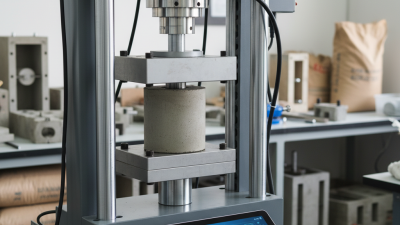
A concrete compression machine should apply force steadily and display results clearly. Buyers should compare capacity, testing accuracy, operating controls, safety features, and compatibility with their specimen sizes. Ask suppliers for calibration documentation, installation guidance, spare-parts availability, and practical training. If possible, watch a machine test a concrete cylinder. Notice vibration, display readability, and how easily operators position the specimen. Small details can shape daily work.
A useful buying principle is: “Repeatable results depend on the whole testing process, not the press alone.” This is an editorially drafted line, not a verified quotation. No source was provided to confirm a named expert’s words, so attributing it would risk misleading readers. Insert a sourced quotation from a qualified concrete-testing specialist before publication. This guide compares leading supplier considerations, while recognizing that no single machine suits every laboratory. The right choice depends on workload, local service access, and the records your quality system requires. Even a strong shortlist deserves a second look.
What Is a Concrete Compression Testing Machine?
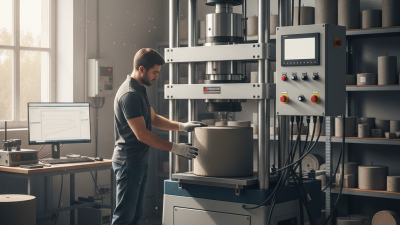
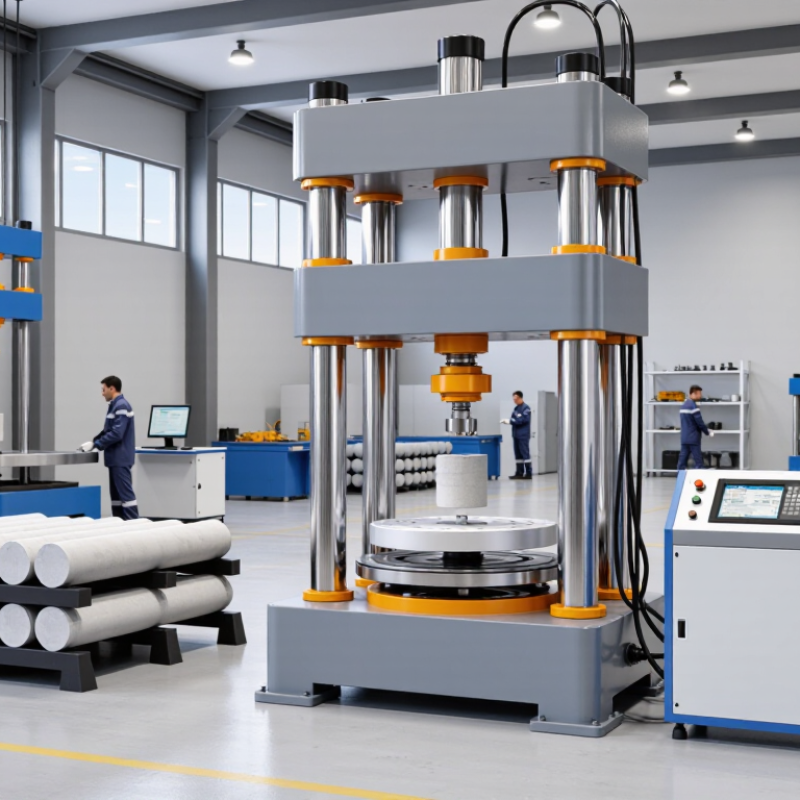
A concrete compression testing machine measures how much compressive force a hardened concrete specimen can withstand before failure. A hydraulic system applies a steadily increasing load between two steel platens, while the machine records the peak force. Operators divide that force by the specimen’s loaded area to calculate compressive strength. The result helps assess mix performance and quality control; it does not, by itself, prove that an entire structure is safe.
The National Ready Mixed Concrete Association’s CIP 9 guidance describes a strength test as the average result from two 6-by-12-inch cylinders or three 4-by-8-inch cylinders, commonly tested at 28 days. ASTM C39/C39M sets out the cylinder compression test method. These details make specimen preparation, curing, alignment, and loading procedure critical. A cylinder with a chipped end or poor centering can distort the result. In practice, even trained teams can overlook small setup errors.
Tips: Check platen cleanliness, verify machine calibration, and center each specimen before loading. Record curing conditions and unusual failures; the number alone can hide a problem.
Which Features and Specifications Matter Most?
When comparing 2026 concrete compression machine suppliers, focus on measurement quality, capacity, and day-to-day usability—not peak load alone.
ASTM E4-21 sets a force-indication accuracy tolerance of ±1% for verified testing machines. Ask for a current calibration certificate showing the verified force range; accuracy outside that range should not be assumed.
ASTM C39/C39M also defines cylinder-testing procedures, so check that the frame, bearing blocks, and loading controls suit the specimen sizes your lab actually tests.
Choose capacity for your strongest expected specimens, with sensible headroom, rather than buying the largest frame available. A steady loading rate matters. So does a spherical-seated upper platen, which helps accommodate minor specimen misalignment. Look for clear force readings, overload protection, accessible emergency stops, and software that exports test results without manual re-entry.
Small details count.
A stiff frame and smooth hydraulic control can reduce interruptions, though neither can fix poorly prepared concrete ends.
Ask suppliers to demonstrate calibration traceability, service response times, and replacement-part availability. Compare platen dimensions and daylight against your molds and sample-handling setup. Review maintenance requirements, too; hydraulic leaks are not a theoretical concern in busy labs.
ASTM E4 verification supports confidence in force readings, but it does not guarantee good sampling or careful testing.
That distinction is easy to overlook.
Which Suppliers Stand Out in the 2026 Market?
Suppliers that stand out in 2026 offer more than a high-capacity frame. Look for clear calibration records, stable loading, suitable platens, and responsive technical support. In a busy materials lab, small details matter: a centered cylinder, clean bearing surfaces, and a readable force curve. A polished brochure is not proof of consistent results.
ASTM C39/C39M reports a 2.9% within-laboratory coefficient of variation and 5.0% between-laboratory variation for testing 150-by-300-millimeter cylinders. These figures are precision estimates, not guarantees for every machine or operator. ISO 7500-1:2018 also defines verification classes for force-measuring systems; Class 1 allows an indication error of ±1%. Buyers should ask suppliers for recent verification evidence and confirm the proposed machine suits their specimen sizes and expected loads.
Service quality separates capable suppliers from merely capable-looking ones. Ask how quickly technicians respond, whether parts are available, and how software records test results. Request a demonstration using your own workflow. Watch the operator align a cylinder and apply load. Details show. One caveat: the lowest quoted price can hide costly downtime. Yet specifications alone cannot predict support quality, and I would treat any unverified performance claim cautiously.
What Should Buyers Check Before Placing an Order?
Before ordering a concrete compression machine, match its capacity to the strengths and specimen sizes you actually test. A 2,000 kN frame may sound reassuring, but an oversized range can make routine readings less useful. Check platen diameter, daylight clearance, piston travel, and whether the machine accepts both 6-by-12-inch and 4-by-8-inch cylinders. NRMCA’s CIP 35 guidance bases a strength test on the average of at least two 6-by-12-inch cylinders, or three 4-by-8-inch cylinders. Confirm the frame can handle your lab’s workload without awkward specimen changes.
Ask for current calibration records and details of the force-measuring system, not just a “high accuracy” claim. ASTM C39/C39M specifies a loading rate of 0.25 ± 0.05 MPa per second during the latter part of a test. Can the controller maintain that rate smoothly? Ask the supplier to demonstrate it using a sample test, and inspect alignment, guards, emergency stops, and the readability of the display. Small details matter. Check installation, operator training, service response times, and spare-part availability in writing. The quote may omit these. That is easy to miss. Request references from laboratories with similar specimen sizes and testing volume, then ask what failed or needed adjustment after delivery. A polished brochure cannot answer that for you.