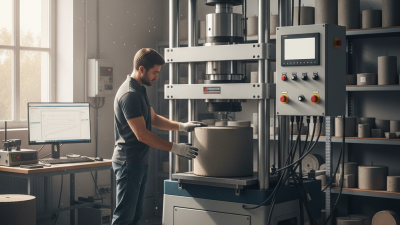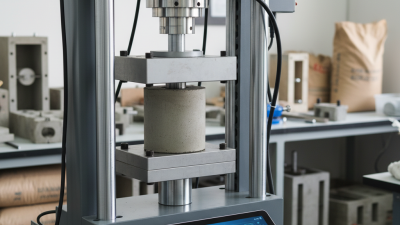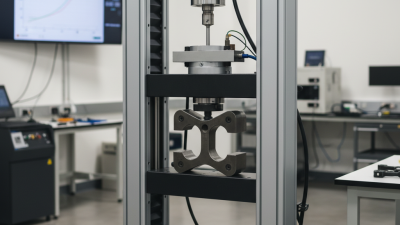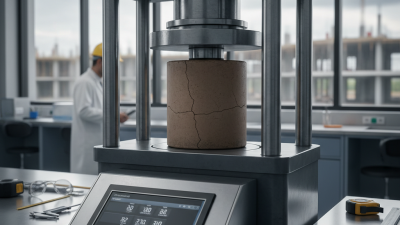

Choosing a concrete compression machine requires more than comparing maximum load, price, or frame size. Concrete remains the world’s most widely used construction material, with roughly 14 billion cubic metres produced annually, according to the Global Cement and Concrete Association’s Concrete Future Roadmap. That volume makes dependable strength testing essential. A machine must apply force smoothly, record results accurately, and withstand repeated laboratory use.
ASTM C39/C39M defines the standard method for determining the compressive strength of cylindrical concrete specimens. It also highlights the importance of loading rate, specimen alignment, bearing surfaces, and calibration. These details can change the final result. A powerful machine is not automatically a reliable one. Check its load capacity, platen dimensions, control system, data output, calibration documentation, and service support. Consider your actual cylinder size and testing frequency. Oversizing can increase cost without improving accuracy.
As concrete expert A.M. Neville wrote in Properties of Concrete, “The compressive strength of concrete is the most commonly measured property.” His observation remains practical today. The test result influences mix approval, quality control, and structural decisions. However, this introduction cannot replace project-specific standards or laboratory judgment. Even a modern concrete compression machine may produce misleading data if technicians ignore capping, alignment, or curing conditions. Small errors matter. The best choice balances compliance, repeatability, operator safety, and long-term maintenance. ASTM requirements provide a strong starting point, while ACI 318 and EN 12390-3 may add regional expectations. Verify every specification before purchase.
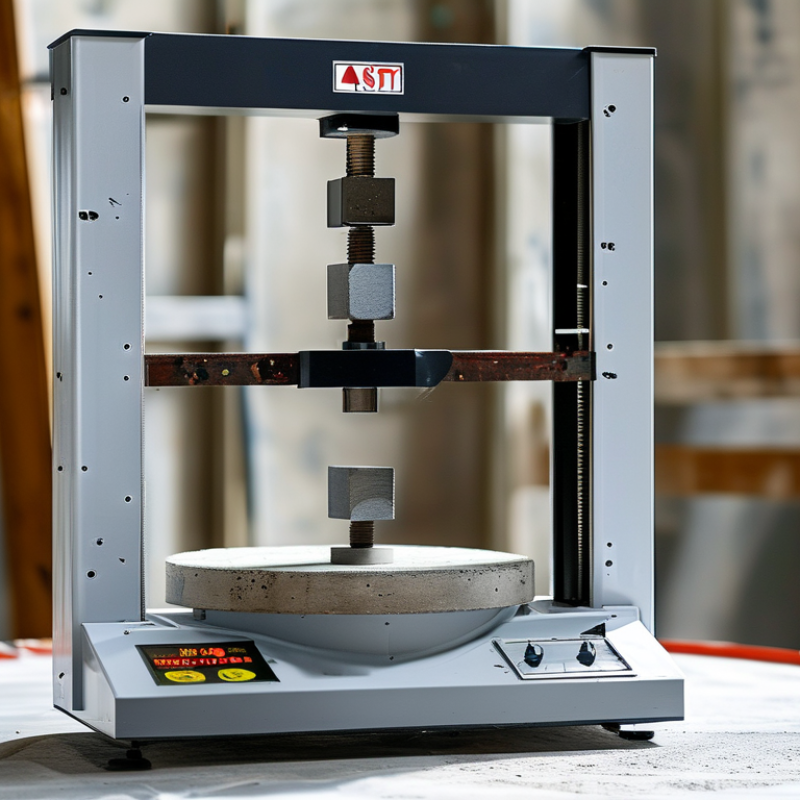
Define the purpose before comparing machines. Are you testing cubes, cylinders, or concrete cores? Each specimen requires suitable platens, clearance, and loading capacity. A machine for routine site checks may need a different setup from one used for certified laboratory testing. Identify the required test standard, specimen size, maximum expected load, and loading rate. These details determine the frame strength and control system.
Testing accuracy matters more than impressive capacity. Choose a machine with a load range that matches your samples. Excess capacity can reduce measurement sensitivity. Check calibration certificates, force accuracy, platen alignment, and data recording functions. The operator should be able to control loading smoothly and stop safely after failure. A visible crack pattern, crushed edge, or sudden load drop can reveal testing problems. Still, visual judgment alone is not enough. A practical mistake is assuming a powerful frame guarantees reliable results.
Tips:
Write a testing checklist before requesting quotations. Include specimen dimensions, standard requirements, loading speed, room conditions, and reporting needs. Ask how calibration is verified and how often service is performed. Confirm that replacement seals, sensors, and software support are available locally. Keep enough space around the machine for safe specimen handling. Do not ignore operator training. Even a well-built machine can produce poor data when setup is inconsistent. Reconsider the specification after early trials; real samples may behave differently from expected.
How to Choose a Concrete Compression Machine?
Compare Machine Types, Capacity, and Compression Force
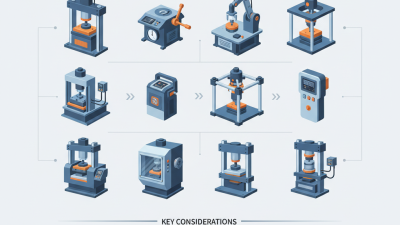
Choosing a concrete compression machine starts with the testing method, not the largest number on the specification sheet. Hydraulic machines suit routine cube and cylinder testing because they deliver steady, high force. Mechanical systems can work well for smaller loads and controlled laboratory studies. Servo-controlled machines offer precise loading rates, data recording, and repeatable results, but they usually require more training and maintenance.
Capacity must match the specimen size and expected strength. Calculate the specimen’s loaded area, then estimate the required force from the target compressive stress. A 150 mm concrete cube has a loaded area of 22,500 square millimetres. The selected machine should exceed the calculated force without operating continuously at its limit. Excess capacity is not automatically better. It may reduce measurement sensitivity at lower loads. Check platen size, frame clearance, alignment, and calibration certificates. These details often influence accuracy more than appearance.
Tips: Inspect the platens before each test. Remove debris, centre the specimen carefully, and confirm the loading rate. Keep records of calibration, maintenance, specimen age, and failure patterns. A sudden diagonal crack may indicate uneven loading, not only weak concrete. Test standards provide essential guidance, yet site conditions can expose practical problems that manuals overlook. A machine can be technically suitable and still perform poorly if operators skip alignment checks. That is worth questioning.
Accuracy should guide the purchase, not only maximum load. In practice, a machine may display precise numbers while its load cell needs calibration. Ask for calibration records, verification results, and repeatability data. Check platen alignment carefully. Uneven loading can produce misleading strength values and damaged specimens. The frame should remain stable during loading, without unusual vibration or drifting readings.
Standards matter. Confirm that the machine supports the testing method required by your laboratory and local regulations. Common references include ASTM C39, EN 12390-4, and ISO 7500-1, but the current edition should be verified. The supplier should explain how the machine meets each relevant requirement. Accreditation documents and traceable calibration certificates add confidence. Still, paperwork alone is not proof of daily performance.
Safety features deserve close inspection. Choose a guarded test area, a strong fragment shield, an emergency stop, and overload protection. A door interlock can prevent loading while the chamber remains open. Inspect hydraulic lines for leaks and check whether controls are easy to reach. Operators need clear procedures, suitable eye protection, and practical training. Concrete can fail suddenly. I once underestimated how far fragments could travel during a high-load test. That memory changed my view of “adequate” protection. Some machines also offer automatic loading, but automation does not remove the need for supervision. A quiet machine is not automatically a safe machine.
Choosing a concrete compression machine starts with the specimen, not the advertised capacity. Confirm whether your laboratory tests 150 mm cubes, 100 × 200 mm cylinders, or smaller cores. A 150 mm cube has a loaded area of 22,500 mm², so a 60 MPa result produces about 1,350 kN of force. Add a sensible capacity margin for variation, eccentric loading, and future testing. Capacity alone is not enough.
Controls determine whether results are repeatable. ASTM C39/C39M specifies a cylinder loading rate of 0.25 ± 0.05 MPa/s. The machine should therefore provide stable closed-loop control, not merely a fast hydraulic pump. EN 12390-4 also uses Class 1 accuracy for compression-testing equipment. Ask for calibration records, force verification intervals, and data-export options. A clear display helps, but automatic rate control matters more. Small details matter.
Ease of operation is visible at the test bench. Look inside the frame. Can one operator center a heavy specimen safely? Are platens adjustable without awkward tools? Does the software record peak load, specimen dimensions, and failure mode? In practical lab reviews, poor alignment often creates more trouble than limited software. I have seen operators trust an automatic cycle while a chipped specimen sat off-center. That assumption needs challenging. Choose guarded access, simple controls, and an emergency stop that is easy to reach. A useful machine reduces handling errors without hiding them. Sources: ASTM C39/C39M and EN 12390-4.
| Machine Category | Typical Capacity Range | Suitable Concrete Specimens | Common Specimen Dimensions | Control Method | Typical Loading Rate Capability | Ease-of-Operation Features | Best Use |
|---|---|---|---|---|---|---|---|
| Laboratory bench-top unit | 300–600 kN | Small concrete cubes and cylinders | 100 mm or 150 mm cubes; 100 mm diameter × 200 mm cylinders | Manual or semi-automatic hydraulic control | Approximately 0.2–1.0 MPa/s, depending on the specimen and test standard | Simple control panel, analog or digital load display, basic peak-load recording | Routine quality-control testing where specimen sizes and throughput are limited |
| Standard laboratory compression machine | 1,000–2,000 kN | Most standard concrete cubes and cylinders | 150 mm cubes; 150 mm diameter × 300 mm cylinders; 100 mm diameter × 200 mm cylinders | Automatic or closed-loop load-rate control | Typically adjustable from about 0.2–1.0 MPa/s for concrete testing | Programmable test cycles, automatic load-rate adjustment, peak-load capture, digital reporting | General construction laboratories and commercial testing facilities |
| High-capacity laboratory unit | 2,000–3,000 kN | Large cubes, cylinders, cores, and high-strength concrete specimens | 200 mm cubes; 150 mm diameter × 300 mm cylinders; larger cores with suitable platens | Closed-loop servo-hydraulic control | Adjustable force or stress-rate control with continuous feedback | Touchscreen interface, automatic platen positioning, data export, overload protection | High-strength concrete, structural research, and laboratories testing several specimen types |
| Heavy-duty structural testing frame | 3,000–5,000 kN or higher | Large concrete cylinders, cubes, prisms, cores, and structural components | 300 mm cubes; 150–300 mm diameter cylinders; beams and custom specimens with suitable fixtures | Advanced servo-hydraulic control | Wide programmable range for force, displacement, or strain-controlled testing | Interchangeable platens, remote operation, multi-channel data acquisition, safety enclosure | Research, large structural specimens, and specialized high-load testing |
| Portable or site-oriented compression unit | 300–1,000 kN | Standard cubes, cylinders, and selected core specimens | 100–150 mm cubes; 100–150 mm diameter cylinders, subject to frame clearance | Manual hydraulic pump or compact digital controller | Usually manually regulated; the operator must maintain the specified loading rate | Compact frame, integrated display, simple setup, battery or single-phase power options | Field verification and locations where laboratory space or power is limited |
| Recommended selection for routine testing | 1,000–2,000 kN | 150 mm cubes and 150 mm diameter × 300 mm cylinders | Choose platens and daylight clearance for the largest planned specimen | Automatic closed-loop control preferred | Must maintain the loading rate required by the applicable test method | Digital results, automatic peak-load recording, clear status indicators, and emergency stop | A balanced option for accuracy, flexibility, operating efficiency, and future testing needs |
A concrete compression machine should be judged beyond its purchase price. Maintenance needs directly affect testing accuracy and laboratory productivity. Check the required calibration interval, hydraulic oil schedule, seal replacement process, and platen inspection procedure. Ask whether technicians can complete routine servicing safely. A machine with complicated access may increase labor costs and downtime. Small details matter.
Warranty terms deserve careful reading. Confirm coverage for the frame, pump, load cell, electronics, and workmanship. Check whether calibration support is included or charged separately. Review response times, spare-part availability, and service conditions. A long warranty sounds reassuring, but exclusions can make it less useful. Request written terms, not verbal promises. Some estimates still miss shipping delays.
Tips: Calculate total cost over five years. Include installation, operator training, calibration, electricity, oil, replacement seals, software updates, and possible downtime. Compare service costs with expected test volume. A cheaper machine may cost more when repairs interrupt scheduled projects. Keep maintenance records with dates, readings, and replaced parts. These records support reliable results and may protect warranty claims. If the supplier cannot explain routine maintenance clearly, pause before purchasing.