


Material Testing Blog

HomeMaterial Testing Blog

Why Choose Glass Decor Films for Your Business?

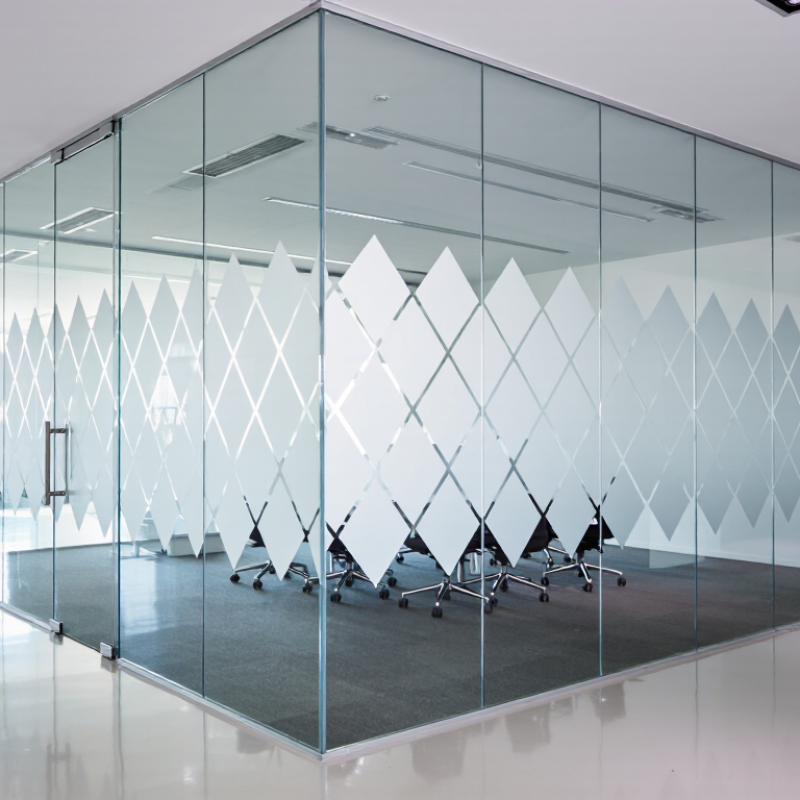
Glass Decor Films can turn plain glazing into a practical design feature. They add privacy, soften harsh daylight, and bring texture to a reception area or meeting room. Frosted bands can screen eye-level views while keeping a corridor bright. A subtle geometric pattern can also give a glass partition a clearer visual presence.

The right choice depends on how a space is used. A busy storefront may need a durable finish that is easy to clean. A conference room may benefit from measured privacy rather than a fully covered window. As an illustrative, fictional industry voice, commercial glazing consultant Elena Morris puts it: “A good film should solve a real problem without making the glass feel like an afterthought.” This is an original draft quote, not a verified quotation.

Small details matter. Before selecting a design, consider light levels, sightlines, cleaning routines, and the look of the surrounding finishes. Ask for a sample, then view it in the actual space; colors and patterns can appear different under cool office lighting. Installation quality matters, too. Dust, uneven edges, or poor alignment can undermine an otherwise thoughtful design. Glass Decor Films are not a cure-all, and some spaces may need other privacy or shading solutions. A careful comparison helps businesses choose a film that supports daily use, reflects their brand, and still feels right after the initial impression fades.
Why Choose Glass Decor Films for Your Business?

What Glass Decorative Films Are and How They Work

Glass decorative film is a thin, flexible layer fitted directly to a glass surface. Depending on its finish, it can create a frosted, patterned, tinted, or subtly colored look. Many films use a pressure-sensitive adhesive to stay in place. During installation, the glass is cleaned, the film is cut to size, and a squeegee helps smooth out trapped air and application fluid. The result can resemble etched glass without replacing the pane.

In a business, decorative film can soften views into meeting rooms while still letting daylight pass through. It may also help define spaces, add visual interest, or reduce glare, depending on the film’s properties. Privacy is not guaranteed at every angle or under every lighting condition; a bright room behind the glass may still be visible at night. That distinction matters. Film is a surface treatment, not a substitute for suitable glazing or a remedy for damaged glass. Installation quality and careful product selection affect the final appearance.

Tips: Clean the glass thoroughly before fitting film, and test a small sample in the actual room. Check how it looks in daylight and after dark. Leave enough time for the film to settle, following the supplier’s care instructions. Small bubbles can be frustrating, and some may need professional attention.

Types, Finishes, and Customization Options

Glass decor films let businesses adjust privacy, light, and visual identity without replacing existing panes. Frosted films soften meeting-room views; gradient films preserve sightlines near eye level. Etched-look and printed films suit reception areas, partitions, and wayfinding. Matte finishes diffuse reflections, while gloss or metallic finishes create sharper accents. Choose opacity by room use, not appearance alone. Retail fronts often need visibility; consultation rooms may need fuller screening. The International Window Film Association’s technical guidance says some window films block up to 99% of UV radiation. That figure applies to specified products and test conditions, not every decorative film.

Small detail, big effect.

Customization can include color, pattern scale, logo placement, and cut-out areas for handles or door signs. Printed motifs can be scaled to repeat across glass panels, though alignment may be tricky when panes differ slightly. Ask for a sample on the actual glass. Check it in morning and afternoon light, since a finish can look quite different after glare shifts. Also confirm whether the selected film is decorative only or offers tested solar-control performance. One easy mistake is choosing a striking finish before checking visibility from both sides. I would leave a clear viewing strip where staff need to monitor entrances.

Business Benefits: Privacy, Branding, and Light Control

Glass decor films give businesses a practical way to add privacy without building a solid wall. Frosted bands can obscure eye-level views in meeting rooms while keeping spaces visually connected. Printed patterns can also carry a company’s colors or wayfinding cues. Keep the design restrained: too much coverage can make a shared office feel closed in.

Light control matters, too. A translucent film can soften direct sun and reduce distracting glare on screens, while still allowing some daylight through.

The International Energy Agency’s 2023 Global Status Report states that buildings and construction accounted for 34% of global energy demand in 2022. That figure is not a promise that film alone will cut a particular office’s energy use; performance depends on the glazing, film, and room orientation. Small details matter.

One limitation deserves attention: films that provide daytime privacy may not hide interiors after dark, when lights are on. Review samples in the actual space at different times, and check product specifications for visible-light transmission and glare performance. A slightly imperfect test installation can reveal problems before a full rollout.

Common Applications in Commercial Spaces

Why Choose Glass Decor Films for Your Business?
Common Applications in Commercial Spaces

Glass decor films help businesses shape visibility without replacing existing glass. In offices, frosted bands on meeting-room doors soften views while keeping daylight in the room. Clear sections can remain at eye level, helping people notice movement outside. Small details matter: a film that sits too low may block useful sightlines.

Retail spaces use decorative films to mark fitting rooms, staff areas, or glass partitions near checkout counters. Subtle patterns can add separation without making a compact store feel closed in. On street-facing windows, films can also create a clean backdrop for displays. Measure carefully; patterned film can look uneven when it meets a window frame.

Clinics, salons, and hospitality venues often apply films to reception screens, treatment-room glazing, or shower partitions. These applications can improve visual privacy, but they do not replace sound insulation or secure partitions. Surface condition, cleaning products, and installation quality affect the finished result. Edges may lift if glass is poorly prepared. Test a sample in the actual lighting first; reflections can change its appearance.

Why Choose Glass Decor Films for Your Business?

Common applications in commercial spaces, compared by their typical need for visual privacy.

Privacy ratings are qualitative illustrations on a 1–5 scale, not measured market data. Actual privacy depends on film design, lighting, and viewing angle.

How to Select, Install, and Maintain Glass Decor Films

When choosing a glass decor film, start with the room’s purpose. A meeting room may need privacy, while a shopfront may need softened light without hiding displays. Check the film’s light transmission and confirm it suits the glass type. Tinted or coated panes can behave differently in heat, so ask a qualified installer to check compatibility. Small details matter. Bring a sample to the site and view it in morning and afternoon light; colors can shift noticeably.

For installation, clean the glass thoroughly and remove dust from the edges. Even a tiny speck can leave a visible bump beneath the film. Apply the film in manageable sections, using a spray solution and a soft squeegee to push water outward. Keep the room reasonably clean and avoid installing in very cold or hot conditions. Large panes, curved glass, and busy entrances are harder to handle evenly. Some panes aren’t suitable. A test fit can prevent wasted material.

After installation, follow the film maker’s care instructions and allow the recommended curing time before cleaning. Use a soft microfiber cloth and mild soapy water; avoid abrasive pads, sharp blades, and harsh cleaners that may scratch or lift the edges. Inspect corners and seams every few months, especially near doors where hands and bags often brush the glass. If an edge starts peeling, don’t pull at it; have the installer assess the cause before repairing it.

Why Choose Glass Decor Films for Your Business? — How to Select, Install, and Maintain Glass Decor Films
Film Type Typical Business Use Privacy and Light Selection Checks Installation Considerations Routine Maintenance
Frosted or etched-look Office partitions, meeting rooms, reception areas, and interior glass doors Diffuses views and daylight; privacy depends on the film’s coverage and pattern Check opacity, pattern scale, desired privacy, and whether the design should align across multiple panes Clean the glass thoroughly; apply using the installation method specified for the film and glass type. Allow the recommended curing time before cleaning Use a soft cloth or clean squeegee with mild soapy water; avoid abrasive pads and sharp tools
Printed or patterned Brand-neutral wayfinding, decorative partitions, storefront accents, and interior feature glass Varies with printed coverage, color, and pattern density; samples help assess visibility and daylight Review the artwork at actual viewing distance and confirm dimensions, repeat patterns, and alignment requirements Confirm the correct face and orientation before application; large designs may require careful panel-by-panel alignment Clean gently and avoid scraping printed areas; follow the film supplier’s care instructions
Gradient or banded Glass meeting-room walls, doors, and partitions where partial screening is preferred Leaves some areas clearer while adding screening in selected zones; results depend on band height and spacing Set band positions with users’ seated and standing sightlines in mind; check applicable building and accessibility requirements Mark consistent heights across adjoining panes and verify alignment before the film is applied Use non-abrasive cleaning materials; inspect edges and high-contact areas periodically
Colored or opaque decorative Feature panels, back-of-house screening, and interior design accents Light transmission ranges from partial to very low depending on the film; opaque finishes block views where covered Compare physical samples under the space’s lighting and check color appearance against nearby finishes Confirm whether the product is intended for interior or exterior application and for the specific glass surface Clean with mild solutions and a soft cloth; avoid solvents unless the film instructions explicitly allow them
Custom-cut shapes or logos Glass doors, reception glazing, and directional or decorative graphics Privacy and light control depend on the size, spacing, and coverage of the cut elements Check artwork scale, cut-line accuracy, viewing distance, and local requirements for glass visibility markings Use a clean, dry surface and a placement guide; inspect spacing and alignment before removing the application liner Clean carefully around cut edges and check for lifting, especially in areas exposed to frequent touching
Decorative film with a safety function Glazing where a decorative appearance and an added glass-retention function are both required Appearance and light transmission vary by product; performance depends on the complete tested system Verify documented performance for the exact film, glass type, installation method, and applicable building requirements Use a qualified installer where required; decorative film alone should not be assumed to make glazing compliant or impact-resistant Follow the product-specific cleaning and inspection guidance; replace or repair damaged film as advised

Selection and care guidance is general. Film performance, installation methods, curing times, and permitted cleaning products vary by product and glass type; check the manufacturer’s instructions and applicable local requirements.

Go to Top