How to Use a Universal Tensile Machine for Material Testing in 2026?
In 2026, the universal tensile machine continues to play a vital role in material testing. This essential tool measures tensile strength, elongation, and other material properties accurately. According to a report by MarketsandMarkets, the global materials testing market is projected to reach $5.7 billion by 2026, driven by increasing demand for advanced materials across various industries.
The universal tensile machine provides precise and repeatable results. However, the operator's skill significantly impacts the testing process. Insufficient training can lead to inaccurate results, which may compromise product quality. Industry experts emphasize the importance of regular calibration and maintenance of these machines to ensure reliability. Yet, challenges still exist in achieving optimal conditions for testing.
Furthermore, integrating new technologies, such as AI and data analytics, can enhance the capabilities of universal tensile machines. Yet, adapting to these changes can be daunting. Companies might struggle to keep up with rapid advancements while maintaining their existing equipment. Balancing innovation with reliability is crucial for success in material testing.

Understanding the Basics of Universal Tensile Machines for Material Testing
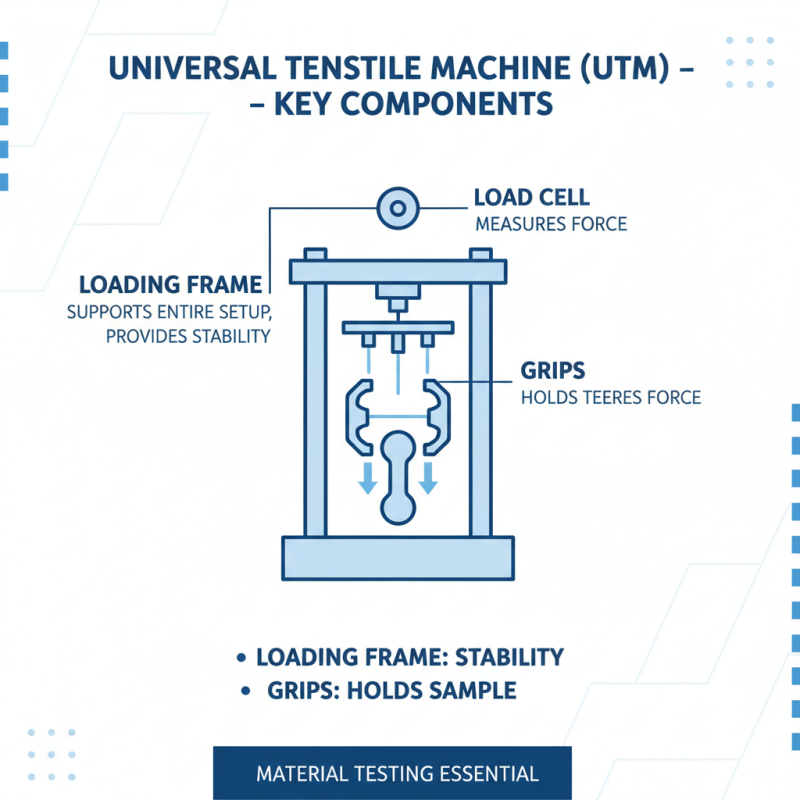
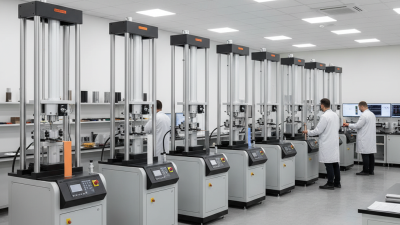
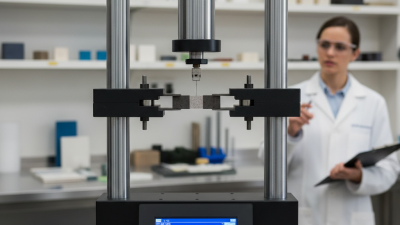
Universal tensile machines are essential for material testing. These machines assess the strength and ductility of materials. They operate by applying tension until a sample breaks. Key components include a load cell and grips. The load cell measures the force applied. Grips hold the specimen securely in place. Proper setup is critical for accurate results.
Understanding settings can be challenging. Calibration is necessary for precise measurements. Each material may require different parameters. The speed of testing affects the outcome. It's vital to select the right testing speed. Observing the specimen behavior is also important. This often reveals unexpected failures or characteristics.
Interpreting data demands attention. Graphs illustrate stress and strain relationships. Anomalies in the results can indicate underlying issues. It's not uncommon to find discrepancies. These may stem from material defects or equipment errors. Regular maintenance of the machine can prevent inaccuracies. Embracing these challenges leads to improved testing practices.
How to Use a Universal Tensile Machine for Material Testing in 2026?
| Material Type |
Yield Strength (MPa) |
Tensile Strength (MPa) |
Elongation (%) |
Modulus of Elasticity (GPa) |
| Aluminum Alloy |
250 |
310 |
12 |
70 |
| Mild Steel |
250 |
400 |
20 |
210 |
| Stainless Steel |
200 |
510 |
40 |
200 |
| Titanium |
900 |
950 |
15 |
110 |
| Copper |
210 |
210 |
50 |
110 |
Step-by-Step Procedure for Operating a Universal Tensile Machine
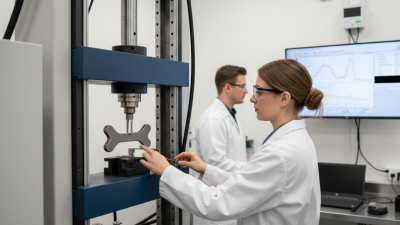
Operating a Universal Tensile Machine requires precision and attention. Start by preparing your materials. Make sure they are clean and dry. This affects the accuracy of your tests. Research shows that surface conditions can alter test outcomes by up to 15%. Attach your specimen securely to the grips. Insufficient grip can lead to slippage or inaccurate stress readings.
Next, adjust the machine settings to suit your test requirements. The load cell and extensometer must be calibrated correctly. Calibration errors can impact results significantly. An uncalibrated machine may vary readings by 10% or more, affecting material strength assessments. After setting parameters, initiate the test. Watch the machine as it applies force to the specimen. Monitor for any irregularities in data collection. This step is vital, as overlooking minor glitches often leads to data discrepancies.
Finally, analyze your data. Record the maximum load, elongation, and break points accurately. Any data anomalies require reflection. Consider possible causes, such as environmental effects or equipment calibration lapses. Accurate testing is critical in materials research. Understanding potential pitfalls can lead to more reliable results. Aim for transparency in your findings, documenting every detail. This practice enhances the credibility of your material testing efforts.
Common Applications of Universal Tensile Machines in Industry
Universal tensile machines are vital in various industries. They test the strength, elasticity, and durability of materials. Common applications include the construction, automotive, and aerospace sectors. Engineers rely on these machines for accurate data. This data helps in designing safer products.
In construction, tensile tests evaluate concrete, steel, and composites. Testing ensures materials can withstand loads.
For automotive applications, tensile machines assess metals, plastics, and textiles. It aids in producing reliable vehicles. Aerospace industries use these tests to ensure safety and performance in aircraft components.
Tip: Always calibrate your tensile machine before use. Calibration ensures accurate results. Regular maintenance can prolong the machine's life.
Many users overlook environmental factors. Humidity and temperature can affect test results. Monitor these factors during testing.
Tip: Document every test's condition and results. Documentation provides valuable insights for future projects. It helps identify patterns over time.
Future Trends in Material Testing with Universal Tensile Machines in 2026
In 2026, universal tensile machines will see significant advancements. The integration of artificial intelligence and machine learning is expected to enhance testing accuracy. These technologies will facilitate real-time data analysis. Engineers can make informed decisions faster than ever.
A trend is developing towards automated testing processes. This will reduce human error and increase efficiency. Automated systems can perform multiple tests simultaneously. However, careful monitoring will be required. Ensuring quality control in automated settings remains a challenge.
Tips:
- Always calibrate your machine regularly. This keeps tests consistent and reliable.
- Consider remote monitoring options for convenience. It can improve the response time to any issues during testing.
- Engaging in training sessions for staff is crucial. A well-informed team can utilize the machine's capabilities to the fullest.
- Remember, testing methods may need adjustment based on the materials used.