Best Circular Knitting Machine Manufacturers in China?
China offers a broad range of Circular knitting machine manufacturers, from specialized workshops to larger producers with export experience. But a polished catalog cannot show how a machine behaves during a full production shift. Buyers need to compare more than quoted prices and advertised speed.
This guide examines manufacturers through practical details: machine diameter, gauge, feeder configuration, fabric applications, and the availability of replacement parts. These specifications affect whether a machine suits a particular order, yarn, and production floor. Ask for clear technical documents, operating videos, and fabric samples made on the proposed model. If possible, discuss maintenance with existing customers. Small details matter.
A reliable supplier should explain both a machine’s strengths and its limits. Check how the company handles installation, operator training, troubleshooting, and after-sales support in your region. Confirm that the stated configuration matches the quotation, rather than assuming every option is included. Not every claim is easy to verify.
The manufacturers featured in a shortlist may differ in specialization, service capacity, and communication quality. No single ranking fits every factory. A company with an impressive specification sheet may still be a poor match for a buyer’s fabric range or timeline. That is worth remembering. Use the comparisons as a starting point, then validate essential details directly with each manufacturer. A careful conversation—and, where practical, a production trial—can reveal more than another brochure.
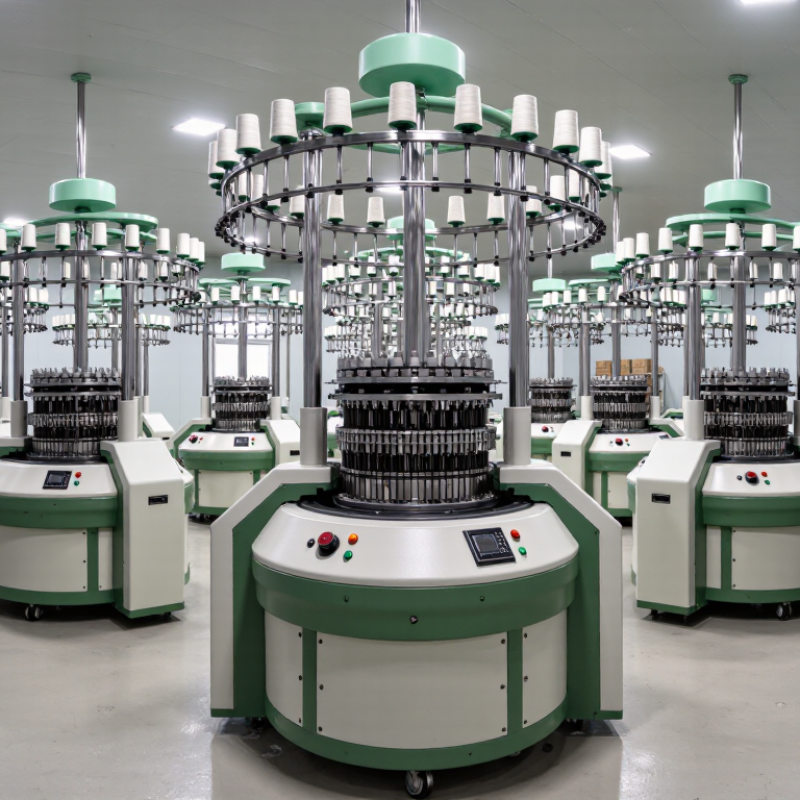
What Circular Knitting Machines Do and Where They Are Used
Circular knitting machines form fabric in a continuous tube, using needles arranged around a rotating cylinder. Yarn feeds enter at set points, and each needle pulls a new loop through the one below. The process can produce lightweight jersey or denser rib structures, depending on the machine setup and yarn. It is fast. But speed alone does not guarantee consistent fabric.
Operators commonly adjust stitch length, yarn tension, and machine speed to control fabric weight and appearance. A small tension change can create visible barré lines or uneven loops across a roll. During production, checking the first fabric sample under steady lighting can reveal problems early. Still, inspections can miss defects that appear only after washing or finishing. That is one practical limitation.
Circular-knit fabrics are widely used for T-shirts, underwear, sportswear, socks, and some home textiles. Larger machines often make broad fabric rolls for cutting and sewing, while smaller-diameter machines can produce tubular items with less side-seam work. The right configuration depends on the yarn, required structure, fabric width, and planned finishing process. Buyers should ask for sample fabric made with comparable yarn and settings, then check its stretch, recovery, and surface. A machine’s output on paper may not match the factory floor. The difference can be frustrating.
China’s Circular Knitting Machine Manufacturing Landscape
China’s circular knitting machine manufacturing landscape combines specialized workshops, component suppliers, and export-focused factories. Production is concentrated in textile machinery hubs across eastern and southern China. Nearby access to casting, machining, electrical controls, and textile mills can shorten sourcing loops. Some manufacturers focus on compact single-jersey machines; others build larger rib or interlock models. Differences show in needle selection, cylinder accuracy, and how steadily fabric tension holds during long runs. Details matter.
A factory visit can reveal more than a catalog. Ask to see a machine running with yarn similar to yours, and inspect the fabric for dropped stitches or uneven loops. Check whether operators can adjust stitch density and speed without excessive vibration. Request clear specifications for gauge, cylinder diameter, and maintenance intervals. Not every supplier will provide the same level of testing records, so compare evidence, not only quoted output. A neat showroom is reassuring, but it does not prove consistent production.
Tips: Bring a fabric sample and a short list of target settings. Ask who handles commissioning and spare parts. Test it. Small differences in setup can affect fabric quality, and buyers sometimes underestimate the time needed for training.
Key Criteria for Comparing Chinese Manufacturers
Comparing Chinese circular knitting machine manufacturers requires more than checking catalog prices. Request a specification sheet listing cylinder diameter, needle count, gauge, feeder configuration, and supported yarn ranges. Compare machines designed for the same fabric and production speed. A low quote may exclude installation, operator training, or essential spare parts. Ask for a recent test report and, when possible, inspect fabric produced during a live trial. Check for even loops, steady fabric take-down, and consistent dimensions across the roll.
Assess the factory’s process, not just its sales presentation. Ask how incoming components are checked, how machines are calibrated, and what final inspection records are kept. A reliable supplier should explain maintenance intervals and provide clear manuals, drawings, and parts lists. Confirm troubleshooting response times and whether technicians can diagnose issues remotely. Claims are easy; documented service procedures are more useful. A factory visit can still miss weak points, so speak with existing users if access is available.
Tips: Send each candidate the same yarn and fabric brief, then compare written offers line by line. Ask for evidence. Check warranty exclusions, delivery scope, and spare-part lead times before paying a deposit. Keep a short list of unanswered questions; hesitation is normal, but vague answers deserve another check.
Key Criteria for Comparing Circular Knitting Machine Manufacturers in China
Suggested evaluation weights for a buyer’s scorecard. These are planning weights, not audited market statistics or ratings of specific manufacturers.
Compare suppliers using documented specifications, test results, and service commitments. Adjust the weights to match your machine type, production needs, and purchasing priorities.
Notable Circular Knitting Machine Manufacturers in China
China has a broad circular knitting machine industry, with manufacturers serving both basic fabric production and more specialized applications. Notable suppliers may offer single-jersey, rib, double-jersey, or electronic jacquard machines. Their capabilities differ, so compare the machine type with the fabric you actually plan to make.
Look closely at practical details. A rigid frame, smooth cylinder rotation, accessible lubrication points, and consistent needle movement can affect daily operation. Ask for a trial run using your yarn, gauge, and target fabric. Watch for vibration, oil marks, and uneven loops. Small clues matter. Check whether technicians can explain setup, maintenance intervals, and common replacement parts in clear terms.
A polished sample is useful, but it cannot prove stable output on your production floor. Request technical specifications and verify key claims with a machine test. Also ask how quickly essential parts can be supplied. Price sheets rarely show every operating cost, and I would not treat a low quote as proof of poor quality—or a high one as proof of reliability. Supplier assessments can miss things; even a careful visit captures only one moment.
How to Match a Manufacturer to Your Production Needs
A suitable circular knitting machine manufacturer should fit your fabric, yarn, and daily output—not just offer an attractive machine price. Define the fabric structure, machine diameter, gauge, and expected production volume before comparing suppliers. A factory making lightweight single jersey has different needs from one producing rib or heavier fabrics. Be specific.
Ask each manufacturer to run your yarn on a machine with the proposed setup. Request a sample roll, production speed, and notes on needle or cylinder changes during the trial. Then check the fabric under consistent lighting and measure its width, weight, and defects. Small details matter. A short video is useful, but it cannot replace a production test.
Compare practical support as carefully as machine specifications. Ask how quickly common parts can be supplied, what installation guidance is included, and whether technicians can help troubleshoot remotely. Clarify which accessories are included in the quotation; assumptions here can cause delays. There is a catch: a clean sample does not prove stable output over a full shift. If possible, request longer-run data and speak with a comparable factory customer. Keep a scorecard, but leave space for unanswered questions—supplier documents may not reveal how service works after installation.