Top 10 Bag Break Machines You Need for Efficient Production?
In today’s fast-paced manufacturing environment, efficiency is paramount. One crucial component to achieving this is the Bag Break Machine. These machines facilitate the quick and reliable opening of bags, streamlining production processes in various industries. Recent studies indicate that companies utilizing advanced bag breaking technology can increase their operational efficiency by nearly 25%.
Investing in high-quality Bag Break Machines not only enhances productivity but also reduces labor costs and minimizes errors. For example, research shows that automating the bag-breaking process can result in a 30% decrease in manual handling injuries. However, many businesses still overlook the vital role of these machines.
While choosing a Bag Break Machine, factors such as speed, durability, and adaptability should be considered. It’s essential to assess specific production needs. Some machines excel in handling lightweight materials, while others are designed for more robust options. Reflecting on existing operations can reveal gaps where these machines can significantly improve workflow and safety. In a constantly evolving market, staying informed about the best options for Bag Break Machines can lead to enhanced performance and reduced downtime.
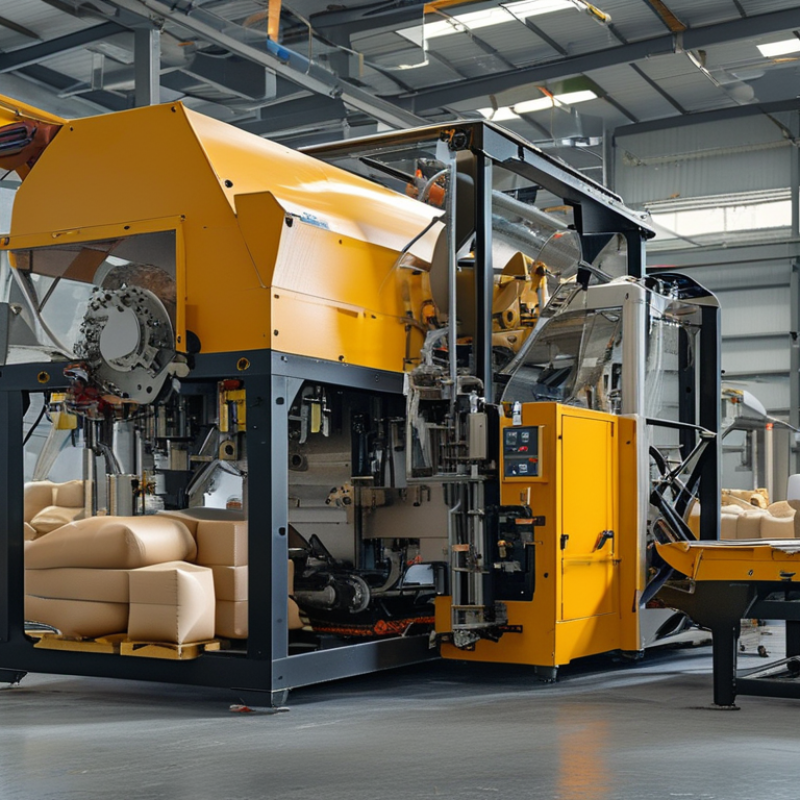
Key Features to Consider in Bag Break Machines
When selecting bag break machines, efficiency is crucial. Pay attention to key features that can optimize production. One vital element is the machine's speed. A report from the Packaging Machinery Manufacturers Institute (PMMI) indicates that machines with higher processing speeds can increase output by up to 30%. This can significantly reduce downtime and enhance overall productivity.
Another essential factor is user-friendliness. Machines should have intuitive controls, allowing operators to quickly adapt and minimize errors. According to industry research, simpler interfaces lead to a 40% reduction in training time. This not only fosters efficiency but also promotes a safer work environment. Manufacturers often overlook the importance of maintenance features. Easy access to components for cleaning and repairs ensures prolonged machine life. Ignoring this can lead to costly downtime.
In a competitive industry, precision is non-negotiable. Accurate weight dispersal and distribution are vital to maintaining product quality. If a machine cannot deliver consistent results, production efficiency suffers. Some organizations report up to a 25% increase in waste due to unreliable machines. Consider these aspects carefully to make the right choice in bag break machines for your production needs.
Top 10 Bag Break Machines You Need for Efficient Production
| Machine Model | Processing Capacity (bags/hour) | Power Consumption (kW) | Dimensions (L x W x H in cm) | Weight (kg) | Key Features |
| Model A | 600 | 5.5 | 150 x 80 x 120 | 300 | Automatic feeder, adjustable speed |
| Model B | 450 | 4.0 | 140 x 70 x 110 | 250 | User-friendly interface, safety guards |
| Model C | 700 | 6.5 | 160 x 90 x 130 | 320 | High efficiency, low noise operation |
| Model D | 500 | 4.5 | 155 x 85 x 125 | 280 | Easy maintenance, speed control |
| Model E | 800 | 7.0 | 165 x 95 x 135 | 350 | Robust construction, remote monitoring capability |
Types of Bag Break Machines and Their Applications
Bag break machines are crucial in various production processes. They efficiently open and empty bags, ensuring that raw materials flow smoothly into the production line. There are several types of bag break machines tailored for specific applications in different industries.
For instance, high-capacity machines excel in bulk material handling. They can manage large volumes of bags, which is vital for industries like agriculture and construction. These machines often feature advanced automation, enhancing speed and accuracy. On the other hand, smaller, stationary options are ideal for operations needing precision without excess bulk. These variants are commonly used in food production where the integrity of the materials is crucial.
Each machine type has unique advantages and limitations. High-speed models may sacrifice precision for throughput, while smaller machines might struggle with larger bags. Operators must consider their specific needs carefully. Understanding the nuances of each option can lead to more informed purchasing decisions. Investing in the right bag break machine ultimately boosts productivity while maintaining quality.
Top 10 Bag Break Machines for Efficient Production
Benefits of Using Bag Break Machines in Production
Bag break machines play a crucial role in modern production lines. They streamline the process of handling bulk materials, significantly reducing manual labor. According to a study by the Manufacturing Institute, companies that utilize automated bag break systems see a 30% increase in productivity. This efficiency comes from reducing the time workers spend opening and emptying bags.
Moreover, these machines lead to better workplace safety. Manual handling of heavy bags often results in workplace injuries. The National Safety Council reported that lifting and carrying caused over 30% of work-related injuries. By automating this task, businesses can minimize risks, while enhancing overall worker satisfaction. Employees can focus on more critical tasks rather than repetitive, labor-intensive activities.
However, while bag break machines are beneficial, they are not without challenges. Initial setup costs can be high. Also, worker training is essential to ensure smooth operation. Some staff may resist the transition from manual to automated processes. These hurdles must be addressed for effective implementation. Yet, investing in bag break technology pays off in the long term.
Top Brands and Models of Bag Break Machines Reviewed
When it comes to efficient production, bag break machines play a crucial role. These machines are designed to streamline the packaging process, ensuring that materials are easily accessible for further handling. Various brands and models excel in creating user-friendly devices. Each machine has its distinct features, catering to different operational needs.
Many top models offer adjustable settings for speed and efficiency. Operators can customize performance based on the specific requirements of their workspace. Choosing the right machine requires careful consideration. Operators should assess factors like capacity, durability, and the type of materials involved. A machine that works perfectly in one environment might not be suitable in another. The potential for mechanical issues is always present, and regular maintenance is essential.
Several machines struggle with consistency. Some may experience jammed bags or uneven feeding. This reflects the importance of operator training and regular inspections. A well-informed team can mitigate these challenges. Investing time in understanding the nuances of each model can significantly enhance production outcomes. The right choice of bag break machine can lead to smoother workflows and increased efficiency, but continuous assessment is key to long-term success.
Maintenance Tips for Long-Lasting Bag Break Machines
When it comes to bag break machines, maintenance is crucial. Proper upkeep can extend the machine's lifespan and enhance production efficiency. According to industry reports, businesses can reduce operational costs by up to 25% with routine maintenance. Regular checks on key components, such as belts and motors, are essential. Failure to address wear and tear can lead to costly downtimes.
Moreover, lubricating moving parts regularly is important. This simple step can prevent friction and overheating, which are common issues. Over time, neglecting lubrication leads to machine failure, impacting your productivity. Studies show that companies with a consistent maintenance schedule report 30% fewer breakdowns. Inspecting electrical connections can save you from unexpected shutdowns as well.
Documentation is often overlooked. Keeping detailed maintenance records helps your team stay organized. This habit ensures that nothing is missed and that every machine operates at peak performance. Additionally, training staff on correct operating procedures reduces user error, further extending the machine's life. Skipping these practices might appear harmless, but they accumulate risks over time.