What is NBR PVC Rubber Foam Insulation and Its Benefits?
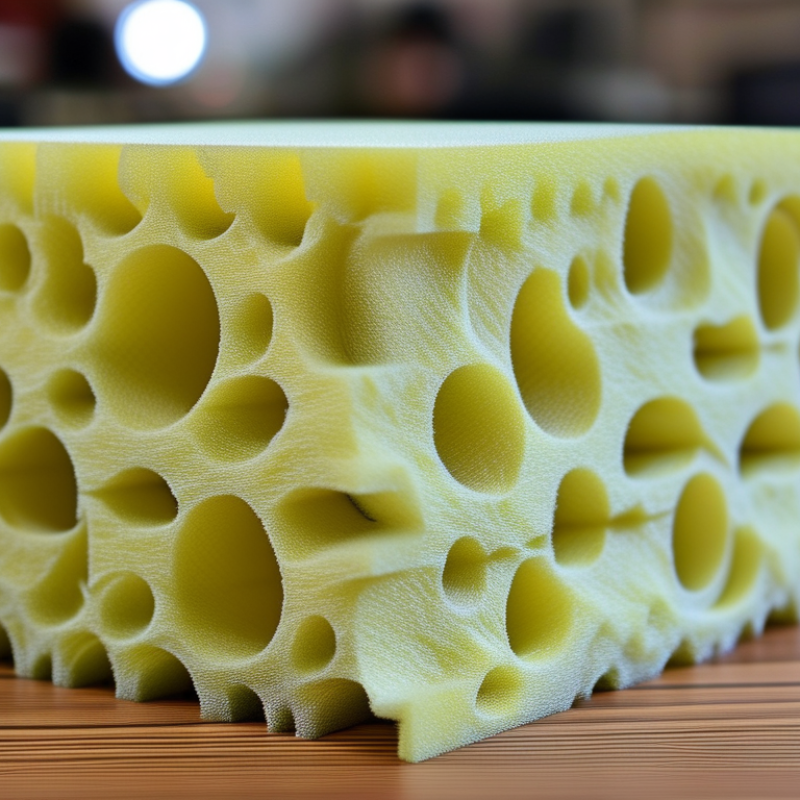
NBR/PVC Rubber Foam Insulation is a versatile material widely used in various applications. It combines the benefits of both Nitrile and Polyvinyl Chloride. This insulation type offers exceptional thermal resistance, making it ideal for energy efficiency.
The unique structure of NBR/PVC Rubber Foam provides effective sound attenuation. This can significantly enhance comfort in living and working spaces. Many industries, from HVAC to automotive, rely on this material for its durability and flexibility.
However, while the benefits are clear, there are considerations for installation and use. Proper handling is crucial to maximize its performance. Understanding the characteristics of NBR/PVC Rubber Foam Insulation will lead to more informed decisions. Embracing its advantages can drive innovation and efficiency across various sectors.
Definition and Composition of NBR PVC Rubber Foam Insulation
NBR PVC rubber foam insulation is a specialized material known for its unique properties. Its composition includes a blend of nitrile butadiene rubber (NBR) and polyvinyl chloride (PVC). This combination yields a robust insulation solution that effectively dampens sound and minimizes thermal loss. The rubber component provides flexibility, while PVC enhances durability against environmental factors.
This insulation material is lightweight yet provides substantial protection. It is often used in various applications, such as HVAC systems and refrigeration units. Its resilience against moisture and chemicals makes it a suitable choice in demanding environments. However, it may not be ideal for extreme temperature fluctuations, which can lead to material degradation over time.
The benefits of NBR PVC rubber foam insulation extend to energy efficiency and safety. By reducing energy consumption, it helps lower costs. Nevertheless, the installation process requires precision to avoid gaps, as any oversight can compromise its effectiveness. Attention to detail during installation is crucial for optimal performance.
Key Properties of NBR PVC Rubber Foam Insulation
NBR PVC rubber foam insulation is a versatile material that brings a range of benefits to various applications. One of its key properties is superior thermal resistance. This insulation effectively reduces heat transfer, keeping spaces comfortable and energy-efficient. Its ability to withstand temperature fluctuations makes it an optimal choice for both industrial and residential settings.
Another important feature is its moisture resistance. The closed-cell structure of NBR PVC prevents water absorption, minimizing the risk of mold and mildew. This is particularly vital in humid environments where moisture can lead to significant damage over time. Additionally, the material is lightweight, which makes installation easier and cost-effective.
However, it’s important to recognize potential limitations. While durable, NBR PVC may not perform well in extreme temperatures. It requires careful selection based on specific environmental conditions. Users should also consider the surrounding materials to ensure compatibility. Overall, NBR PVC rubber foam insulation presents a compelling solution, but thorough evaluation is essential for optimal use.
Applications of NBR PVC Rubber Foam Insulation in Various Industries
NBR PVC rubber foam insulation has a wide range of applications across various industries. In HVAC systems, it plays a crucial role in thermal insulation. It helps maintain temperature, making systems more efficient. This material also reduces noise and condensation, which are common issues in heating and cooling systems.
In the automotive industry, NBR PVC foam is used for soundproofing and vibration dampening. It enhances passenger comfort by minimizing unwanted noise. Applications extend to vehicle interiors where the foam provides cushioning and thermal protection. It's a lightweight solution, which is important for fuel efficiency.
**Tips:** When applying NBR PVC foam, ensure proper adhesive is used for durability. In environments with temperature fluctuations, always check compatibility. It's essential to consider the foam's thickness to meet specific insulation requirements. Regular maintenance checks can help identify any issues early on.
Benefits of Using NBR PVC Rubber Foam Insulation for Thermal and Acoustic Control
NBR PVC rubber foam insulation is a versatile material widely used for thermal and acoustic control. Its unique composition offers excellent thermal resistance, making it ideal for HVAC systems and pipes. The foam helps maintain consistent temperatures while saving energy. Additionally, its sound-absorbing properties reduce noise levels, creating a quieter environment.
When using NBR PVC rubber foam insulation, keep in mind its installation. Proper installation is crucial for optimal performance. Seal all seams and edges to prevent air leaks. This will enhance both thermal and acoustic benefits. Avoid gaps and ensure the material covers all exposed areas.
Tip: Always check the insulation thickness based on your specific needs. Different applications require different levels of insulation. Not all projects will necessitate the same thickness. Evaluating your requirements can save costs and improve efficiency.
Benefits of NBR PVC Rubber Foam Insulation
NBR PVC Rubber Foam Insulation offers numerous benefits for both thermal and acoustic control. The chart above illustrates the scoring of key benefits, highlighting its strengths in thermal insulation and moisture resistance.
Comparison of NBR PVC with Other Types of Insulation Materials
When comparing NBR PVC rubber foam insulation with other materials, several key factors come into play. NBR PVC offers impressive thermal resistance. Studies indicate that it can reduce energy loss by up to 25% compared to traditional fiberglass insulation. This makes it a popular choice in energy-efficient construction. Its closed-cell structure enhances moisture resistance, preventing mold and mildew growth, which is crucial for maintaining indoor air quality.
In contrast, materials like fiberglass or foam board insulation may offer lower upfront costs but often lack effectiveness in energy retention. Research shows that such alternatives can lead to significantly higher energy bills over time. Furthermore, NBR PVC is more versatile in application. It adheres well to various surfaces and can be used in both residential and commercial projects.
While NBR PVC insulation has many advantages, it is important to consider its durability. Some types of insulation can degrade over time, leading to reduced performance. Regular inspections can identify potential issues early. Choosing the right insulation involves weighing long-term benefits against initial costs. Before making a decision, evaluating specific needs is essential.
What is NBR PVC Rubber Foam Insulation and Its Benefits? - Comparison of NBR PVC with Other Types of Insulation Materials
| Insulation Material | Thermal Conductivity (W/mK) | Density (kg/m³) | Flexibility | Water Resistance | Cost (per m²) |
| NBR PVC | 0.034 | 50-120 | High | Excellent | 2.50 |
| Polyurethane Foam | 0.025 | 30-40 | Medium | Good | 3.00 |
| Fiberglass | 0.040 | 20-30 | Low | Fair | 1.50 |
| Rock Wool | 0.035 | 60-80 | Medium | Good | 2.00 |