


Material Testing Blog

HomeMaterial Testing Blog

What Is Fine Line Reduction and How Does It Work?

Fine Line Reduction refers to the process of softening small facial lines that develop with age, repeated expressions, sun exposure, and gradual collagen loss. These lines often appear around the eyes, forehead, and mouth. They may look shallow in soft lighting but become clearer when the skin is dry or the face moves. Understanding their cause matters.

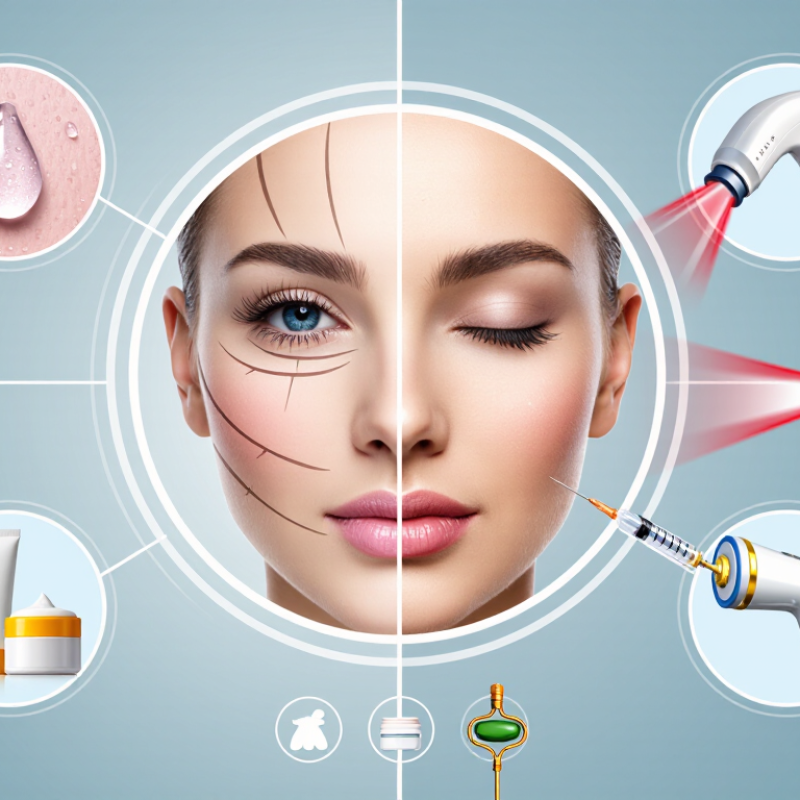
Treatments work in different ways. Some improve hydration and surface texture, while others encourage collagen production or relax repeated muscle movement. Professional options may include topical retinoids, chemical exfoliation, laser procedures, microneedling, or carefully selected injectables. Results depend on skin type, line depth, lifestyle, and the treatment chosen. Nothing works identically for everyone.

Good care starts with a qualified medical professional and realistic expectations. A consultation should review allergies, medications, previous procedures, skin sensitivity, and sun habits. Daily broad-spectrum sunscreen and gentle moisturising can support long-term results. Small habits count.

It is also important to question dramatic promises. Fine Line Reduction may soften visible lines, but it rarely removes every mark permanently. Some treatments require several sessions, temporary redness, or recovery time. Others may not suit sensitive skin. Individual results can change. That uncertainty deserves honest discussion, not marketing language. Clear photographs, verified credentials, and evidence-based advice can help people compare options safely and confidently.
What Is Fine Line Reduction and How Does It Work?

Definition and Causes of Fine Lines

Fine lines are shallow creases that appear when skin repeatedly folds during movement. They often show around the eyes, forehead, and mouth. Fine line reduction means softening their appearance, not erasing every mark. Dermatologists usually assess skin texture, movement, dryness, and sun exposure before discussing treatment options. The same line can look deeper in harsh lighting or after a dry night.

Natural aging is a major cause. Collagen and elastin gradually decrease, so skin becomes thinner and less resilient. Repeated facial expressions also leave temporary folds that may become more visible over time. Sunlight adds another layer of damage by weakening collagen and affecting uneven pigmentation. Smoking, air pollution, dehydration, and poor sleep can make the skin look rougher, although they do not affect everyone equally.

Genetics matter too. Some people develop forehead lines early, while others notice cheek lines first. Dry skin can emphasize tiny creases, but it is not always their root cause. This distinction is important when choosing care. Moisturizers may improve surface softness, while daily broad-spectrum sunscreen helps limit further ultraviolet damage. Professional treatments can address deeper concerns, but results vary with skin type and technique. The causes often overlap, and any tidy explanation misses something. Fine lines are not a personal failure.

How Fine Line Reduction Treatments Work

Fine line reduction treatments work by targeting the cause of visible lines, not just their surface appearance. A qualified clinician first examines skin texture, movement, hydration, and sun exposure. Lines that appear during smiling may respond to muscle-relaxing injections. These treatments reduce repeated muscle contractions, allowing the skin to crease less often. Results usually develop gradually and require careful dosing.

Static lines may need a different approach. Retinoid-based products can encourage cell turnover and support collagen production over time. Microneedling creates controlled, tiny skin injuries that stimulate repair. Laser treatments can improve texture by removing or heating selected skin layers. Some injectable treatments restore lost volume, but they require precise anatomical knowledge. Poor placement can create unevenness or other complications.

The process is not instant. Skin may look red, swollen, or temporarily sensitive after treatment. Daily sunscreen matters because ultraviolet exposure weakens collagen and can undermine progress. Moisturizing also helps the skin barrier recover. In my experience, realistic planning produces better decisions than chasing completely smooth skin. Fine lines are normal, and treatment results vary with age, genetics, medication, and healing ability. Even clinical evidence has limits. A consultation should include benefits, risks, expected timing, and alternatives before any procedure begins.

Fine line reduction treatments work through different mechanisms. Retinoids encourage skin-cell turnover and collagen production, microneedling creates controlled micro-injuries that stimulate remodeling, chemical peels remove damaged surface cells, and fractional laser treatment uses heat to promote new collagen formation. Botulinum toxin temporarily relaxes targeted muscles, helping reduce dynamic lines caused by repeated facial movement.

The chart shows approximate recovery time in days. Actual results and downtime vary according to treatment intensity, skin type, individual healing, and clinical technique.

Common Methods for Reducing Fine Lines

Fine lines develop as collagen declines, facial movement repeats, and daily sunlight weakens skin structure. Common reduction methods target different causes, so treatment choice matters. A broad-spectrum sunscreen used every morning helps prevent further damage. Reapply outdoors, especially after sweating. Moisturizers with humectants can temporarily soften dry, etched lines. The effect is modest but visible.

Retinoids encourage cell turnover and support collagen production over time. Start slowly, perhaps two nights weekly, because redness and peeling can occur. Pregnant or breastfeeding people should seek medical advice before using them. Professional chemical peels and microneedling create controlled skin stimulation. They may improve texture after several sessions, but healing time varies. Qualified practitioners should assess skin tone, sensitivity, and medical history first.

Laser resurfacing can reduce surface irregularities and stimulate deeper remodeling. It usually requires careful aftercare and strict sun protection. Injectable treatments may soften movement-related lines, while fillers are more suitable for certain volume-related creases. They are not interchangeable. A dermatologist can distinguish these patterns during an examination. Results are rarely perfectly even. That matters. Overusing strong products may damage the skin barrier and make lines look sharper temporarily. Many people, including me when judging skincare claims, expect overnight change; realistic improvement usually takes weeks or months, with maintenance still needed.

Treatment Process and Expected Results

Fine line reduction describes cosmetic treatments that soften shallow wrinkles and improve skin texture. The right method depends on wrinkle depth, skin type, sun exposure, and overall health. A qualified medical professional should examine your skin before recommending treatment.

The process usually begins with a consultation and clear photographs. The practitioner reviews your medical history, medicines, allergies, and expectations. Depending on your needs, treatment may involve controlled skin resurfacing, microneedling, or carefully placed injections. Some procedures use numbing cream. Others cause only brief warmth or pinching. Afterward, mild redness, swelling, dryness, or sensitivity may appear. These effects often settle within several days, but recovery varies.

Results are usually gradual. Skin may look smoother after healing, while collagen-related improvement can develop over several weeks. Fine lines may become less noticeable, not disappear completely. Results also depend on sleep, sun exposure, genetics, and consistent skincare. The process is not perfectly predictable. That matters. A responsible practitioner should explain possible side effects and avoid promising permanent results.

Tips: Use gentle cleanser and moisturizer during recovery. Apply broad-spectrum sunscreen daily. Avoid picking peeling skin or adding strong exfoliants too soon. Take progress photos in the same light. Ask when normal exercise, makeup, and active skincare can resume. If pain, spreading redness, or unusual swelling develops, contact your healthcare provider promptly.

Safety, Limitations, and Aftercare

Fine line reduction describes treatments that soften visible creases without promising perfectly smooth skin.

Options may include resurfacing, microneedling, chemical exfoliation, or carefully selected injectables. Each method carries different risks, so a qualified medical professional should assess your skin, medical history, medications, and treatment goals first. A proper consultation should explain the device or product, expected downtime, and possible alternatives.

Safety depends on technique and timing. Temporary redness, swelling, dryness, or sensitivity can occur. Less common problems include infection, prolonged discoloration, burns, or scarring. People with active skin infections, poor wound healing, or certain medical conditions may need to postpone treatment. Darker skin tones may require extra planning because pigment changes can last longer. Results also have limits. Fine lines may soften, but deep folds, sun damage, and repeated facial movement will not disappear completely. It is easy to expect more than the treatment can deliver.

Aftercare is part of the result. Cleanse gently, avoid picking, and use a broad-spectrum sunscreen when your clinician permits it. Pause strong acids, retinoids, waxing, and intense heat until the skin barrier recovers. Keep workouts and swimming limited if irritation remains. A typical recovery may show tightness and light peeling, which can feel alarming but is not always dangerous. Increasing pain, spreading redness, pus, fever, or vision changes need prompt medical attention. I would rather allow extra healing time than return to aggressive products too soon.

Go to Top