10 Essential Tips for Using a Rubber Tensile Testing Machine Effectively
In the world of materials testing, the rubber tensile testing machine stands as a crucial tool. Dr. Emily Carter, a leading expert in materials science, states, "Understanding the nuances of rubber testing can vastly improve product quality." Her insights shed light on the importance of effective usage of this machine.
Using a rubber tensile testing machine requires both skill and knowledge. Precise measurements are essential to ensure reliability. Each test provides data that can influence design choices and safety standards. Many overlook the calibration process, which is key to obtaining accurate results.
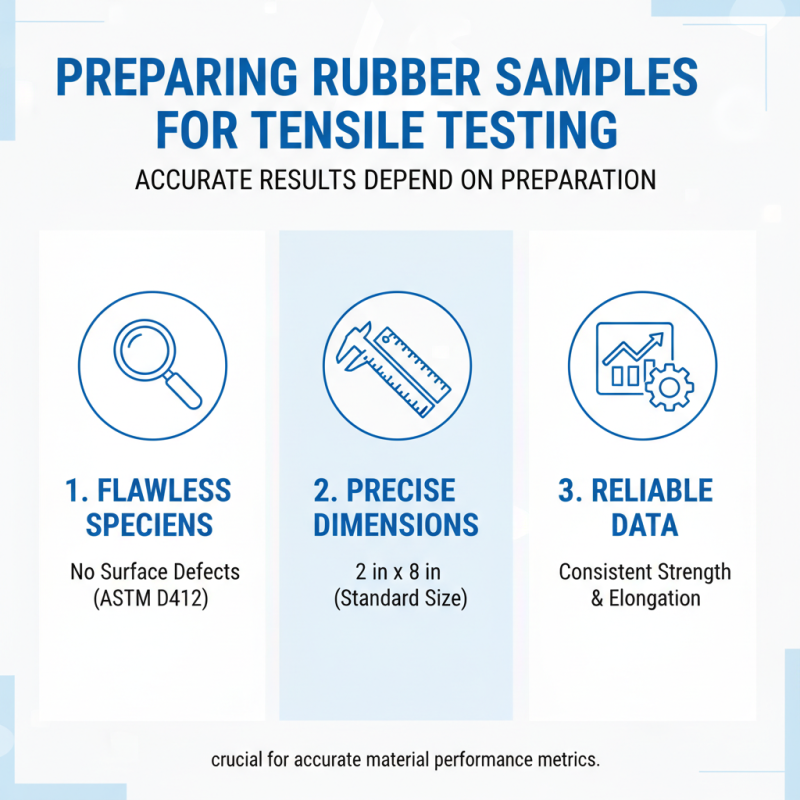
Moreover, users often neglect proper specimen preparation. This can lead to inconsistent results and skewed interpretations. It’s vital to follow best practices for loading and observing the material. Over time, familiarity with the machine brings efficiency. Yet, every user should continuously seek improvement. Exploring various methods can enhance testing outcomes significantly.

Understanding the Basics of Rubber Tensile Testing Machines
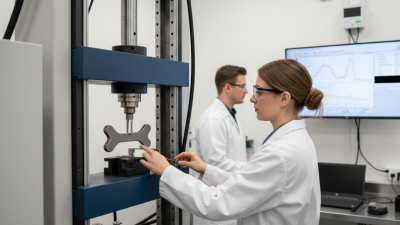
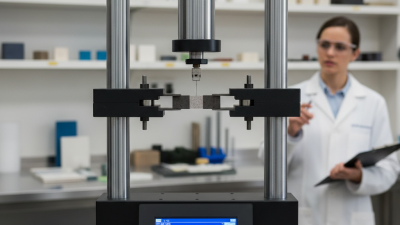
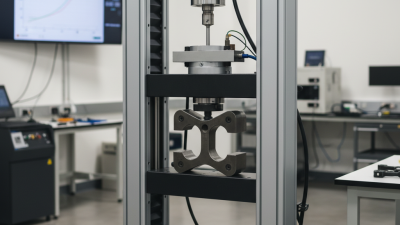
When it comes to rubber tensile testing machines, understanding their basic functions is crucial. These machines measure the tensile strength and elongation of rubber materials. By applying a controlled force, they help determine material properties under stress. Knowing the mechanics behind these machines can greatly enhance their effectiveness.
One essential tip is to calibrate the machine regularly. Calibration ensures accurate readings. An uncalibrated machine could lead to misleading test results. Another important aspect is selecting the correct sample size. The size affects the test's validity. Using improperly sized samples often results in inconsistent data.
It's also vital to adhere to testing standards. Follow guidelines set by organizations to ensure reliability. Inconsistent methodologies can lead to poor comparisons. Lastly, document each test meticulously. Record any anomalies you encounter. This practice can provide valuable insights into potential areas for improvement. Testing rubber is complex, and reflection on processes often reveals opportunities for enhancing accuracy and reliability.
Key Safety Procedures When Operating a Rubber Tensile Testing Machine
When operating a rubber tensile testing machine, safety is paramount. Each operator must wear appropriate personal protective equipment. This includes safety goggles to shield the eyes and gloves that protect hands from sharp objects. Additionally, operators should ensure their workspace is tidy to prevent accidents. A clutter-free area allows for easy movement and reduces the risk of tripping over equipment or materials.
Understanding the machine's controls is crucial. Operators often overlook the importance of reading the manual. Familiarity with the functions can prevent potential malfunctions. Conduct a thorough check of the machine before use. Inspect the cables and connections for any signs of wear. Any irregular noise during operation must be investigated immediately. Reporting any issues is essential for maintaining a safe work environment.
Regular training is also vital for all personnel involved. Many workers might not feel confident using the equipment. Continuous education can bridge this gap. Encouraging operators to discuss their concerns may reveal underlying issues. Outdated practices might still linger in some settings. Cultivating a culture of safety leads to a more effective and secure testing process.
Interpreting Test Results: Key Metrics in Rubber Tensile Testing
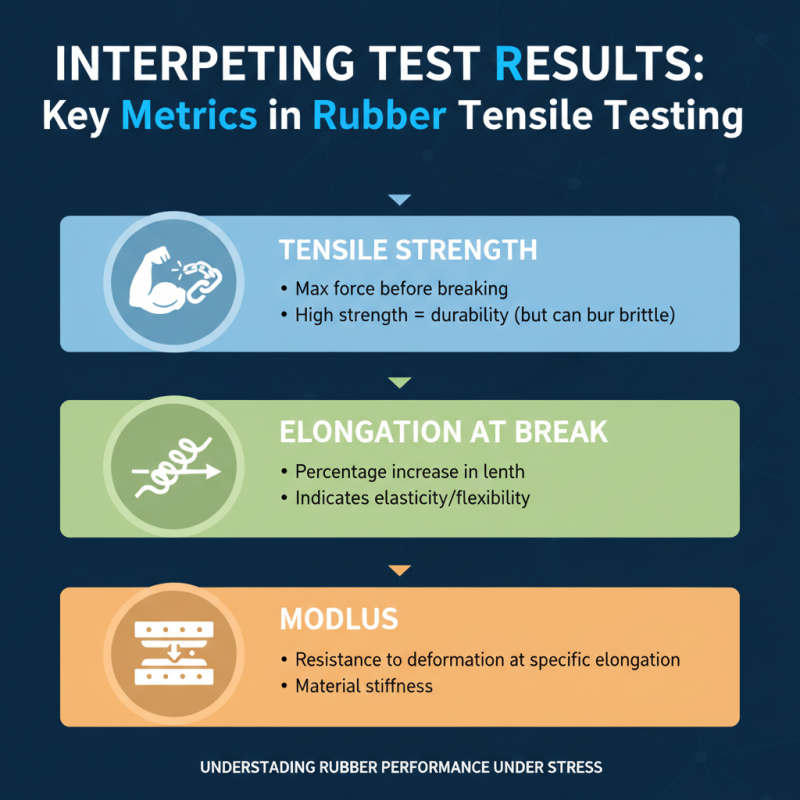
Interpreting test results in rubber tensile testing involves understanding key metrics like tensile strength, elongation at break, and modulus. Each metric reveals crucial information about the rubber’s performance under stress. Tensile strength indicates how much force a rubber sample can withstand before breaking. A high tensile strength means greater durability, but it can also lead to brittleness.
Elongation at break tells how much a rubber sample stretches before it fails. A balance between strength and elasticity is vital. Too much elasticity can reduce strength, while too much strength may compromise flexibility. Modulus, the measure of stiffness, assesses how much the rubber deforms under stress. Knowing these metrics helps engineers make informed decisions when selecting materials.
It's essential to consider variability in test results. Small changes in sample preparation can lead to significant differences in the data. Testing multiple samples often reveals trends rather than absolute values. Understanding the context of the results is important. Are they consistent with previous tests? Ideally, results should align with expectations. However, discrepancies require further investigation. This reflection ensures reliable and effective use of tensile testing data.
Maintaining Your Rubber Tensile Testing Machine for Optimal Performance
Maintaining a rubber tensile testing machine is crucial for consistent results. Regular inspection is essential. Check the machine's calibration monthly to ensure accurate measurements. A small deviation can lead to misleading data. Keep the machine clean and free from dust or debris. Accumulation can affect performance and results.
Lubrication is often overlooked but paramount. Apply appropriate lubricants to moving parts regularly. This minimizes wear and tear, extending the machine's lifespan. Also, pay attention to the software updates. Outdated software can lead to compatibility issues and reduce efficiency. Document any maintenance activities to track performance over time.
Rubber testing requires a precise environment. Any change in temperature or humidity can influence the outcomes. Position the machine in a stable environment to mitigate these factors. Occasionally, review the wear on grips and adjust them as needed. Regularly changing them can prevent sample slippage, thus ensuring accuracy. Remember, the goal is to achieve reliable and valid test results consistently.
Rubber Tensile Testing Machine Performance Data
This bar chart displays the average tensile strength, elongation at break, and modulus of elasticity for different rubber materials tested using a tensile testing machine, helping assess material performance.