What is a Compression Testing Machine and How Does It Work?
A compression testing machine is vital in material testing. It evaluates the ability of materials to withstand axial loads. According to Dr. Emily Carter, a renowned expert in materials science, "Understanding material behavior under compression is crucial for safety and performance."
These machines apply a controlled force to a sample. They measure how much the material deforms. Factors like speed and temperature can influence results. A precise setup is essential. Incorrect calibration can lead to flawed data, leading to dangerous outcomes.
In various industries, from construction to aerospace, the relevance of a compression testing machine is undeniable. Materials must meet specific standards before they can be used. Testing reveals weaknesses that may not be apparent otherwise. As technology advances, the accuracy and efficiency of these machines will likely improve, yet there is always room for reflection on techniques and methodologies.
What is a Compression Testing Machine?
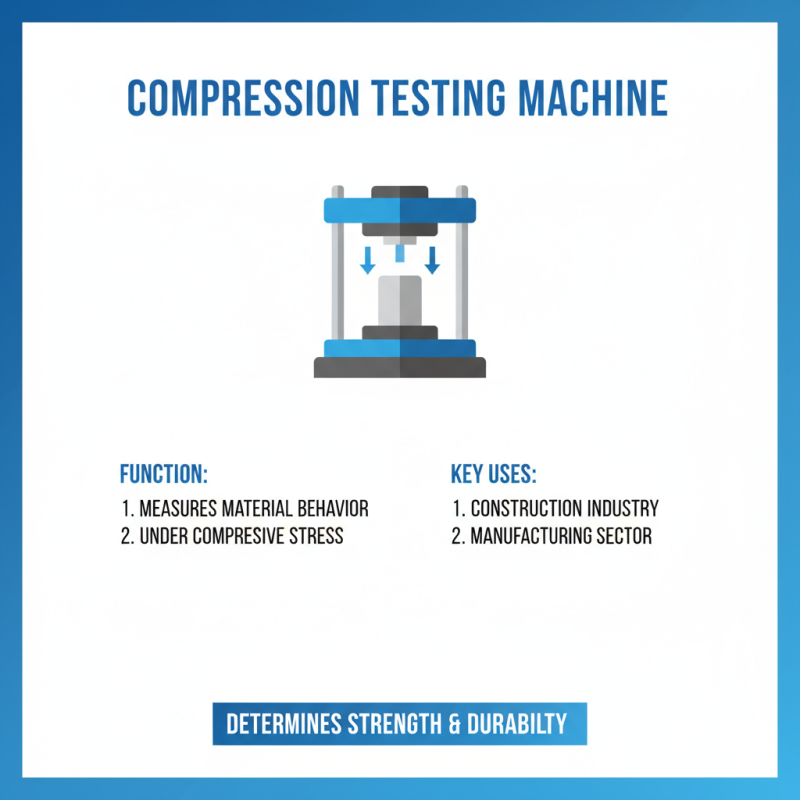
A compression testing machine is a vital instrument in materials science. It measures the behavior of materials under compressive stress. Often used in construction and manufacturing, these machines determine the strength and durability of different materials.
In recent years, the global compression testing machine market has seen robust growth. Reports indicate the market size was approximately $160 million in 2020 and is expected to grow at a CAGR of 6% through 2025. Such statistics highlight the increasing importance of material testing. Accurate measurements can reduce costs and prevent material failure.
This equipment typically includes load cells and data acquisition systems. The machine applies a controlled compressive force to the sample until it fails or deforms. While the process may seem straightforward, it can be influenced by various factors, including temperature and material composition. Inconsistent results can arise from improper calibration or sample preparation. These challenges remind us of the complexities in material testing, emphasizing the need for meticulous procedures and thorough understanding.
The Components of a Compression Testing Machine
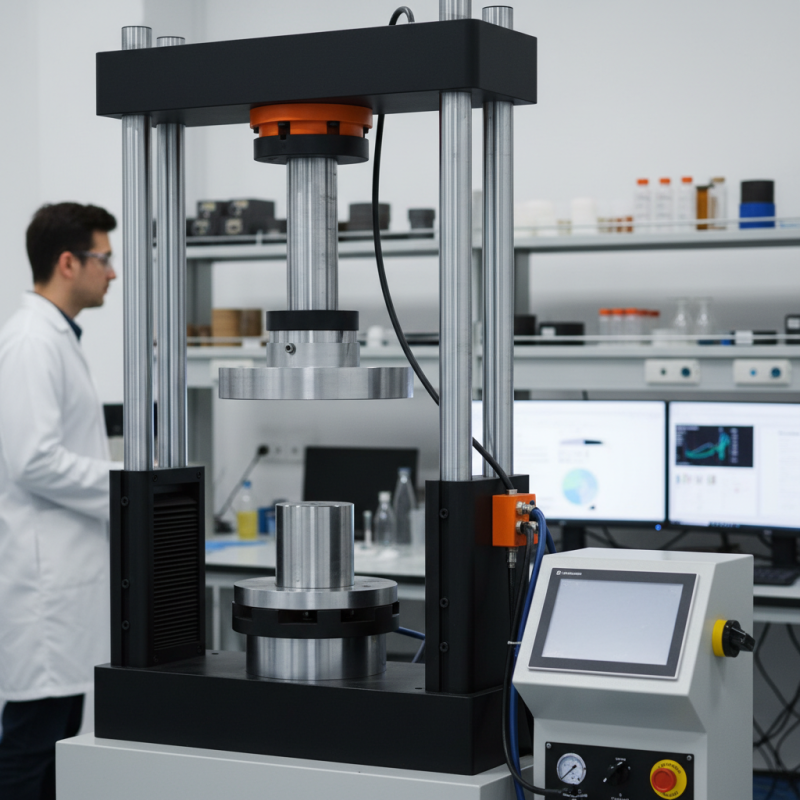
A compression testing machine is essential in evaluating material strength. The main components of this device play vital roles. Firstly, the load frame forms the machine's backbone. It ensures stability during testing. The frame typically includes a strong structure to resist deformation.
Next, the load cell measures the force applied to the sample. This component provides accurate data on how materials respond to compression. It is crucial for determining failure points. Furthermore, the control system allows users to set parameters and monitor tests in real-time. It offers a user-friendly interface for efficient testing.
Finally, the sample holder secures the material being tested. This part must align perfectly with the force applied. Often overlooked, the design affects the accuracy of results. While these components seem straightforward, their interplay is complex. A flaw in any part can lead to misleading outcomes. Understanding these elements is key in mastering compression testing.
What is a Compression Testing Machine and How Does It Work?
| Component |
Description |
Function |
| Load Frame |
The main structure that holds all other components in place. |
Provides stability and support during testing. |
| Load Cell |
A sensor that measures the force applied to the specimen. |
Converts mechanical force into an electrical signal for data analysis. |
| Control System |
The software interface that allows users to program and monitor tests. |
Controls the testing process and displays results. |
| Specimen Holder |
Holds the material specimen in place during testing. |
Ensures accurate force application without shifting. |
| Data Acquisition System |
Collects data generated during the test for analysis. |
Facilitates real-time monitoring and generates reports. |
How Compression Testing Machines Operate
Compression testing machines are vital for evaluating the compressive strength of materials, such as concrete and metals. These machines apply a controlled load until the specimen fails. The load is measured consistently, allowing engineers to determine the material's strength characteristics. According to a recent industry report, nearly 30% of construction materials fail during stress testing due to inadequate quality checks.
Understanding how these machines operate is crucial. They consist of a loading unit, a control system, and data acquisition sensors. The loading unit exerts force on the material. Sensors record real-time data, providing insights into the material’s behavior under pressure. Some materials may behave unpredictably. This is a factor that engineers must consider during the testing phase.
Tips: Regular calibration of the machine ensures accurate results. Always check for wear and tear on the loading unit. Proper specimen preparation can influence test outcomes. Overlooking these details can lead to misleading data. Engaging with real-world examples can also improve understanding of potential material failures.
Applications of Compression Testing Machines in Various Industries
Compression testing machines are essential tools used across various industries. They evaluate materials' ability to withstand axial loads. Understanding their applications can provide insights into material performance and durability.
The construction industry extensively uses compression testing machines. They help assess concrete strength and ensure compliance with safety standards. In the automotive sector, these machines test the resilience of components. This is vital for safety and performance. Aerospace also benefits, as materials must meet rigorous standards.
However, not every testing process is flawless. Occasionally, test specimens may not represent real-world conditions. Proper calibration is crucial to avoid misleading results. Each industry must continually reflect on their testing practices. This ensures the reliability of data obtained from compression tests.
Understanding the Results from Compression Testing Machines
Compression testing machines play a vital role in material evaluation. They apply controlled pressure to samples, revealing how materials behave under stress. Understanding the results from these tests is crucial for engineers and designers.
When a material fails under compression, several factors come into play. The stress-strain curve becomes instrumental in interpreting these results. A steep slope indicates high strength, while a gradual slope may signal weakness. Often, unexpected anomalies arise during testing. For example, a seemingly sturdy material might crumble under stress, highlighting the importance of thorough testing. It’s essential to question data and consider testing conditions, as environmental factors can skew results.
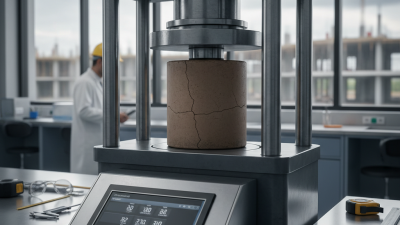
Analyzing the test results involves more than just numbers. Visual inspections of failed samples can offer insights. Cracks or uneven surfaces often tell a story that data alone cannot convey. Relying solely on numerical values without context can lead to flawed decisions. Therefore, combining quantitative data with qualitative observations enriches understanding and fosters better design choices. Emphasizing this holistic approach promotes more reliable outcomes in material selection and application.
Compression Testing Results of Different Materials