How to Choose the Right Bend Test Machine for Your Needs?
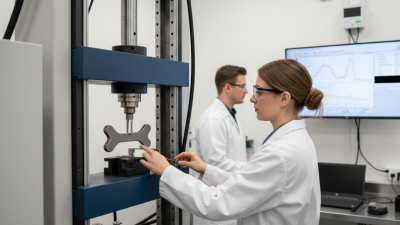
Choosing the right bend test machine is crucial for any material testing lab. This equipment plays a vital role in evaluating the strength and ductility of materials. Understanding your specific needs will help guide your selection process.
Bend test machines differ in design, capacity, and functionality. Some models can handle larger samples, while others focus on precision for smaller specimens. The desired testing standards also impact the decision. Quality and reliability are paramount when selecting a bend test machine, as inaccurate results can lead to costly mistakes.
It's essential to consider your lab's workflow. Are you testing frequently or only occasionally? This factor influences the machine's complexity and cost. Remember, investing in the right bend test machine means balancing features with usability. Reflecting on these aspects ensures that you'll choose a device that meets your needs effectively.
Understanding Bend Test Machines and Their Applications
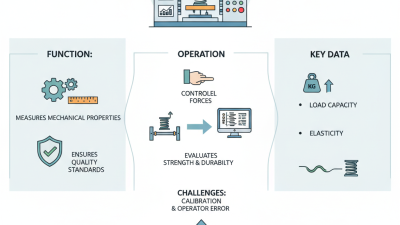
Bend test machines play a crucial role in material testing.They evaluate the ductility and strength of materials by applying a specific force. This helps industries ensure their products can withstand stress before they reach consumers. According to a 2022 report, nearly 70% of manufacturing companies prioritize material testing to enhance product reliability.
Different industries rely on bend test machines for various applications. For example, the aerospace sector needs to verify the integrity of aircraft components. In contrast, the automotive industry focuses on the durability of parts like suspension systems.A study found that improper testing could lead to catastrophic failures, costing businesses millions. Thus, selecting the right machine is essential.
When choosing a bend test machine, consider your material's specifications. Different materials, such as metals or plastics, require distinct testing methods. Ensure the machine complies with relevant standards. Checking manufacturer and user reviews may help assess reliability and performance.Sometimes, a machine may exceed expectations on paper but underperform in real conditions. Always reflect on past testing experiences to make an informed decision.
Key Features to Consider When Selecting a Bend Test Machine
When selecting a bend test machine, several key features should be considered. The machine's capacity is crucial. It must accommodate the materials you intend to test. Look for machines with adjustable settings for varying specimen sizes. This versatility aids in achieving precise results with different materials.
Accuracy is another vital feature. A reliable bend test machine should provide consistent measurements. Check if the machine includes a digital readout or software integration. Accurate data ensures that your research or production meets quality standards. Additionally, consider ease of use. Intuitive controls can enhance productivity. Complex machines with unclear interfaces may lead to errors in testing.
Durability matters too. A machine that withstands rigorous use will serve you longer. Look for robust construction and quality materials. Finally, think about support and service options. A manufacturer that provides good technical support can help resolve potential issues quickly. Investing time in these considerations enhances your testing accuracy and efficiency.
How to Choose the Right Bend Test Machine for Your Needs?
| Feature |
Description |
Importance |
| Load Capacity |
The maximum force the machine can apply during testing. |
Critical for testing materials of different strengths. |
| Test Configurations |
Variety of bending configurations available (e.g., 3-point, 4-point). |
Ensures flexibility for different material testing standards. |
| Control System |
The interface for operating the machine, including manual vs. automatic controls. |
Affects ease of use and accuracy of tests. |
| Software Integration |
Ability to connect with data management software for reporting. |
Enhances data analysis and documentation capabilities. |
| Calibration Standards |
Compliance with international calibration standards. |
Ensures consistent and reliable test results. |
| Safety Features |
In-built safety mechanisms and emergency shut-off options. |
Protects operators and the integrity of test materials. |
| Size and Portability |
Physical dimensions and whether it can be easily moved. |
Important for space-constrained labs or multiple testing locations. |
Evaluating Test Standards and Specifications for Bend Testing
When selecting a bend test machine, understanding the relevant test standards is crucial. Different industries have specific requirements. Common standards like ASTM and ISO provide guidelines for testing procedures, machine specifications, and sample dimensions. Evaluating these standards helps ensure your machine meets necessary safety and quality measures.
Consider the material types you will be testing. Metals, plastics, and composites all have unique bending properties. Each material may require different bend angles and force applications. It's important to review the specifications for each type. This can influence the machine’s design and capabilities, affecting accuracy and usability.
Calibration and maintenance are vital aspects that often get overlooked. Regular checks help maintain the accuracy of tests over time. A machine that operates improperly can yield misleading results. This calls for a thoughtful reflection on operational processes and standards adherence. It may be beneficial to consult with experts to ensure alignment with best practices.
Assessing Budget and Cost Factors for Bend Test Machines
Choosing the right bend test machine hinges on more than just the machine's capabilities. Cost is a major factor. A quality machine can be a significant investment, and it's crucial to analyze budget constraints. Many companies overlook operational costs, including maintenance and calibration. These expenses can accumulate, impacting overall budgets.
Consider the type of materials you will test. Softer metals may require less expensive machines, while tougher materials need more robust options. There's sometimes a temptation to go for cheaper solutions, but this can lead to inaccurate testing results. Investing in a machine that aligns with your needs can save money in the long run.
Additionally, think about future needs. As your operations grow, so may your testing requirements. Choosing a machine that can scale is wise. Reflecting on these details helps in making an informed decision. It might seem easier to pick a popular option, but assessing cost factors ensures you select the machine best suited to your operations and budget.
Exploring Additional Accessories and Support Services Available
Choosing the right bend test machine involves more than just the unit itself. You should consider additional accessories and services that enhance its functionality. Calibration and maintenance kits are essential. They ensure consistent performance and reliability. Some machines require specific adapters or fixtures for different materials. This can assist in achieving accurate results.
Don’t overlook software options that aid in data analysis. These tools can streamline the testing process and help interpret results efficiently. Training services for operators can also be beneficial. Well-trained personnel ensure proper usage and minimize errors. A knowledgeable workforce leads to better quality control.
When selecting accessories, reflect on future needs. Think about potential material changes or additional tests. Investing in versatile equipment can save costs long-term. It's important to ask manufacturers about these options. Understanding available support services can alleviate worries about operational downtime. This comprehensive approach allows you to build a robust testing environment that aligns with your specific requirements.
Comparison of Bend Test Machines by Capacity