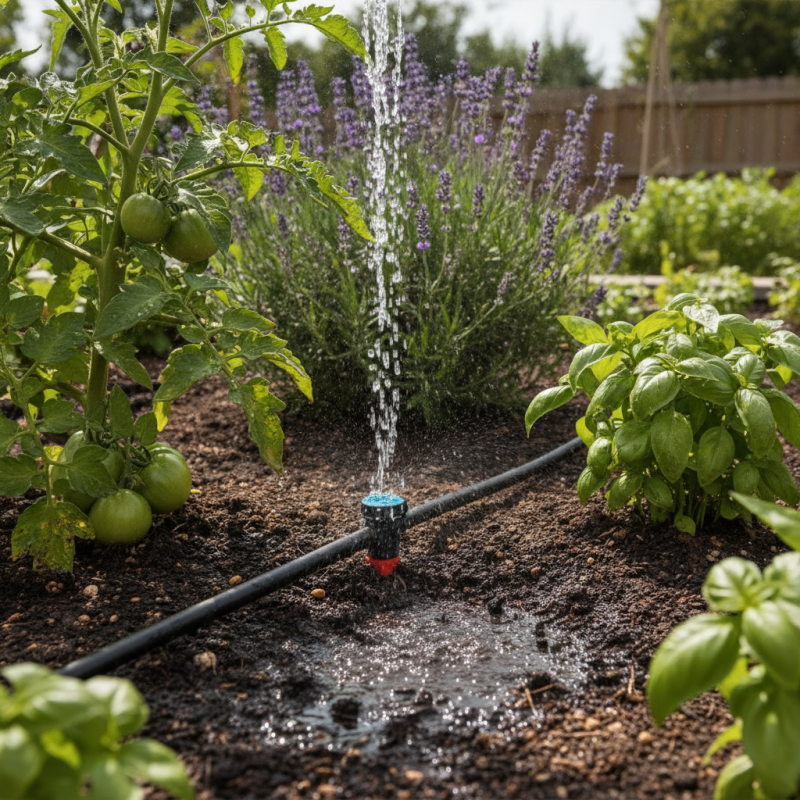
How to Choose the Best Pressure Compensating Dripper for Your Garden?
When selecting the best Pressure Compensating Dripper for your garden, several factors come into play. Understanding these factors can lead to better water efficiency and healthier plants. Pressure compensating drippers adjust water flow based on pressure changes, ensuring consistent delivery.
Choosing the right dripper is crucial for garden health. An efficient dripper saves water and promotes even moisture distribution. However, not all drippers are created equal. Some might not work well in varying conditions. Be aware of the specific needs of your plants. Different plants have differing water requirements.
Exploring the market is essential. You might encounter many brands and types. Each model has its own features and specifications. Reading reviews helps but can also be overwhelming. Focus on trusted brands known for quality and durability. Invest time in research to make an informed decision.
Understanding Pressure Compensating Drippers and Their Benefits
Pressure compensating drippers (PC drippers) are crucial for efficient garden irrigation. They maintain a constant flow rate despite changes in pressure. This is particularly advantageous in uneven landscapes where water distribution can vary. According to a study by the Irrigation Association, using PC drippers can improve water efficiency by up to 30%.
These devices work by utilizing a built-in diaphragm that adjusts to pressure changes. For example, if the pressure drops, the diaphragm expands, ensuring consistent water delivery. This technology can result in healthier plants and reduced water waste. It's estimated that gardens using PC drippers consume 15-20% less water than those with traditional drip systems.
However, while PC drippers offer many benefits, they are not without challenges. Improper installation can lead to uneven water distribution. Regular maintenance is also required to prevent clogging. Many gardeners overlook this aspect, leading to less effective irrigation. Understanding these limitations is key to maximizing the benefits of pressure compensating drippers in your garden.
Factors to Consider When Selecting Pressure Compensating Drippers
When selecting pressure compensating drippers, several factors are crucial for an effective irrigation system. One primary consideration is the flow rate. Different plants have varying water needs. Understanding these needs helps in choosing drippers that deliver the right amount. A garden with succulents requires a different approach than one with tropical plants.
Another important factor is the pressure range. Pressure compensating drippers maintain a consistent flow, even with fluctuating pressure levels. Ensure the drippers can function efficiently at the pressure available in your garden. If the pressure is too low, the dripper may underperform. Testing the pressure can prevent potential issues.
Lastly, consider the durability of the materials. Drippers made from high-quality materials can withstand exposure to sunlight and chemicals. This enhances their reliability over time. However, cheaper options may seem appealing but can fail quickly, requiring replacements. Investing in reliable drippers saves time and effort in the long run. A thoughtful selection process can lead to a more flourishing garden.
Types of Pressure Compensating Drippers for Different Garden Needs
Choosing the right pressure compensating dripper can greatly impact your garden's health. Different plants have unique watering needs. Understanding these needs is essential for a thriving garden.
There are various types of pressure compensating drippers available. For example, adjustable drippers can cater to diverse plant species. They allow gardeners to customize the flow rate. This feature is useful for areas with mixed plant types. On the other hand, inline drippers are more efficient for long runs of garden beds. They distribute water evenly, preventing dry spots.
Tips: Always measure your garden's water pressure. It can vary throughout the day. Testing ensures you select drippers that provide consistent flow. Additionally, consider the layout of your garden. It might reveal unexpected challenges. You might encounter uneven terrain that complicates water distribution.
Another dripper type features built-in filters that help reduce clogging. If you use recycled water, these drippers can prolong the life of your irrigation system. However, they require regular maintenance. Cleaning is necessary to prevent performance issues. Consider this aspect before making a purchase.
Installation Tips for Effective Use of Pressure Compensating Drippers
When installing pressure compensating drippers, the right setup is crucial for optimal efficiency. According to recent agricultural studies, properly installed drippers can increase water efficiency by up to 30%. Choose a layout that minimizes elevation changes. Drippers placed at varying heights can cause uneven water distribution. Measure the slope of your garden to ensure uniformity across all plants.
Bear in mind, the spacing between drippers matters. Studies suggest that spacing every 12 to 18 inches allows for effective coverage without oversaturation. This can prevent root rot in sensitive plants. Look for areas where soil tends to retain water. Adjusting the dripper placement in these zones can lead to better water management. Sometimes, plants thrive with less water; observe your garden's response closely.
Regular maintenance is vital. Clean the drippers at least biannually to prevent clogging. Residue build-up can reduce water flow. Without proper flow, plants suffer, leading to uneven growth. Understanding these details enhances the efficiency of your irrigation system. Reflect on your strategies and remain flexible. This can lead to a healthier garden and optimized water usage.
How to Choose the Best Pressure Compensating Dripper for Your Garden? - Installation Tips for Effective Use of Pressure Compensating Drippers
| Feature | Importance | Ideal Range | Common Applications |
| Flow Rate | Essential for proper watering | 0.5 - 4.0 GPH | Vegetable gardens, flower beds |
| Pressure Compensation | Ensures uniform water distribution | 10 - 30 PSI | Sloped areas, large gardens |
| Emitter Design | Affects filtration and clogging | Inline, pressure compensating | Ornamental plants, trees |
| Material | Durability and longevity | Plastic, metal options | Residential and commercial gardens |
| Installation Ease | Quick setup reduces labor | Snap-fit or threaded connections | DIY gardening, professional setups |
Maintenance Practices to Ensure Longevity of Drippers
Regular maintenance is vital for enhancing the longevity of pressure compensating drippers. Neglect can lead to clogs, reducing efficiency significantly. Studies indicate that nearly 20% of irrigation systems experience performance drops due to buildup. Water quality plays a crucial role. Hard water, with high mineral content, can cause quicker scaling in drippers. Routine inspection of drippers, especially after heavy rainfall or irrigation cycles, helps identify and address issues proactively.
Cleaning the drippers should not be overlooked. Flushing systems periodically can remove sediment and debris. Research from the Irrigation Association suggests that flushing can increase system efficiency by 15%. Use a soft brush for manual cleaning to avoid damaging the components. It's important to inspect the surrounding area for any obstructions or overgrowth that may hinder dripper performance. Implementing these practices not only extends the life of your drippers but also ensures healthier plants and overall garden yields.
Understanding that maintenance is not a one-time task is essential. Consistency is key. Failure to maintain a routine can yield surprising results, such as inefficiencies that might affect crop growth. Engaging with local agricultural extension services can provide insights tailored to specific environments. Keep records of maintenance practices to identify trends that can inform future strategies.
Water Usage Efficiency of Different Pressure Compensating Drippers
This chart illustrates the water usage efficiency of different pressure compensating drippers, highlighting their performance in liters per hour.