How to Choose the Best Large Excavator for Your Needs?
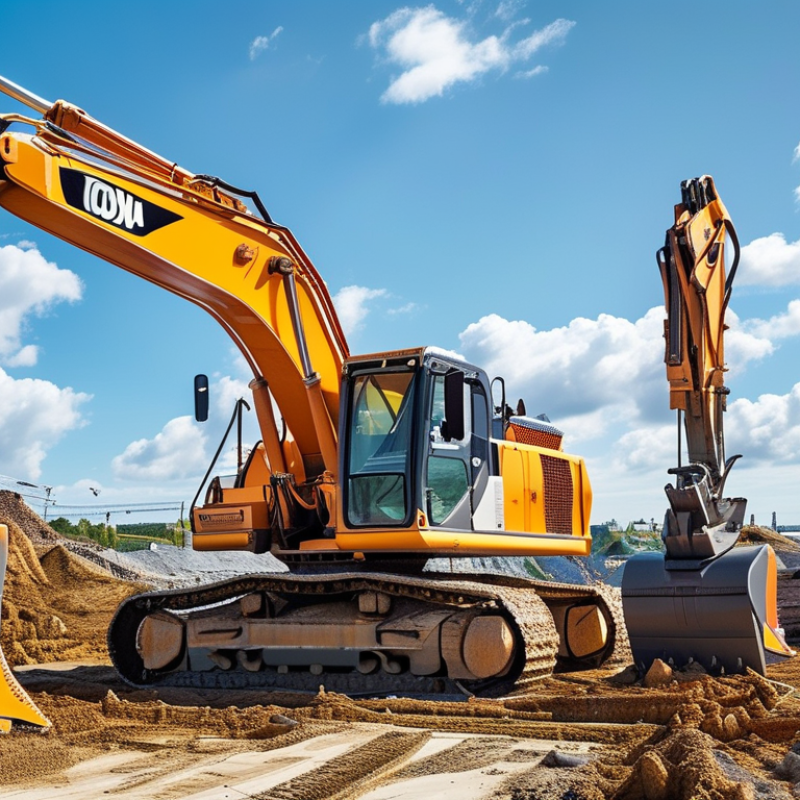
Choosing the right Large Excavator is essential for any construction project. According to industry expert John Richards, “Selecting the right equipment can make or break your job site.” Large excavators are versatile machines, crucial for digging, lifting, and moving heavy materials.
Understanding your specific needs is vital. For instance, consider the type of projects you'll undertake. Will you be working in tight spaces or open areas? The size and power of the machine should align with your tasks. Additionally, factors like operating weight and reach can impact efficiency.
Many buyers overlook ongoing maintenance costs. These expenses can add up quickly, affecting your overall budget. Researching the brand’s reliability and service options will help ensure a smooth operation. A well-chosen large excavator can optimize productivity, yet misjudging the requirements can lead to costly mistakes. Be mindful of your choices.
Understanding Large Excavators: Key Features to Consider
When selecting a large excavator, understanding its features is vital. Start with the size and weight. Larger excavators have more power and stability. Consider the arm length and bucket capacity. These determine the machine's reach and the volume it can handle. A longer arm allows deeper digging. A bigger bucket can carry more material, increasing efficiency.
Next, focus on the engine performance. The horsepower rating impacts overall efficiency. More power can improve speed, but it can also increase fuel consumption. Opt for models with a good balance of power and efficiency. Hydraulics are another key feature. A strong hydraulic system enables better lifting and digging capabilities. Look for user-friendly controls that enhance operation ease.
Pay attention to operator comfort and safety. A comfortable cabin reduces fatigue during long hours. Visibility is crucial for safe operation. Check for safety features like automatic shut-off systems. While features vary, the best excavators provide a mix of power, efficiency, and comfort. Thoughtful selection can lead to better project outcomes. Always consider real-world testing and reviews to guide your choices.
Assessing Your Project Requirements for Excavation
When assessing your project requirements for excavation, understanding the scope is crucial. Consider factors like the type of soil and various site conditions. According to a 2023 industry report, nearly 70% of project failures stem from inadequate site assessments. Proper planning can help mitigate these risks.
Next, analyze the size and depth of excavation needed. For instance, projects requiring deep foundation work may need large excavators with extended reach capabilities. It’s important to note that 80% of construction accidents involve equipment-related issues due to improper usage for specific tasks. This highlights the significance of choosing the right equipment for excavation depth and load capacity.
Lastly, consider the terrain. Rock, clay, and loose soil each require different handling. Many operators report challenges when switching between varying soil types. This inconsistency can lead to increased costs and delays. In fact, project timelines can extend by up to 30% if excavation equipment is not suited to site conditions. Evaluating these elements helps ensure a more efficient and safe excavation process.
Evaluating Engine Power and Performance Specifications
When choosing a large excavator, engine power and performance specs are critical factors. The engine's horsepower directly impacts the machine's digging capability and overall efficiency. A higher horsepower translates to better performance, especially in demanding conditions. However, it is essential to balance power with fuel efficiency. A machine that consumes excessive fuel may not be practical for long-term use, even if it has high power.
Performance specifications also include torque and digging force. These metrics determine how well the excavator can handle tough materials. For instance, a high break-out force enables the machine to dig through hard soil. It's a common mistake to focus solely on horsepower while overlooking these other specs. A well-rounded excavator should have optimal torque and digging power for its intended tasks.
It’s advisable to evaluate your specific needs based on projects and terrain. Consider the weight of the excavator as well. If it’s too heavy for the site, it may cause damage. An ideal model should navigate various environments easily. In the end, the goal is to find balance. Sometimes, less powerful machines can outperform their more robust counterparts in practical scenarios.
Choosing the Right Attachment Options for Versatility
When choosing a large excavator, the right attachments can significantly enhance its versatility. Attachments like buckets, hammers, and grapples can transform how you utilize the machine. Assessing your project needs can help in selecting the most suitable options.
Tips: Consider the weight capacity of your excavator. Heavy-duty attachments might be necessary for tough jobs, while lighter options work for smaller projects. Ensure that the attachments are compatible with your machine’s specifications.
Versatility is key. A multi-purpose bucket can handle various materials, allowing for more efficient operations. However, having too many attachments can be overwhelming. Prioritize those that add real value. Evaluate performance; sometimes, simpler tools can be just as effective.
Think about future projects as well. Choosing widely adopted attachments can save time and money. Remember, the goal is to maximize productivity without complicating your workflow. Your excavator should adapt to your needs, not the other way around.
Budgeting for Purchase and Maintenance Costs of Excavators
When budgeting for a large excavator, understanding all associated costs is crucial. The purchase price is just one part. Consider ongoing expenses like fuel, maintenance, and repairs. Fuel costs can vary significantly based on usage, making accurate predictions challenging. Maintenance can also add up quickly, especially if you're operating in harsh conditions. Regular check-ups are essential to avoid costly breakdowns.
It's also important to factor in training for operators. Skilled operators can enhance productivity but their training incurs extra costs. Additionally, storage and transportation fees may not be immediately obvious. These logistical costs can impact your overall budget. An unexpected fee or two can disrupt financial planning.
Reflecting on previous purchases can provide insights. Have you accounted for all elements in your past budgeting? Learning from experiences is key. The right excavator should not only fit your current projects, but also adapt to future needs. A well-planned budget will ensure that your investment remains viable and productive in the long run.
Excavator Purchase and Maintenance Cost Analysis