How to Choose the Best CNC Gantry for Your Business Needs?
Choosing the right Cnc Gantry for your business can be a daunting task. Expert John Smith, a leading figure in the CNC machinery industry, emphasizes, "A CNC Gantry can significantly enhance productivity when selected wisely." His experience highlights the importance of aligning your specific needs with the features of the machine.
When considering a CNC Gantry, think about your production requirements. What materials will you work with? What are the dimensions of your workspace? These factors will influence your choice. The wrong decision can lead to wasted time and resources.
Furthermore, keep in mind that not all CNC Gantries are created equal. Some might excel in specific applications. Others could underperform. Researching options is crucial to ensure you invest in a machine that meets your operational goals.
Understanding CNC Gantry Machines and Their Advantages for Businesses
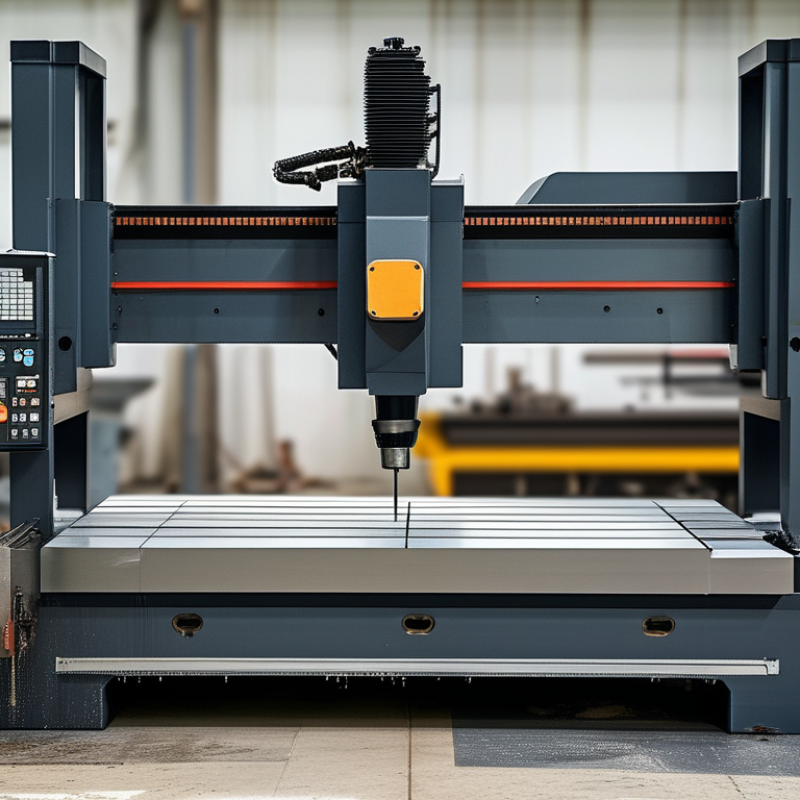
CNC gantry machines are essential for many modern industries. These machines provide precision and efficiency in manufacturing processes. Their design allows them to handle large workpieces with ease. This capability is crucial for businesses that need to produce intricate parts.
Understanding the advantages of CNC gantry machines can help you choose the right one. They offer significant speed advantages. This can lead to increased productivity for your business. Additionally, they promote versatility. You can use these machines for various materials, from metal to plastics. However, choosing the right CNC gantry requires careful consideration of your specific needs.
Some businesses may find the initial investment daunting. It is important to weigh the long-term benefits against the costs. Consideration of space is also vital. Ensure you have the facility to accommodate these machines. Poor placement can affect efficiency and safety. Evaluating your requirements will guide you toward making an informed decision.
Key Factors to Consider When Selecting a CNC Gantry for Your Operations
Choosing the right CNC gantry is crucial for efficient operations. Several factors influence this decision. First, consider the material you will be working with. The gantry must handle specific weights and stresses. According to industry reports, nearly 30% of CNC users cite material compatibility as a top concern.
Another factor is the machine's precision and accuracy. High-precision jobs demand gantries with minimal tolerance levels. Some studies indicate that a 0.01mm discrepancy can significantly affect production quality. Understanding the required precision can guide your selection process.
Lastly, think about the gantry’s size and workspace. The physical space you have will greatly impact your choice. An oversized gantry can limit workflow efficiency. According to recent data, miscalculations in size can lead to a 20% increase in operational costs. Reflect on your specific needs to avoid costly mistakes. Careful consideration will help you make an informed decision tailored to your business operations.
Factors to Consider When Choosing a CNC Gantry
Evaluating Precision and Tolerance Standards in CNC Gantry Selection
When selecting a CNC gantry, precision and tolerance are crucial. Precision refers to how closely a machine can achieve the desired dimensions. Tolerance indicates the allowable deviation from those dimensions. According to the Precision Engineering Research Association, high-end CNC gantries can achieve tolerances as tight as ±0.001 mm. This level of precision is essential for industries like aerospace and medical manufacturing.
Tips: Consider your specific application. Does it demand high precision? Evaluate the tolerance standards of different models. Manufacturing processes benefit from a lower tolerance percentage, which reduces the likelihood of defects.
Most CNC gantries are capable of varying levels of precision. However, not all applications require the same standards. Some tasks may tolerate a deviation of ±0.1 mm or more. This difference can impact material waste and rework costs. A report from the Manufacturing Technology Centre highlights that companies often underestimate the variability in their processes, which can lead to costly mistakes.
Tips: Assess historical data on your production processes. Understanding past precision levels will guide your decision. Additionally, ensure your team is trained to measure and maintain the desired tolerances consistently. Regular calibration can prevent drift over time and prolong machine life.
Analyzing Material Compatibility and Machine Specifications
Selecting a CNC gantry involves understanding material compatibility and machine specifications. Different materials require different cutting tools and settings. For instance, metals may need higher RPMs compared to softer materials like wood or plastic. Knowing your primary materials can significantly impact your productivity and the end quality of your work.
Machine specifications play a crucial role. Consider the gantry's rigidity, weight capacity, and cutting speed. A robust machine can handle tougher materials with precision. However, an overly powerful machine may waste energy when cutting softer materials. Balancing power and precision is essential. Many users overlook this aspect, leading to inefficient operations.
Impactful choices also include considering the software compatibility. Not all machines work seamlessly with every CAD/CAM software. This can create hiccups in workflow. It's vital to ensure that the gantry integrates smoothly with your existing systems. Often, users discover these issues only after purchase. Prior testing can save time and resources in the long run.
Cost-Benefit Analysis: Investment vs. Expected Returns in CNC Gantries
When evaluating CNC gantries for your business, a cost-benefit analysis is crucial. Studies show that businesses spend $100,000 to $1 million on CNC equipment, depending on their capabilities and features. This investment must align with projected returns. For instance, manufacturers report improvements in production efficiency by up to 30% when upgrading from older machines to newer, automated CNC gantries.
The expected returns can vary considerably. A well-selected CNC gantry can reduce labor costs by 25% and decrease material waste by 15%. These metrics demonstrate the importance of initial investment versus long-term benefits. However, businesses must also consider maintenance costs, which can range from 5% to 10% of the initial investment per year.
It's important to reflect on your specific requirements. The complexity of your projects will dictate the specifications you need. Overestimating your demands can lead to wasted resources, while underestimating them could result in inefficiencies. Prioritize understanding your workflow. A granular approach will help you determine the right CNC gantry that serves both current and future needs effectively.