


Material Testing Blog

HomeMaterial Testing Blog

How to Choose the Best 1.5HP Brushless Motor in 2026?

Choosing a 1.5hp Brushless Motor in 2026 means looking beyond the number on its nameplate. Horsepower describes output, but it does not tell you whether the motor suits your load, operating hours, or available controller. A pump, conveyor, and workshop machine can demand very different starting torque and speed control. The right choice begins with the job.

Motor-drive authority Dr. R. Krishnan’s engineering work offers a useful principle, paraphrased here: “Match the motor to the load and drive, not horsepower alone.” Treat that as a guide, not a direct quotation. Check the torque curve, rated voltage, speed range, controller compatibility, and duty rating. Then compare the motor’s mounting dimensions with your frame. A few millimeters can matter. So can airflow around the housing.

Look closely at efficiency and thermal limits, especially if the motor will run for long shifts. Confirm whether the quoted power is continuous or peak output; product listings do not always make this clear. Even experienced buyers miss details. That happens. A quieter motor may cost more, while a compact model may need better cooling. There is no universal best choice. This guide explains how to compare specifications, verify seller claims, and select a 1.5hp Brushless Motor for your actual operating conditions. Where data is missing, pause and ask the manufacturer. A confident guess is still a guess.
How to Choose the Best 1.5HP Brushless Motor in 2026?

Understanding 1.5HP Brushless Motors and Their Core Components

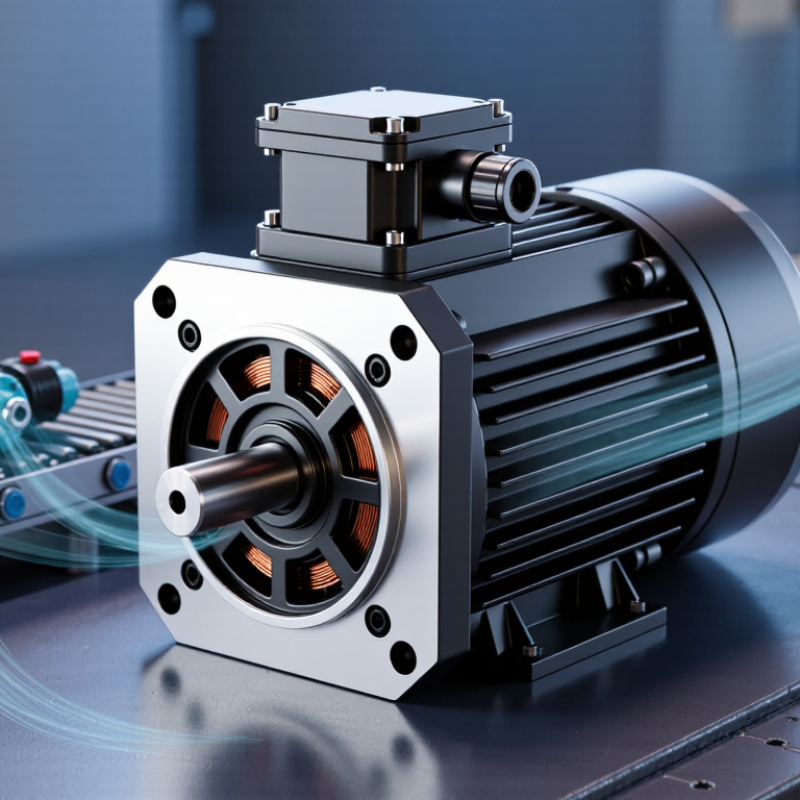
A 1.5HP brushless motor is rated near 1.12 kW of mechanical output, but the label alone does not tell you how it performs under load. Check the rated speed, torque curve, voltage, and duty rating against your machine’s needs. Inside, the stator’s copper windings create a rotating magnetic field, while permanent magnets on the rotor follow it. An electronic controller switches current through the windings. Some motors use position sensors; others estimate rotor position electronically. Both approaches can work well, though low-speed behavior may differ. Heat matters.

Bearings support the shaft and affect noise, vibration, and service life. Cooling also matters: a compact housing with limited airflow may run hotter during repeated starts or heavy loads. I would not treat one efficiency figure as a verdict. Test conditions and the motor’s actual workload can change the result.

Tips: Match the motor’s voltage and mounting dimensions to your equipment before comparing prices. Ask for a speed-torque curve and continuous-duty rating, not just peak power. If possible, check temperature and vibration during a realistic operating cycle. A small mismatch in shaft size can create avoidable installation work. Measure twice.

Matching Motor Speed, Torque, and Voltage to Your Application

How to Choose the Best 1.5HP Brushless Motor in 2026?
Matching Motor Speed, Torque, and Voltage to Your Application

A 1.5HP rating describes power, not how well a motor suits your machine. Check the required shaft speed and torque at the same time. A motor turning quickly may deliver less torque than your application needs at low speed. For a conveyor carrying boxes, steady starting torque can matter more than a high unloaded RPM. Ask for the motor’s rated torque and speed, then compare them with the load’s operating range. Measure under load. A calculation is only a starting point; real loads rarely behave perfectly.

Voltage must match the motor and its controller. A higher supply voltage does not automatically mean better performance. It can change current, heat, and control requirements. Check the stated voltage range, controller limits, and expected duty cycle before choosing. For example, a machine that runs for several hours may need different thermal headroom than one used for brief cycles. That detail matters. If the motor will start frequently or face sudden resistance, allow for those peaks rather than sizing around average demand alone. When possible, test the setup at the actual operating speed and load, and record current and temperature. One estimate may miss a rough start or a warm enclosure.

How to Choose the Best 1.5HP Brushless Motor in 2026?

Match motor speed, torque, and voltage to your application.

At a constant 1.5 hp (about 1,119 W) of mechanical output, ideal shaft torque decreases as speed rises. Values are calculated from output power and rotational speed; actual rated torque can differ because of motor efficiency and operating limits. Horsepower alone does not determine the correct voltage: match the motor and controller voltage ratings to your power supply, and check that the motor can deliver the required torque at your application’s operating speed.

Evaluating Efficiency, Duty Cycle, and Environmental Requirements

A 1.5HP brushless motor should be matched to the work it will actually do, not just its nameplate rating. Check whether the stated power is continuous output and compare it with the load’s starting torque and operating speed. A motor running near its efficient range may use less energy, but real results depend on the controller, supply voltage, and load. Small details matter.

Duty cycle is easy to overlook. A pump or conveyor that runs for hours needs a motor rated for continuous operation; a short-cycle machine may have different thermal demands. For frequent starts, stops, or changing loads, check the manufacturer’s torque and temperature data rather than relying on horsepower alone. A duty-cycle label is useful, but it may not reflect a hot, enclosed installation. That gap deserves attention.

Environmental conditions can change the choice. Fine dust, moisture, vibration, and high ambient temperatures affect cooling and service life. Confirm the enclosure rating and permitted temperature range, then allow space around the motor for airflow. A tight cabinet can turn a suitable motor into an overheated one. Ask for efficiency figures at the speed and load you expect, not only at peak conditions. Keep a simple record of operating temperature and current after installation; it can reveal a mismatch before performance noticeably drops.

Comparing Controllers, Mounting Options, and Safety Features

How to Choose the Best 1.5HP Brushless Motor in 2026?

Comparing Controllers, Mounting Options, and Safety Features

For a 1.5HP brushless motor, match the controller to the motor’s rated voltage, continuous current, and peak load—not just its horsepower. Confirm the control method and feedback sensor are compatible, especially if the motor must run slowly or reverse often. A controller with adjustable acceleration and current limits can reduce jolts during startup.

The International Energy Agency’s 2011 report, Energy-Efficiency Policy Opportunities for Electric Motor-Driven Systems, estimates that motor-driven systems use 43–46% of global electricity. That figure covers many types of systems, but it shows why efficient matching matters.

Small details matter.

Mounting is equally practical. Check the frame, shaft diameter, bolt pattern, and available clearance against the machine before ordering. Poor alignment can cause vibration, noise, and premature bearing wear. A tidy specification sheet can still hide a mismatch; measure the actual mounting surface if possible.

For safety, look for thermal overload protection, overcurrent limits, and a clear emergency-stop arrangement. Guard rotating shafts, and provide suitable grounding and power isolation during service. Requirements vary by application, so verify the motor and controller documentation together. I would not treat a safety feature list as proof of a safe installation. The surrounding machine matters too.

Checking Compatibility, Warranty, and Long-Term Operating Costs

A 1.5HP brushless motor should match the machine, not just its power rating. Check the supply voltage, phase, shaft diameter, mounting pattern, and available space before ordering. Confirm that the motor’s speed range and controller suit the equipment’s actual load. A mismatch can cause extra heat, vibration, or disappointing performance. Small details matter.

Tips: Photograph the existing motor label and measure the shaft and bolt spacing. Ask the supplier to confirm compatibility in writing. Check warranty length, coverage for the controller, and who handles shipping or labor for a repair. Read exclusions carefully; wear parts and incorrect installation may not be covered.

Estimate long-term cost using your expected hours, electricity rate, and typical load—not just the purchase price. Compare energy use at the operating point, since efficiency can vary with speed and load. Include likely maintenance, downtime, and replacement costs in your estimate. A simple spreadsheet helps, though your workload may change more than expected. Verify the motor’s rated duty cycle and operating conditions, too. Keep the invoice and installation records; they can make a warranty claim easier to assess.

How to Choose the Best 1.5HP Brushless Motor in 2026? - Checking Compatibility, Warranty, and Long-Term Operating Costs
Selection scenario Electrical and drive compatibility Mechanical checks Warranty checks Illustrative annual energy cost
Replacing an existing motor Match the motor’s rated voltage, phase, speed range, and current to the supply and controller. Confirm the controller supports the motor’s brushless type and feedback method; an induction-motor drive may not be suitable. Compare frame, shaft diameter and length, keyway, mounting pattern, rotation, and allowable load. Check that the motor’s rated speed meets the driven equipment’s requirements. Get the written warranty term and start date. Check coverage for the motor, drive, and feedback components separately, plus exclusions for installation, overload, dust, moisture, and repairs. 2,000 operating hours/year: $375
Adding variable-speed control Check that the motor and drive are a compatible set. Verify input supply requirements, drive output voltage and current, speed range, control interface, and whether an encoder or other feedback device is required. Confirm the motor can operate over the intended speed range without exceeding its permitted temperature or load. Check whether the application needs a brake, forced cooling, or a particular enclosure rating. Confirm whether commissioning, parameter setup, and use with a separately purchased drive affect warranty eligibility. Retain installation and maintenance records. 1,000 operating hours/year: $188
Frequent starts or high duty cycle Check the drive’s continuous and peak current ratings against the motor’s nameplate data and the application’s acceleration and braking demands. Confirm the drive supports the required start/stop frequency. Verify rated torque across the operating range, thermal limits, cooling needs, and suitability for repeated acceleration. Allow for the driven load’s inertia and any required braking equipment. Ask how the warranty treats high cycle counts, overload events, and operation outside specified ambient temperature or duty conditions. 4,000 operating hours/year: $750
Outdoor, dusty, or damp location Check the motor and drive environmental ratings separately. Confirm supply compatibility and whether the drive needs a protected enclosure or additional cooling in the installation location. Select an enclosure and shaft-sealing arrangement appropriate to the actual exposure. Check ambient-temperature limits, ventilation clearance, corrosion protection, and cable-entry sealing. Verify that the written warranty covers the stated environment and installation conditions. Check required inspection intervals and approved cleaning or maintenance methods. 2,000 operating hours/year: $375

Cost estimate assumptions: A 1.5 hp rating is approximately 1.12 kW of mechanical output. The illustrative energy costs use an assumed average electrical input of 1.25 kW and an electricity rate of $0.15 per kWh: input power × annual operating hours × electricity rate. Actual input and costs depend on load, motor and drive efficiency, speed, operating schedule, and local electricity prices; purchase, installation, maintenance, and downtime costs are excluded.

Go to Top