Why Choose Shimadzu Universal Testing Machine for Your Testing Needs?
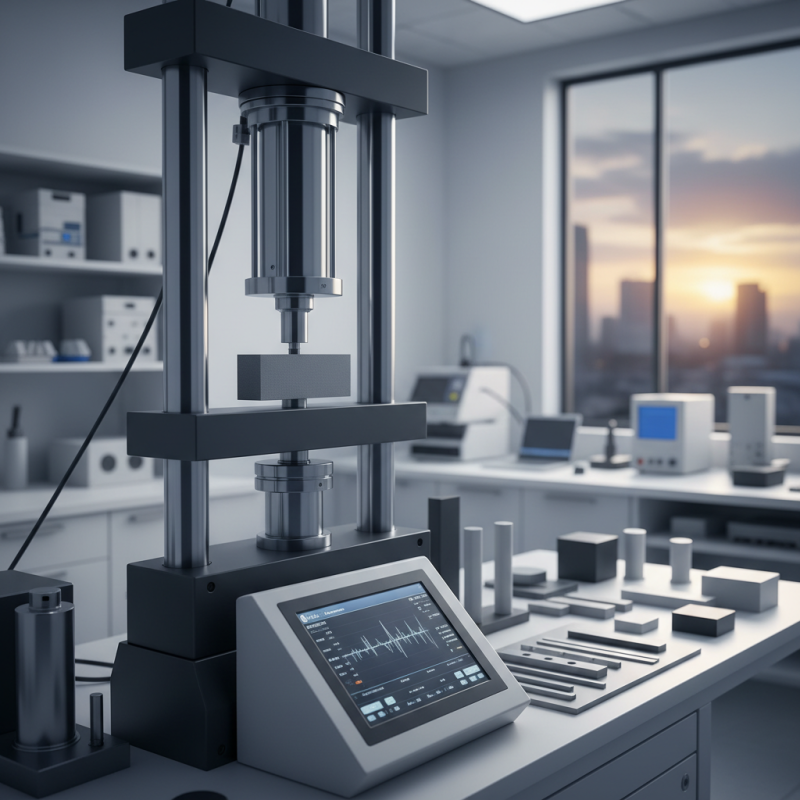
When it comes to testing materials, the importance of precision cannot be overstated. The Shimadzu Universal Testing Machine stands out as a reliable tool for various testing needs. Its design caters to multiple industries, enhancing accuracy and efficiency in measurements.
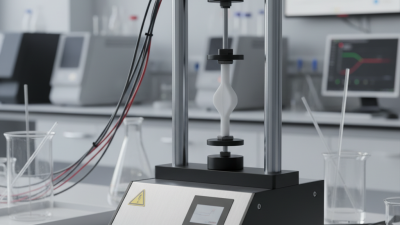
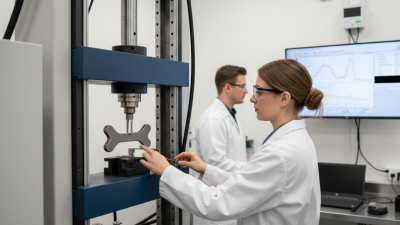
This machine handles tensile, compression, and bending tests with ease. Its advanced technology ensures that results are reproducible and trustworthy. With user-friendly interfaces, even novice users can operate it effectively. However, some may find the initial setup a bit challenging. Users need to familiarize themselves with the software and settings.
The Shimadzu Universal Testing Machine has gained popularity for its versatility. Yet, its high cost can be a barrier for smaller companies. Users must weigh the benefits against their budget constraints. Overall, investing in the right testing machine is crucial for quality assurance in any field.
Key Features of Shimadzu Universal Testing Machines
When it comes to universal testing machines, several key features make them indispensable for various testing needs. These machines excel in providing precise measurement capabilities across different materials. They accommodate not just tensile testing but also compression, bending, and shear tests. This versatility is crucial for industries that require a comprehensive understanding of material properties.
Another standout feature is the user-friendly interface. Many modern testing machines come equipped with intuitive software. This software guides users through the testing process, making it easier for both beginners and veterans. However, the wealth of options can sometimes overwhelm new users. They may struggle to find the right parameters for their specific needs.
Flexibility often leads to a steep learning curve. Users may need time to familiarize themselves with the machine’s capabilities. Additionally, data interpretation can be complex, necessitating further training. Such challenges highlight the importance of ongoing education. Having resources available for troubleshooting or advanced techniques is essential. Ultimately, while universal testing machines offer impressive features, understanding how to maximize these capabilities is an ongoing journey.
Key Features of Universal Testing Machines
Industry Applications and Use Cases of Shimadzu Testing Machines
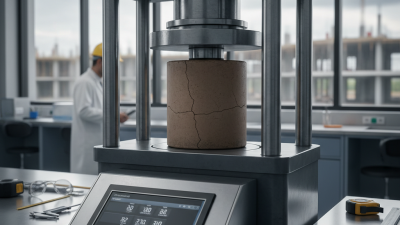
When selecting a testing machine, consider its versatility across various industries. Different sectors require specific testing methods to ensure product quality. For example, the construction industry values machines that can perform compression and tensile tests on materials like concrete and steel. These tests are crucial for assessing material strength and durability.
In the automotive sector, testing machines play a vital role in quality control. They can simulate stress and wear on components, ensuring safety and reliability in vehicles. Pharmaceutical manufacturers use testing equipment to evaluate the mechanical properties of packaging materials. These tests help maintain product integrity during transportation and storage.
Applications extend to electronics, where testing machines assess the durability of circuit boards and components. However, not every machine meets the diverse needs of these industries. Some may struggle with high load capacities, while others may lack software compatibility for advanced analysis. Reflecting on the machine’s limitations is important. Ensuring you choose a testing solution that aligns with your specific requirements can significantly enhance your testing processes.
Comparative Performance Statistics: Shimadzu vs. Competitors
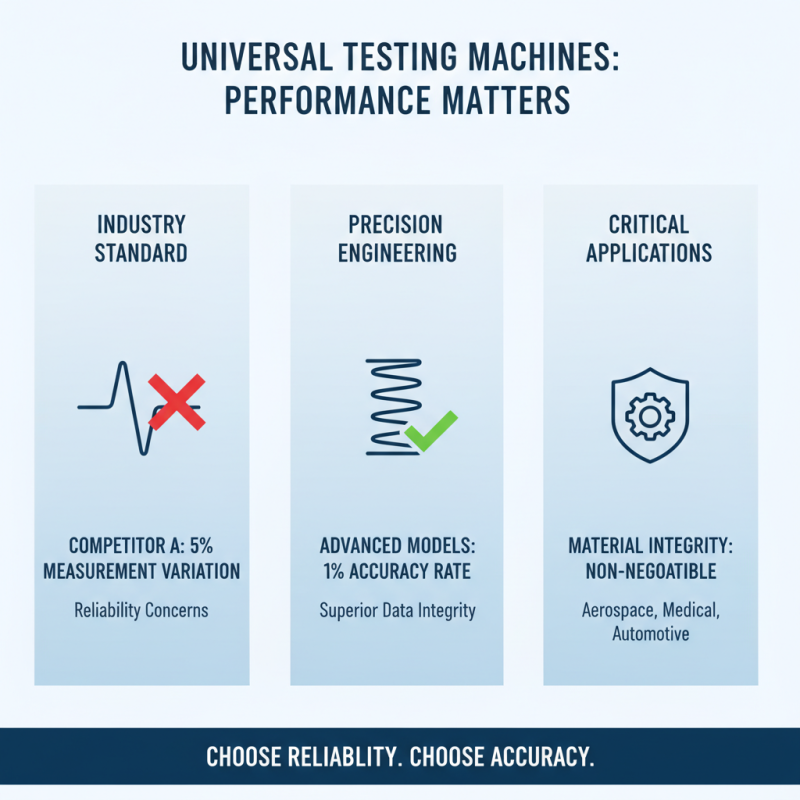
In the competitive landscape of universal testing machines, performance statistics reveal critical differences. Recent industry reports demonstrate that accuracy and reliability are paramount for testing equipment. Notably, a leading competitor reported a 5% variation in measurement, while advanced models maintain an impressive 1% accuracy rate. Such precision is vital in applications where material integrity is non-negotiable.
When considering long-term investment, reliability is essential. A notable statistic shows that machines with high uptimes lead to reduced operational costs. When a machine is down for maintenance, every hour counts. Productivity can dip by an estimated 15% during downtime. Users should recognize the importance of selecting equipment that minimizes interruptions.
**Tip:** Regular maintenance can enhance performance longevity. Simple tasks can ensure machines operate at top efficiency.
In real-world testing scenarios, the user experience matters significantly. Some testing machines do not offer intuitive interfaces, creating steep learning curves for new operators. Regulatory compliance is another area where equipment performance can lag. A recent survey indicated that 30% of operators faced challenges in adhering to industry standards due to outdated machines. Addressing these points leads to better testing outcomes.
**Tip:** Invest in training for operators. Well-trained staff can maximize the potential of the equipment.
User-Friendly Interface and Data Analysis Capabilities
When selecting a universal testing machine, usability is crucial. A user-friendly interface simplifies the testing process. Operators can navigate through various settings easily. This minimizes training time for new users. A clear layout enhances workflow efficiency. Users spend less time figuring out controls and more on important tests.
Data analysis capabilities are equally significant. The machine can provide real-time results during tests. This feature helps in making immediate adjustments if needed. Graphical representations of data allow users to identify trends quickly. An intuitive software package can make complex data much easier to analyze. Users often encounter challenges while interpreting results. However, a well-designed interface can reduce confusion.
Feedback from users suggests a continuous improvement loop. There are still areas where some interfaces can be refined. A machine that anticipates user needs can improve overall performance. The goal should always be to enhance usability and accuracy in data interpretation. With the right approach, the testing experience becomes more streamlined and productive.
Certifications and Compliance of Shimadzu Testing Equipment
When selecting a universal testing machine,
certifications and compliance are crucial.
Many testing machines meet industry standards. However, not all machines are created equal. Some brands may only focus on passing basic certifications, while others ensure comprehensive compliance.
A well-certified testing machine guarantees accuracy and reliability.
These machines undergo rigorous testing to align with established standards. They are important for various applications, including materials testing and quality assurance.
Understanding the certifications helps users make informed decisions.
An unverified machine may lead to inconsistent results.
Moreover, the manufacturing process impacts compliance. Machines built with quality materials often demonstrate longevity. However, cheaper components can fall short.
Users must be aware that not all certifications are equal. Some might lack real-world relevance.
The right equipment can make a significant difference in testing outcomes.
Investing in a compliant machine can save time and resources in the long run.