How to Choose the Best Peel Tester Machine for Your Needs?
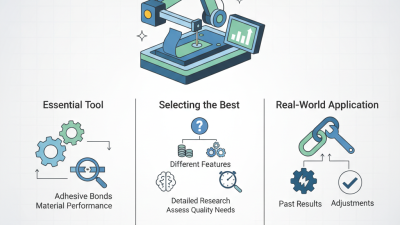
Choosing the right peel tester machine can be challenging. With various options available, it’s crucial to understand key features and functions. A peel tester machine measures the adhesion strength of materials. This is vital for industries that rely on high-quality bonding.
Consider the specific requirements of your application. Factors like material type, thickness, and environmental conditions matter. A peel tester machine should cater to the specific needs of your project. However, it's easy to overlook essential details. For instance, the machine's calibration might not be accurate, leading to misleading results.
Evaluating the options requires careful thought. Are you prioritizing accuracy or user-friendliness? Each choice may have its trade-offs. As you explore, reflect on what truly suits your requirements. Don't rush the decision; a peel tester machine is an investment. Take time to analyze, and you will find the right fit.

Understanding Peel Testers: What They Are and Their Applications
Peel testers are essential instruments in various industries. They measure the peel strength of materials, such as adhesives and films. Accurate testing helps ensure product quality and reliability. According to a recent industry report, improper adhesion can lead to product failures in about 30% of cases, emphasizing the need for effective peel testing.
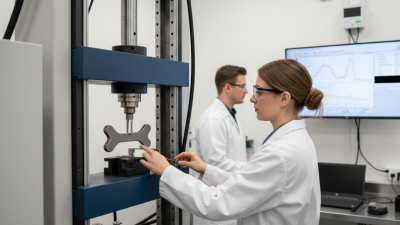
Understanding how peel testers operate is crucial. They apply a force to separate two bonded materials. This process quantifies adhesion performance. Various applications exist, like packaging, automotive, and electronics. For instance, in packaging, poor adhesive strength can affect shelf life. Some reports suggest that about 25% of product returns are due to packaging failure, which could be mitigated by better testing.
Despite their importance, some manufacturers overlook peel testing. It’s common to skip it for cost reasons. However, the long-term savings can be significant. Investing in a reliable peel tester can prevent costly failures. There’s a clear need for reflection on current practices in many companies. Prioritizing adhesive testing may lead to better product outcomes.
Peel Testers Performance Comparison
This chart presents a comparison of peel strength values for various materials tested using different peel testers. The values represent the average peel strength (in N/25mm) measured during testing.
Key Factors to Consider When Choosing a Peel Tester Machine
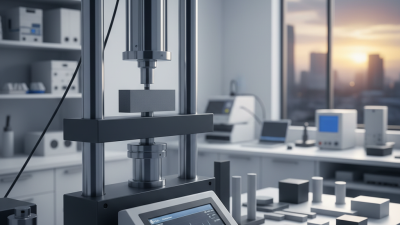
When selecting a peel tester machine, several factors are crucial to ensure you meet your specific needs. The first consideration should be the type of materials you will test. Different materials, such as films, foils, or adhesives, may require specific testing methods. Ensure the machine you choose can accommodate the thickness and properties of your materials.
Another important factor is the testing standards. These standards vary across industries and regions. Familiarity with these can help you select a machine that meets regulatory requirements. Complexity in testing features should also influence your decision. Some machines have advanced capabilities like multi-directional peel testing, while others may be simpler. It is essential to reflect on whether you need advanced features or if basic functionalities will suffice.
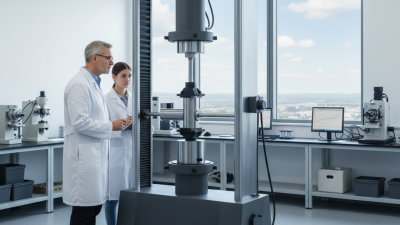
Additionally, think about the machine's usability. A user-friendly interface is vital, but ease of maintenance matters too. If the machine is too complicated, it can lead to operational errors. Pay attention to customer support and available training resources. Sometimes, these aspects can significantly impact your testing processes and outcomes. Ultimately, choosing the right peel tester machine requires careful consideration of your unique testing needs.
Types of Peel Testers: Manual vs. Automated Options
When selecting a peel tester, understanding the types available is essential. Manual peel testers require human intervention. Users perform the tests by attaching samples and pulling at a controlled speed. This method can be time-consuming and may introduce variability due to human error. It suits environments where fewer tests are needed or budget constraints exist.
On the other hand, automated peel testers offer precision and efficiency. They perform tests consistently without human involvement. This is perfect for high-volume testing scenarios where reliability is key. However, the initial investment is higher. Users should consider their specific needs. An automated system might save time but may have a steeper learning curve. Balancing these factors is crucial. Reflecting on your testing frequency and volume can guide your decision-making process. Will you face challenges with manual methods? Or is investing in automation justified?
Evaluating the Specifications: What to Look For in a Peel Tester
When selecting a peel tester machine, specific features are essential for optimal performance. Look for machines that offer various testing speeds. Different materials often require varying speeds for accurate results. If the machine is too fast, it might not provide the data you need. A slower test could misrepresent material strength.
Consider the maximum force and range of measurements. This ensures the machine can handle diverse applications. Testing a variety of surfaces may demand different maximum limits. It's not just about strength; it should also allow for flexibility in testing. If limits are set too low, you might find yourself constrained.
Digital displays can enhance your testing experience. They provide clear readings and often include data logging features. However, some machines might have complex interfaces. If you find yourself confused, it could deter proper usage. Strive for a balance between sophistication and usability. After all, having advanced features is pointless if they complicate your workflow.
Budget Considerations: Finding the Right Peel Tester for Your Needs
Choosing the right peel tester machine can be daunting. Many options exist, each varying in price and features. A good budget is essential. It helps narrow your choices and ensures you pick a machine that fits your needs.
Start by setting a clear budget. Consider not just the initial cost but also potential maintenance expenses. Some machines appear cheaper but require costly repairs later. Think about how often you will use it. Daily use might justify a higher quality model. You want durability.
Involve your team in the decision-making process. Their insights can highlight features that you might overlook. It's okay if you can't find the perfect machine. Often, compromises are necessary to stay within budget. Paying attention to user reviews can guide your choices. Remember, a well-suited machine can enhance efficiency, even if it's not top-tier. The goal is to find balance.