


Material Testing Blog

HomeMaterial Testing Blog

China Top JS1500 Concrete Mixer Price and Specifications

Choosing the right China Top Js1500 Concrete Mixer requires more than comparing online prices. Buyers must examine capacity, mixing quality, power demand, service support, and delivery conditions. The Js1500 Concrete Mixer is widely considered for medium and large construction projects. Its practical output can suit concrete plants, road work, bridges, and building foundations.

Zhang Wei, a senior concrete equipment engineer with more than 15 years of field experience, says, “A mixer proves its value through consistent concrete, not through a low purchase price.” That observation matters on busy sites. A strong JS1500 unit should produce a uniform mix while handling cement, sand, stone, and water with stable timing. Operators should also inspect the mixing blades, discharge gate, gearbox, lubrication points, and control system. Small design details can affect daily productivity.

The numbers are not always tidy. Prices change with steel costs, motor brands, configuration, export packaging, and after-sales terms. Some suppliers quote only the machine body. Others include motors, spare parts, installation guidance, or shipping support. This difference can make a low quotation less attractive after delivery.

This guide will review China JS1500 Concrete Mixer prices and specifications in practical terms. It will compare technical data, useful options, maintenance needs, and purchasing risks. Readers should still confirm current details with manufacturers. Product specifications may change. A careful buyer checks every item before signing. That step feels slow, but it can prevent expensive site delays.
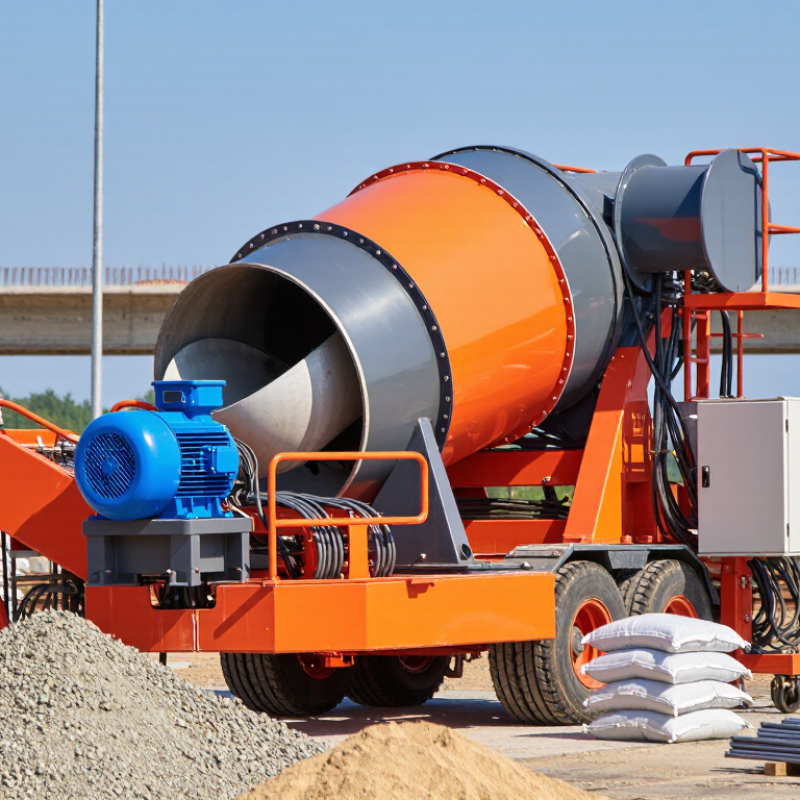
China Top JS1500 Concrete Mixer Price and Specifications

JS1500 Concrete Mixer Overview and Main Applications

A JS1500 concrete mixer is a twin-shaft machine designed for demanding concrete production.

Its nominal batch capacity is about 1.5 cubic meters. Depending on cycle time, material supply, and operator skill, output may reach roughly 60–75 cubic meters per hour. Actual results vary.

In field operations, the mixer works well with cement, sand, stone, water, and controlled additives. Twin horizontal shafts spread the materials across the mixing chamber. This helps produce consistent concrete for foundations, bridge components, floor slabs, and precast elements.

The machine requires a stable foundation and reliable electrical power. Specs are not everything.

For purchasing teams, JS1500 concrete mixer price depends on shaft materials, motor power, control systems, spare parts, and shipping distance.

A responsible quotation should list installation, testing, operator training, and after-sales support. The cheapest offer may create higher maintenance costs later.

I would check shaft seals, liner thickness, discharge speed, and cleaning access before approval. These details matter during long production shifts.

This mixer also fits commercial batching plants and large construction sites. It can support concrete roads, industrial buildings, and water-related structures.

Moisture changes in sand can affect the final mix, so operators should adjust water carefully. Poor cleaning can harden concrete around the discharge gate. That mistake is common. Daily inspection remains necessary.

Key Specifications of the JS1500 Concrete Mixer

The JS1500 concrete mixer is designed for medium to large batching operations. Its nominal discharge capacity is approximately 1.5 cubic meters per batch. A typical mixing cycle takes about 45 to 60 seconds, depending on material moisture and loading efficiency. That difference matters.

Common configurations use twin horizontal shafts and two electric motors, often totaling 60 to 75 kW. The maximum aggregate size is usually around 80 millimeters, while the discharge height may range from 3.8 to 4.2 meters. These figures can change with the selected frame, hopper, and outlet arrangement.

In practical operation, the mixer may reach roughly 60 to 75 cubic meters per hour. This output assumes steady feeding, correct water dosing, and short discharge delays. Wet sand can slow the cycle. One overlooked specification is the mixing blade material. Wear-resistant liners reduce maintenance when producing coarse concrete, but they also increase initial cost. I would not judge the machine by capacity alone. Check shaft sealing, access doors, emergency stops, and spare-part availability. Small design details often decide whether cleaning takes ten minutes or nearly an hour. Actual performance should be verified through a site test, because published figures rarely reflect every working condition.

How the JS1500 Concrete Mixer Works

China Top JS1500 Concrete Mixer Price and Specifications

How the JS1500 Concrete Mixer Works

A JS1500 concrete mixer commonly uses twin horizontal shafts and compulsory mixing paddles. Its rated discharge volume is about 1.5 cubic meters per batch. The shafts rotate in opposite directions, lifting aggregates through cement paste and water. This creates stronger circulation than a simple drum mixer.

A typical cycle lasts around 60 seconds, although loading and discharge extend the complete cycle. Many specifications indicate theoretical outputs near 60–75 cubic meters per hour. Real production is usually lower. Moisture variation, delayed feeding, and poor gate operation reduce efficiency. The American Concrete Institute recommends controlling sequence, mixing time, and uniformity rather than trusting rated capacity alone.

Operators should load coarse aggregate, cement, sand, and water in a controlled sequence. The paddles then break dry pockets and spread paste across each particle. ASTM C94/C94M uses uniformity requirements to evaluate ready-mixed concrete performance, including aggregate distribution and mortar consistency. These checks matter more than an attractive equipment sheet.

A 2023 International Energy Agency report estimates cement production causes about 7% of global energy-related carbon dioxide emissions. Better batching can limit rejected loads and wasted materials. Still, a mixer cannot correct inaccurate weighing. That assumption needs reconsideration. Price depends on motor configuration, liners, discharge height, automation, and local installation conditions.

China JS1500 Concrete Mixer Price Factors

China Top JS1500 Concrete Mixer Price and Specifications

China JS1500 concrete mixer pricing depends on more than mixing volume. A typical JS1500 specification lists a 1.5 m³ discharge per batch and theoretical output near 75 m³ per hour. Actual output falls when loading, mixing, and discharge take longer. Motor power, twin-shaft design, reducer quality, steel thickness, and control equipment can change the quotation significantly. The International Energy Agency reports that global cement production reached about 4.1 billion tonnes in 2022. It also identifies cement as responsible for roughly 7% of global carbon dioxide emissions. This scale keeps demand strong, but energy and steel costs remain important price drivers.

Shipping distance creates another visible difference. Port charges, inland transport, import duties, installation support, and spare-part packages may sit outside the factory price. A reinforced frame costs more, yet it can reduce vibration on busy sites. Automatic lubrication and moisture sensors also raise the initial cost. Their value depends on maintenance habits and local labor costs. A cheaper mixer is not always economical. A higher specification is not always necessary.

Tips: Request a complete quotation. Ask for batch capacity, cycle time, motor rating, machine weight, and warranty terms. Confirm whether the quoted output is theoretical or field-tested. Compare at least three offers using identical specifications. Check the real numbers. I would also inspect weld quality, shaft sealing, and replacement-part availability. These details are easy to overlook, and that is where many purchasing assumptions become expensive.

China Top JS1500 Concrete Mixer Price and Specifications - China JS1500 Concrete Mixer Price Factors

Category Specification or Price Factor Typical JS1500 Value or Range Effect on Price and Selection
Core Specifications Mixer type Twin-shaft forced concrete mixer Twin-shaft designs generally provide fast, intensive mixing and are commonly used in commercial concrete production.
Rated discharge capacity 1,500 litres per batch The rated volume is a key identifier of the JS1500 class and affects the required batching-plant capacity.
Theoretical production capacity Approximately 75–90 m³/hour Actual output depends on material loading, recipe, mixing time, discharge time, and operator efficiency.
Approximate charging volume About 2,400 litres A larger charging volume allows sufficient space for aggregate, cement, water, and additives before mixing.
Maximum aggregate size Up to approximately 80 mm The practical limit depends on aggregate shape, moisture, mix design, and liner configuration.
Main mixing drive Commonly 2 × 30 kW motors Motor rating, electrical standard, and motor efficiency class can significantly change the quotation.
Waterproofing and dust protection Sealed shaft ends, covers, and inspection access Improved sealing and dust-control equipment usually increase the initial cost but may reduce maintenance.
Approximate machine weight About 12–15 tonnes Weight varies with the frame, discharge arrangement, liners, drive system, and included accessories.
Typical installation footprint Approximately 8.0–8.5 m long × 3.0–3.2 m wide, excluding service clearance The supporting structure, maintenance access, aggregate bins, and cement-transfer equipment require additional space.
Indicative Price Factors Basic JS1500 mixer unit Approximately USD 18,000–30,000 Usually refers to the mixer body and standard drive arrangement; it may exclude transport, tax, installation, and spare parts.
Mixer with upgraded liners and wear parts Approximately USD 23,000–38,000 High-wear liners, reinforced paddles, and improved shaft seals increase service life and purchase cost.
Complete batching-plant configuration Approximately USD 70,000–180,000 or more The total depends on aggregate bins, conveyors, cement silos, screw conveyors, control system, and plant capacity.
Automation and control system Manual, semi-automatic, or fully automatic options Automatic weighing, recipe storage, moisture compensation, data logging, and remote diagnostics add cost.
Electrical configuration Customized for local voltage, frequency, and safety requirements Electrical components must match the installation country; special standards and control cabinets may increase the price.
Shipping and export packaging Quoted separately according to destination and shipping terms Freight, port charges, inland delivery, insurance, export packing, and customs clearance can materially affect landed cost.
Installation and commissioning Optional service; cost varies by site and scope Foundation preparation, lifting equipment, electrical work, calibration, and operator training should be budgeted separately.
Spare parts and warranty package Typically quoted as an optional package Recommended items include liners, mixing paddles, seals, bearings, limit switches, and electrical protection components.
Price Reference Note The price ranges are indicative budgeting figures in USD for the China market and are not firm quotations. Final pricing should be confirmed after specifying capacity, configuration, electrical standard, accessories, delivery terms, taxes, installation scope, and destination.

How to Choose a Reliable JS1500 Concrete Mixer Supplier

China Top JS1500 Concrete Mixer Price and Specifications

A JS1500 concrete mixer usually offers a 1.5 cubic meter nominal discharge capacity. Many configurations use twin horizontal shafts and support continuous batching plants. The rated output may reach about 75 cubic meters per hour under ideal conditions. Actual production depends on aggregate moisture, loading speed, recipe changes, and operator skill. Motor power, discharge height, liner material, and control systems can change the final price. Ask for a complete specification sheet, not a short quotation.

Choosing a reliable supplier requires practical verification. Request recent factory videos, equipment photos, electrical diagrams, and a live test before payment. A serious supplier should explain mixing time, shaft torque, wear-part life, and maintenance access clearly. Check whether the quotation includes installation guidance, spare parts, packaging, and warranty terms. Confirm the steel thickness and material of the mixing arms, liners, and discharge gate. Small omissions often create large costs later.

Price matters, but the cheapest offer may hide weaker components or limited service. I have seen buyers focus on capacity and overlook cleaning space around the mixer. That mistake slows every shift. Ask for customer references in similar climates and production conditions. Check response times before signing; after-sales support should not begin only when a fault appears. No supplier is perfect. Still, transparent documents, realistic delivery dates, factory testing, and written responsibilities provide stronger protection than attractive promises. Be cautious when specifications keep changing during negotiation.

Go to Top