


Material Testing Blog

HomeMaterial Testing Blog

What Is the Best Vegetable Seasoning Powder from China?

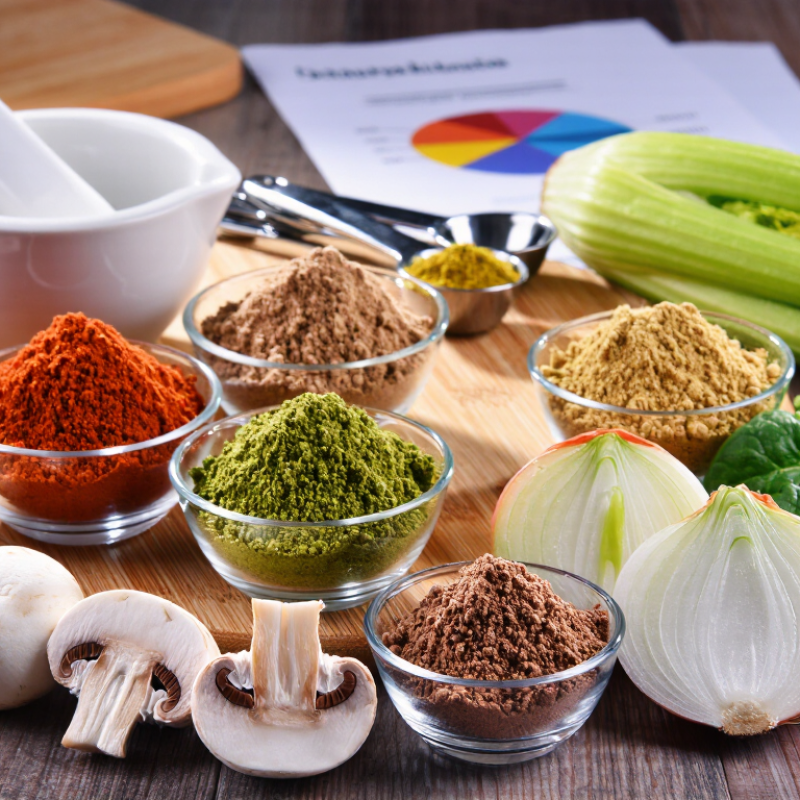
Choosing the best Vegetable Seasoning Powder from China requires more than comparing price or aroma. The right product should deliver consistent flavor, clear ingredients, and dependable safety documentation. Chinese manufacturers offer many profiles, including tomato, mushroom, onion, spinach, celery, and mixed vegetable blends. Each powder performs differently in soups, noodles, sauces, snacks, and ready-to-cook meals. A rich mushroom blend may add deep umami, while a celery powder can create a sharper, fresher note. Small differences matter.

Quality begins with traceable raw materials and controlled processing. Experienced buyers should review the ingredient list, allergen statement, batch number, shelf life, and Certificate of Analysis. Microbial, moisture, pesticide, and heavy-metal testing can provide stronger evidence than attractive packaging. Reliable suppliers may also maintain HACCP, ISO 22000, or other recognized food-safety systems. However, certificates should be verified, not accepted blindly. Export requirements also vary between countries and product categories. A powder suitable for one market may need additional documentation elsewhere.

There is no universal winner. Taste trials, dissolution tests, and cooking evaluations reveal practical performance. Check whether the powder forms lumps in hot water or leaves excessive sediment. Observe its color after heating. Ask how the flavor changes after storage. These details often expose weaknesses. My own assessment would remain cautious without testing several batches. Even a reputable supplier can experience seasonal variation. This guide will compare flavor strength, ingredient transparency, production standards, customization, packaging, and value. The goal is a balanced recommendation based on evidence, not promotional claims.
What Is the Best Vegetable Seasoning Powder from China?

What Is Vegetable Seasoning Powder and How Is It Made in China?

Vegetable seasoning powder is made from dehydrated vegetables, herbs, mushrooms, spices, and sometimes salt or flavor enhancers. It is not always pure vegetable powder. That distinction matters.

China has a strong raw-material base. The National Bureau of Statistics reported over 800 million tonnes of vegetable output in 2023. FAOSTAT also lists China among the world’s largest vegetable producers. Factories commonly sort, wash, slice, blanch, and dry vegetables before milling them into powder. Hot-air drying is widely used, while spray drying suits liquid vegetable extracts. The powder is then sieved and blended for consistent flavor. Onion, garlic, tomato, carrot, celery, and mushroom are common choices.

Quality depends on more than aroma. Moisture control matters. Low moisture reduces clumping and slows microbial growth. Producers should test moisture, water activity, microbial counts, pesticide residues, and heavy metals. Metal detection is also expected in serious facilities. China’s food safety standards, including GB 2760 and GB 4789, guide additive use and microbiological testing. A 2024 USDA Foreign Agricultural Service report described China’s food-processing sector as a major buyer of convenient, shelf-stable ingredients. In practice, the best powder should dissolve evenly, show natural color, and leave no gritty sediment. I would still check the ingredient ratio carefully. Some powders smell strongly but contain surprisingly little vegetable.

Which Vegetables and Ingredients Are Used in These Seasoning Powders?

What Is the Best Vegetable Seasoning Powder from China?

Vegetable seasoning powders from China often combine several dried vegetables. Common choices include mushroom, onion, garlic, carrot, tomato, celery, cabbage, and spinach. Each ingredient adds a different character. Mushroom brings a deep savory taste. Carrot and tomato add gentle sweetness. Onion and garlic create a familiar kitchen aroma.

Some blends also contain seaweed, ginger, white pepper, or dried scallion. Salt may appear in a large amount, so the ingredient list deserves careful reading. Sugar, starch, yeast extract, and natural flavorings are also used in some formulas. These ingredients can improve body and consistency, but they do not always mean a higher vegetable content. A pale powder may taste mild. A darker powder often suggests more mushroom, tomato, or leafy vegetables, though color alone proves little.

For a reliable choice, check the vegetable names, moisture level, allergen statement, and production date. In professional kitchen testing, I would dissolve a small amount in warm water first. Then I would compare its aroma, sediment, saltiness, and aftertaste. No blend is perfect. I once found a mushroom-heavy powder too strong for clear soup, but it worked well in noodles and roasted vegetables. The best powder depends on the dish, not only on its country of origin.

How to Compare Flavor, Nutrition, Purity, and Processing Standards

Choosing the best vegetable seasoning powder from China requires more than a strong aroma. Flavor should resemble the named vegetable, not only salt, yeast extract, or onion. An experienced buyer can test one gram in 100 milliliters of warm water. Check the first aroma, aftertaste, color, and sediment. A powder that smells natural but leaves a harsh coating may need better formulation.

Nutrition requires careful label reading. Compare sodium, fiber, protein, and added carriers per 100 grams and per serving. The WHO Global Report on Sodium Intake Reduction 2023 states that global adults consume about 10.8 grams of salt daily, over twice the recommended limit. Vegetable seasoning can quietly increase this burden. USDA FoodData Central also shows that nutrient values differ widely between fresh and dried vegetables. Drying concentrates solids, but it does not automatically preserve every vitamin.

Purity depends on evidence, not appearance. Request a recent certificate of analysis covering moisture, microbiological safety, heavy metals, pesticides, and allergens. Chinese food standards, including GB 2762 and GB 2763, provide useful contaminant and pesticide references. Processing records should show drying technology, temperature control, lot coding, and water activity. Spray-dried powders may dissolve smoothly, while coarse powders can offer a more visible vegetable texture. A perfect powder does not exist. One weakness remains: a laboratory report describes one batch, not every future batch. Supplier audits and retained samples matter.

Which Chinese Vegetable Seasoning Powder Best Fits Different Uses?

The best Chinese vegetable seasoning powder depends on how you plan to use it. For stir-fries, choose a fine mushroom or mixed-vegetable powder with moderate salt. It should dissolve quickly without leaving gritty particles. This type adds a deep, savory taste to cabbage, bok choy, tofu, and noodles. For clear soups, a lighter vegetable powder works better. Excessive mushroom flavor can make broth taste heavy. I learned this after using the same powder for every dish.

For sauces and marinades, select a concentrated powder with balanced sweetness and umami. Check whether it contains salt, sugar, yeast extract, or common allergens. A short ingredient list is easier to control in professional kitchens. For vegetarian recipes, verify that the powder contains no animal-derived additives. The term “vegetable” alone is not always enough. Product specifications and batch information matter.

Tips: Start with half a teaspoon per serving. Stir it into warm water first. Taste before adding extra salt. Store the powder in a dry, sealed container, because humidity causes clumping and weakens its aroma. Compare color, dissolving speed, and aftertaste across small samples. A brighter color is not automatically better. For children or low-sodium diets, choose a reduced-salt formula and adjust the recipe gradually. My own preference changes with the dish, so testing remains more reliable than choosing by appearance.

What Is the Best Vegetable Seasoning Powder from China? - Which Chinese Vegetable Seasoning Powder Best Fits Different Uses?
Practical comparison of commonly used vegetable powders produced and processed in China. Flavor intensity, color, solubility, and dosage can vary according to raw material, drying method, particle size, and moisture content.
Vegetable Powder Type Main Flavor Profile Typical Color Best-Fit Applications Suggested Starting Amount per 500 g Food Recommended Pairings Overall Use Fit What to Check Before Purchase
Mushroom Powder Deep umami, earthy, savory, and slightly roasted Light beige to brown Soups, broths, noodles, dumpling fillings, sauces, plant-based meat, and savory snacks 5–15 g Soy sauce, garlic, onion, white pepper, seaweed, and sesame ★★★★★ Confirm mushroom species, moisture level, fine particle size, and whether salt or other seasonings have been added
Tomato Powder Tangy, mildly sweet, fruity, and naturally savory Orange-red to deep red Instant soup, pasta sauce, pizza seasoning, snack coatings, ketchup-style blends, and marinades 10–25 g Oregano, basil, black pepper, garlic, onion, and chili ★★★★★ Check color uniformity, acidity, solubility, added sugar, and whether the powder is spray-dried or simply milled
Garlic Powder Strong allium aroma, savory, warm, and slightly sweet Off-white to pale yellow Meat rubs, roasted vegetables, fries, noodles, sauces, bakery fillings, and snack seasonings 2–8 g Black pepper, paprika, onion, parsley, soy sauce, and chili ★★★★★ Look for a clean garlic aroma, low caking, consistent granulation, and no excessive carrier ingredients
Onion Powder Sweet-savory, aromatic, and milder than garlic Cream to pale yellow Soup bases, seasoning blends, sauces, burgers, baked goods, and savory biscuits 3–10 g Garlic, paprika, black pepper, celery, and herbs ★★★★★ Check aroma strength, moisture content, flowability, and whether anti-caking agents are declared
Carrot Powder Mildly sweet, earthy, and lightly vegetal Yellow-orange to orange Instant noodles, soups, sauces, bakery products, baby-food formulations, and vegetable blends 10–30 g Tomato, pumpkin, ginger, cumin, garlic, and mild chili ★★★★☆ Check natural color stability, sweetness, particle size, and whether the product is pure carrot powder
Spinach Powder Fresh green, mildly grassy, and slightly earthy Green to dark green Green noodles, pasta, dumpling wrappers, soups, sauces, bakery products, and vegetable snack blends 5–20 g Garlic, cream-based sauces, cheese, sesame, ginger, and black pepper ★★★★☆ Check green color, aroma freshness, moisture, oxidation protection, and whether stems or leaves are used
Pumpkin Powder Mildly sweet, creamy, nutty, and softly vegetal Yellow-orange to orange Soups, bakery products, porridge, sauces, noodles, fillings, and seasonal spice mixes 10–30 g Cinnamon, nutmeg, ginger, black pepper, garlic, and coconut ★★★★☆ Check sweetness level, color uniformity, moisture content, and whether seeds or peel are included
Celery Powder Distinctive herbal, savory, slightly bitter, and aromatic Green to gray-green Soup seasoning, stock blends, meat marinades, vegetable juices, sauces, and savory snacks 2–8 g Carrot, onion, parsley, tomato, black pepper, and poultry seasoning ★★★★☆ Check aroma intensity, bitterness, color, particle size, and allergen or cross-contact information
Beetroot Powder Earthy, mildly sweet, and slightly mineral-like Pink-red to deep purple-red Color-focused seasoning blends, sauces, pasta, bakery products, smoothies, and snack coatings 3–15 g Apple, balsamic vinegar, black pepper, ginger, cocoa, and citrus ★★★☆☆ Check color strength, earthy aftertaste, light sensitivity, moisture protection, and suitability for the intended food matrix
Cabbage Powder Mildly sweet, leafy, and lightly sulfurous when heated White, pale green, or light yellow Soup mixes, dumpling fillings, instant vegetable blends, sauces, and savory bakery products 10–25 g Garlic, ginger, soy sauce, sesame oil, mushroom, and white pepper ★★★☆☆ Check freshness of aroma, color retention, drying method, moisture level, and rehydration performance
For a balanced Chinese vegetable seasoning blend, mushroom powder is usually the strongest choice for umami, tomato powder is well suited to tangy red sauces and snacks, garlic and onion powders work best as versatile base seasonings, while spinach, carrot, pumpkin, and beetroot powders are better when color and vegetable character are important. Always review the ingredient list, allergen statement, microbiological specifications, moisture content, and storage requirements before use.

How to Select, Store, and Prepare Vegetable Seasoning Powder Safely

What Is the Best Vegetable Seasoning Powder from China?

When choosing vegetable seasoning powder from China, read the ingredient list before comparing price. Look for clearly named vegetables, permitted additives, production dates, lot numbers, and storage instructions. A reliable supplier should provide traceability and accessible food-safety information. The powder should look evenly colored, without damp clumps, insects, or an unusual chemical smell. Very bright color is not automatically better. It may deserve closer checking. Consider the intended use, too. Powders for soup, noodles, sauces, and dry mixes may require different salt levels. I once selected a strong-tasting powder for a delicate broth. The result was harsh, not nutritious.

Store an unopened package in a cool, dry cupboard away from sunlight. After opening, close the inner bag tightly and place it inside a clean, airtight container. Keep it away from steam, wet spoons, and raw meat preparation areas. A dry scoop matters. Humidity can cause clumping and shorten quality life, even when the powder still looks acceptable. Write the opening date on the container. This small habit is easy to forget.

Prepare only the amount needed for one meal. Add the powder to cooked food according to the label, then stir thoroughly. Do not assume low moisture means complete sterility. Heating can improve safety, but it cannot correct poor storage or contamination. If the powder develops mold, insects, a sour odor, or unexplained discoloration, discard it. Do not taste questionable powder to test it. My own weak point is relying too much on appearance; records and careful handling are more dependable.

What Is the Best Vegetable Seasoning Powder from China?

Water activity (aw) is a practical quality indicator when selecting and storing vegetable seasoning powder. Lower aw limits the growth of bacteria, yeasts, and molds. These are approximate microbiological reference values, not measurements from a specific product or brand.

For a dry vegetable seasoning powder, check the product specification or certificate of analysis for low moisture and water activity, intact moisture-resistant packaging, a clear ingredient list, and a valid shelf-life date. Store the unopened package in a cool, dry place away from sunlight. After opening, reseal it immediately and use a clean, dry spoon to prevent moisture and microbial contamination. Follow the supplier’s preparation instructions and avoid storing rehydrated seasoning at room temperature.

Go to Top