The Best 5 Fatigue Testing Machines for Accurate Material Testing
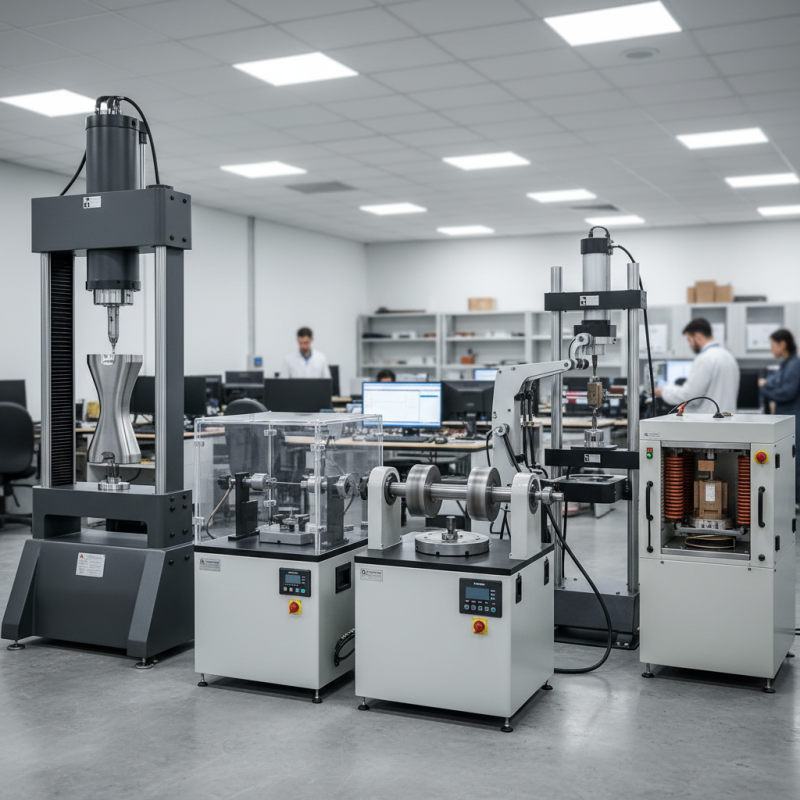
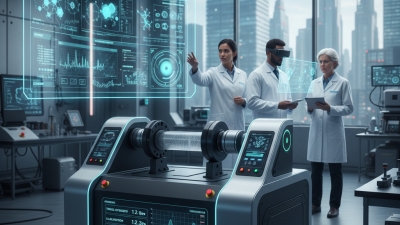
In today's manufacturing and engineering landscape, ensuring material durability is essential. The fatigue testing machine plays a vital role in this assessment. These machines evaluate how materials respond to repeated stress, simulating real-world conditions. With various designs available, choosing the right one is crucial for accurate results.
Fatigue testing machines differ in capabilities and specifications. Some may excel in specific tests, while others offer a broader range. Understanding these differences allows engineers to select the ideal machine for their project.
Material testing is not just about numbers; it's about reliability. Even minor discrepancies can lead to significant failures. This highlights the importance of using a well-calibrated fatigue testing machine. Quality assurance in material testing requires expertise and careful consideration of machine selection.
Overview of Fatigue Testing in Material Science
Fatigue testing plays a crucial role in material science by assessing how materials endure repeated stresses. This type of testing provides insights into durability, performance, and safety. According to a recent industry report, nearly 70% of material failures in engineering arise from fatigue issues. This statistic highlights the importance of comprehensive fatigue testing in design and quality control processes.
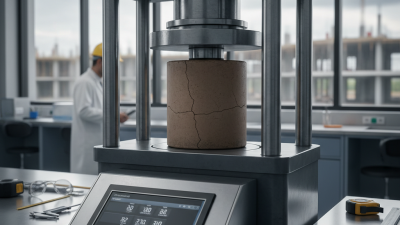
Materials undergo various stress cycles during their lifecycle. Understanding material response to these cycles is essential for predicting failure points. Engineers often use specific fatigue testing machines to simulate conditions materials will face in real-world applications. The results guide decisions on material selection and engineering design. In particular, tests like cyclic loading can reveal hidden defects that may not be apparent through conventional assessments.
Tip: Always keep in mind that the environment impacts fatigue life. Factors like temperature and humidity can affect testing outcomes. Ensure consistent testing conditions to achieve reliable data. Also, using advanced data analysis tools can help in interpreting complex stress-strain relationships effectively. This knowledge can improve material performance and increase the safety margins in design.
Key Features to Consider When Selecting a Fatigue Testing Machine
When selecting a fatigue testing machine, several key features warrant close attention. First, consider the load capacity of the machine. It should match the requirements of your materials precisely. If the load is too high or low, results may be invalid. Accuracy also plays a critical role. Look for machines that guarantee precise measurements over various test cycles. This precision affects data reliability, which impacts material quality assessments.
Tips: Regular calibration is essential. It ensures the machine delivers consistent and accurate results.
Another important feature is the
control interface. User-friendly controls facilitate smoother operation and can reduce errors. It can be frustrating when complex machines hinder your testing process. Finally, ensure the machine offers
flexibility for different testing methodologies. This versatility is vital as testing needs can change over time.
Tips: Research various testing methods to find the right fit. Adapting to new methods can be challenging but rewarding.
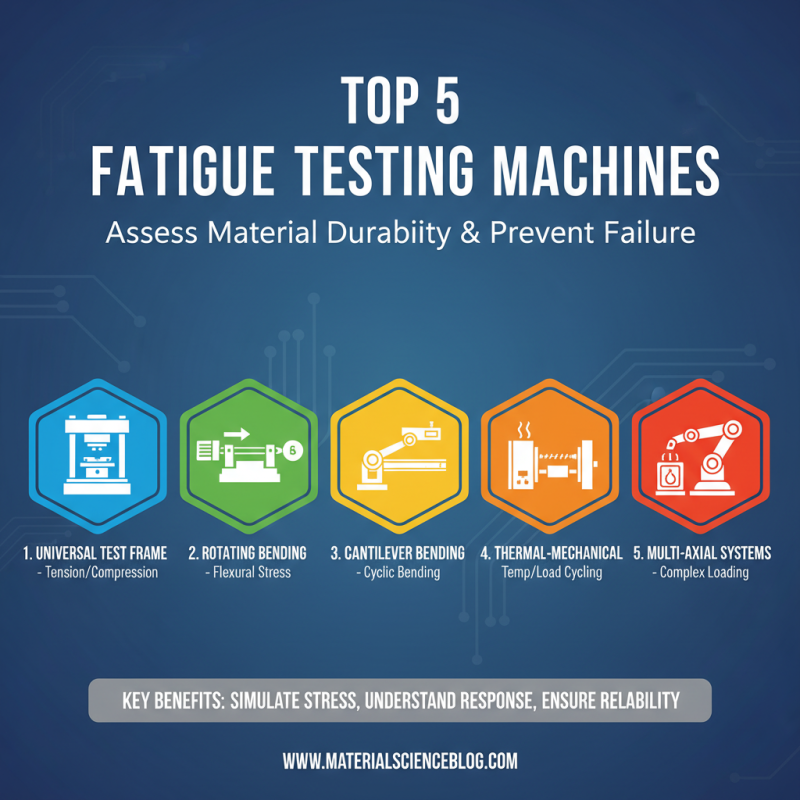
Top 5 Fatigue Testing Machines for Material Durability
Fatigue testing machines play a crucial role in assessing material durability. These machines simulate the stress that materials endure in real-world applications. Each machine varies in design and capability. They help in understanding how materials respond under repeated loading. This is essential for industries where material failure is not an option.
When selecting a fatigue testing machine, consider several factors. The maximum load capacity is vital to effectively test your materials. Equally important is the frequency range, which indicates how quickly the machine can apply loads. Some machines excel in low-cycle fatigue tests, while others may be better suited for high-cycle applications. Testing protocols can often highlight discrepancies between different machines, making a careful evaluation necessary.
Every testing machine has its limitations. For example, environmental factors can impact results. Temperature and humidity levels can alter material performance. Regular calibration is essential to maintain accuracy. Observations from past tests can lead to improvements in testing methods. Reflecting on the outcomes can uncover patterns and inconsistencies that require further investigation.
Comparative Analysis of Fatigue Testing Machine Brands
When comparing fatigue testing machines, various brands offer unique features and advantages. A recent industry report highlighted that machines with frequency capabilities above 30 Hz tend to provide more reliable data for material performance under cyclic loads. Consistency in testing results is critical. Slight variations in machine setup can lead to significant differences in outcomes.
Tips: Regular calibration of equipment ensures accuracy in readings. It’s crucial to follow manufacturer guidelines for setup.
Different brands establish standards in fatigue testing. Some machines focus on flexibility, allowing for a range of sample sizes and geometries. Others prioritize robustness, catering to high-stress applications. A comparative analysis revealed that machines with advanced software often yield better fatigue life calculations. This aspect can drastically affect material selection for demanding applications.
Tips: Always check for customer reviews on usability. User experience can provide insight into potential troubleshooting.
Understanding these differences helps in making informed decisions. Despite advancements, certain operational challenges persist, such as varying user interpretations of test results. Continual learning and adaptation are essential for achieving optimal testing outcomes in material analysis.