2026 Top Small Tensile Testing Machine Buyers Guide?
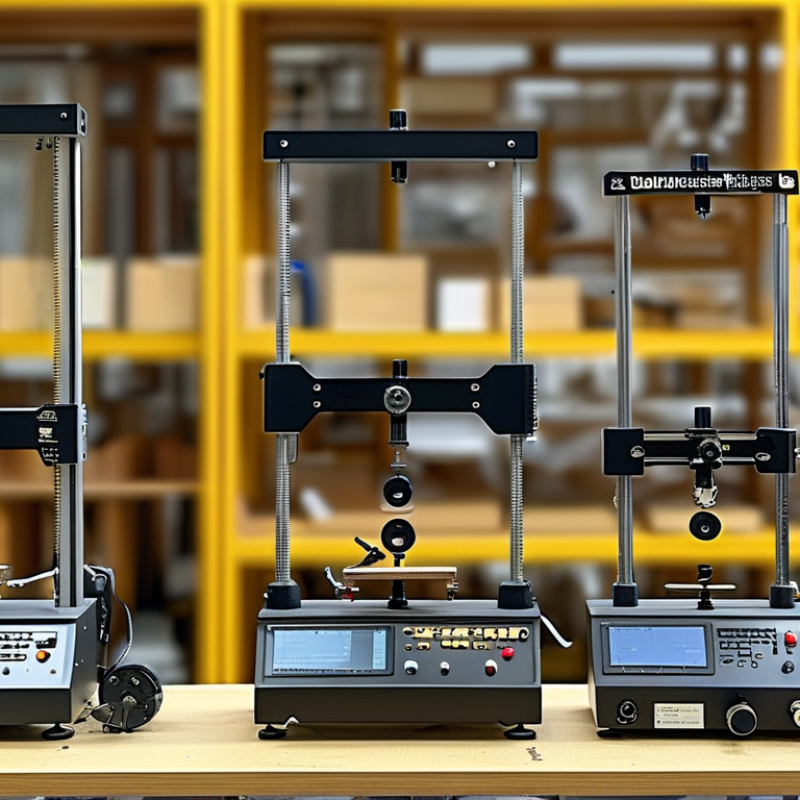
When it comes to testing materials, a small tensile testing machine is essential for achieving precise results. These machines measure the strength and ductility of various materials in a compact form. In industries where space is limited, the right small tensile testing machine can make a significant difference.
Many buyers are often overwhelmed by the variety of options available. It is crucial to select a machine that meets your specific needs. Factors such as load capacity, speed, and software capabilities can vary widely. Investing time in research can save a lot of frustration later.
Understanding what you require is not always easy. Some users might realize too late that they chose the wrong specifications. This guide aims to provide insights into choosing the ideal small tensile testing machine. By focusing on your goals and requirements, you can make a more informed decision.
Understanding Small Tensile Testing Machines and Their Applications
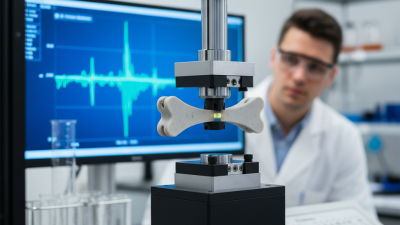
Small tensile testing machines play a crucial role in material science and engineering. They measure the tensile strength and ductility of materials. These machines are commonly used in sectors like aerospace, automotive, and construction. According to a recent industry report, the demand for such machines is projected to grow by 7% annually until 2028. This growth is fueled by the increasing need for quality assurance in material testing.
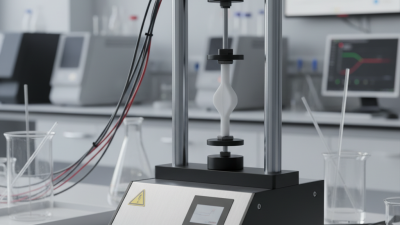
These machines help engineers understand how materials behave under stress. For instance, a small tensile tester can assess metals, plastics, and even composites. Results from these tests influence design decisions and production processes. It is essential to choose a machine with accurate load cells and extensometers to ensure reliability in results. Often, the variations in sample preparation can lead to changes in test outcomes, which must be monitored closely.
It is also beneficial to consider the machine's software capabilities. Advanced software can offer real-time data analysis and reporting, enhancing usability. Many users appreciate intuitive interfaces that simplify complex data. Another area of reflection is the machine's portability and ease of setup. Laboratories may need machines that offer flexibility without compromising on performance. Setting up a machine that is tricky can lead to operational delays.
Key Features to Look for in a Small Tensile Testing Machine
When selecting a small tensile testing machine, key features are essential for optimal performance. First, accuracy is vital. Machines should provide precise measurements for reliable test results. A high-resolution load cell enhances the accuracy of tensile tests. Calibration features help maintain consistency through various tests.
Another aspect is the machine's user interface. A simple and intuitive interface can significantly improve the testing process. Look for models that offer easy-to-navigate software. Advanced features like data analysis and reporting tools can help streamline your workflow.
Consider the machine's capacity and compatibility. It should accommodate various materials. Make sure it can handle different sample sizes. Flexibility in testing options ensures you can adapt to different projects. Analyze your current needs and anticipate future requirements. It's important to align your choice with long-term goals.
2026 Top Small Tensile Testing Machine Buyers Guide
| Feature |
Importance |
Typical Range |
| Load Capacity |
High importance for testing various materials |
100N - 5000N |
| Testing Speed |
Affects testing time and results |
0.1 - 500 mm/min |
| Computer Interface |
Essential for data analysis and reporting |
USB, Ethernet |
| Multi-Testing Capability |
Versatility in application |
Tension, Compression, Bending |
| Calibration Frequency |
Impact on accuracy and compliance |
Every 6 - 12 months |
| Software Features |
Enhances usability and data management |
Data analysis, Export options |
| Size and Portability |
Important for workspace limitations |
Compact design preferred |
Top Brands and Models in 2026 for Small Tensile Testing Machines
In 2026, small tensile testing machines play a crucial role in material testing. Selecting the right model can be overwhelming. It's essential to consider various factors, such as the machine's accuracy and ease of use. Precision is vital, as even minor errors can lead to inaccurate data.
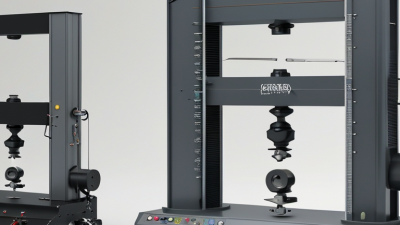
Top brands offer innovative designs and advanced features. Some machines are compact, ensuring they fit in tight lab spaces. Features like touchscreen interfaces enhance usability. Sensitive load cells provide exact measurements, essential for reliable testing. However, not all brands maintain this high level of accuracy. Some may even struggle with software updates or technical support.
Potential buyers should reflect on their specific needs. Identify required testing standards and the materials involved. While some buyers might prioritize cost, investing in a quality machine often pays off. After all, reliable results are critical for meeting industry standards. Keep in mind that a well-chosen machine can significantly improve workflow and enhance data integrity.
Pricing Trends and Budget Considerations for Buyers
When considering the purchase of a small tensile testing machine, pricing trends play a crucial role. Industry reports indicate that prices can range widely, typically falling between $2,000 and $10,000 depending on features and capabilities. The demand for higher precision and automation has contributed to an increasing trend in pricing. Machines equipped with advanced data analysis software and extensive testing capabilities often come at a premium.
Budgeting for such equipment requires careful planning. It's essential to analyze not only the initial cost but also ongoing maintenance and operational expenses. Data shows that additional costs, such as calibration and software upgrades, can add 15-20% to the overall budget. Buyers should also consider the potential for decreased operational efficiency with cheaper models. Investing in a reliable, durable machine can yield better long-term results.
When evaluating options, pay attention to warranties and support. A more economical choice might lack the necessary support mechanisms, leading to costly downtimes. Assess each feature critically and do not shy away from seeking expert advice. You might find the right balance between cost and quality can provide significant benefits in testing accuracy and operational reliability.
2026 Top Small Tensile Testing Machine Pricing Trends
This chart illustrates the average pricing trends for small tensile testing machines from 2022 to 2026, showing a steady increase in costs as technology and demand evolve in the market.
Maintenance and Support: Ensuring Longevity of Your Equipment
When investing in a small tensile testing machine, maintenance and support are paramount. Regular checks can prevent costly repairs. Inspecting the machine weekly ensures all components function optimally. Look for wear and tear on cables and fixtures. These areas often require the most attention. Proper calibration is also essential for accurate results. An uncalibrated machine can lead to erroneous data, affecting project outcomes.
Training staff on usage and routine maintenance is crucial. Ensure all team members understand operational guidelines. Documentation of maintenance schedules promotes accountability. However, many overlook this step, which can lead to issues down the line. Implementing a reminder system helps keep everyone on track.
Support from the manufacturer can enhance your machine’s lifespan. They often provide valuable insights and troubleshooting. Establish a clear communication channel for ongoing support. While investing in a high-quality machine is important, it is equally vital to prioritize maintenance and support for long-term reliability. Neglecting these aspects may result in underperformance and potential safety hazards.