2026 Top China Check Valve Types for Global Buyers?
In 2026, global buyers are examining China Check Valve suppliers with sharper technical and commercial discipline. The reason is practical: fluid systems face pressure surges, reverse flow, corrosion, and costly shutdowns. MarketsandMarkets projects the broader industrial valves market to grow from approximately USD 78 billion in 2024 to more than USD 100 billion by 2029. Grand View Research also identifies energy, water treatment, chemicals, and manufacturing as major demand sectors. These figures describe valves broadly, not check valves alone. That distinction matters.
A reliable comparison should examine swing, wafer, dual-plate, lift, tilting-disc, and axial check valve designs. Each type behaves differently inside a crowded pump room or a long pipeline. A dual-plate valve may reduce installation space, while a swing valve can suit larger, slower-flowing lines. However, selection depends on pressure class, flow velocity, temperature, fluid composition, and installation direction. Standards such as API 6D, API 594, ASME B16.34, ISO 5208, and EN 12266 provide useful reference points for design and testing. Ask for material certificates, pressure-test records, coating details, and traceable inspection documents. Do not rely on polished product photos.
Forecasts vary between research publishers, and supplier claims may also differ. That is worth questioning. A low purchase price can become expensive after water hammer, seat leakage, or premature corrosion. Buyers should compare test evidence, factory experience, response time, spare-part access, and export quality controls. This guide evaluates the leading 2026 China Check Valve types through those practical criteria, while recognizing one uncomfortable truth: no valve is universally best.
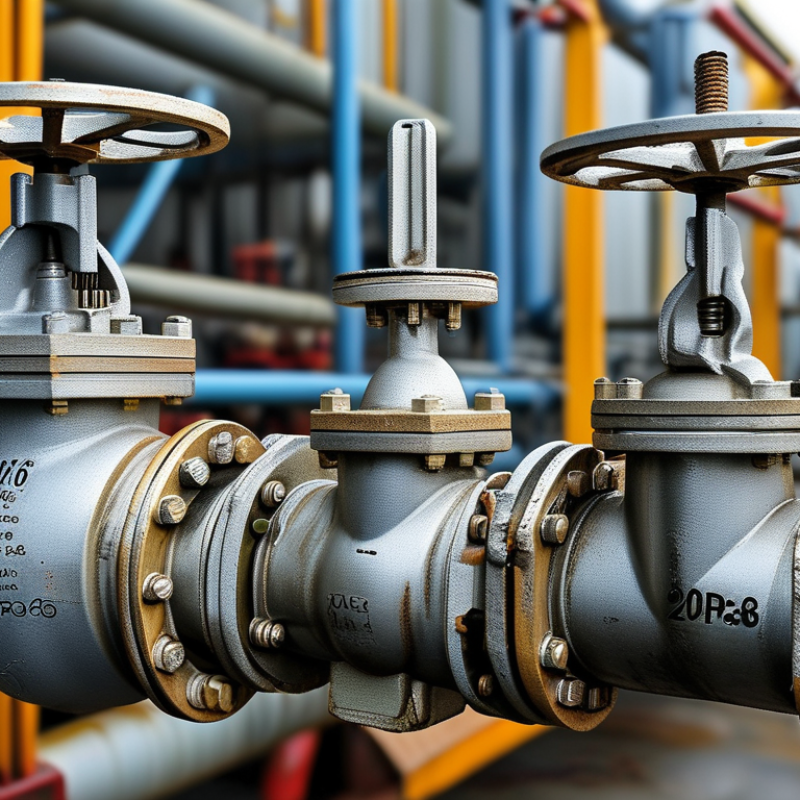
What Is a Check Valve and How Does It Work?
What Is a Check Valve and How Does It Work?
A check valve allows fluid to move in one direction and blocks reverse flow. It works without a handwheel or actuator. When forward pressure lifts the disc, ball, or plate, the passage opens. When flow weakens, gravity, a spring, or back pressure closes the valve. Simple in principle. Important in practice.
Common check valve types include swing, lift, wafer, and dual-plate designs. A swing valve suits many water and process lines because its hinged disc creates moderate resistance. A lift valve offers controlled movement but needs cleaner installation. Wafer and dual-plate valves save space between pipe flanges, which helps in compact systems. During inspections, I have seen buyers focus on body material while overlooking closing speed. That can cause water hammer, noise, or pump damage. The assumption is convenient, but not always correct.
Tips: Match the valve to pressure, temperature, fluid cleanliness, and installation direction. Check the arrow on the body before commissioning. Ask for pressure-test records, material certificates, and dimensional drawings. A stainless body is not automatically suitable for every chemical service. Review seal compatibility carefully. Also consider maintenance access; a low-cost valve becomes expensive when removal requires cutting the pipe. For uncertain systems, request flow data and consult a qualified engineer before choosing a Chinese supplier or export specification.
Which Check Valve Types Are Commonly Made in China?
2026 Top China Check Valve Types for Global Buyers?
Which Check Valve Types Are Commonly Made in China?
China commonly manufactures swing, wafer, dual-plate, lift, ball, and spring-loaded check valves. Swing check valves suit water, wastewater, and moderate-pressure pipelines. Wafer and dual-plate designs save space between flanges. They often appear in HVAC, fire protection, and process systems. Lift and piston check valves provide tighter flow control for steam, oil, and high-pressure service. Ball check valves remain practical for pumps and slurry lines.
MarketsandMarkets reported that the global industrial valves market could grow from about USD 78 billion in 2024 to over USD 100 billion by 2029. Its analysis identifies water, energy, and chemical processing as major demand areas. These sectors explain China’s broad production range. Factory capability is not enough, however. A low-cost valve may still fail through poor disc alignment, weak springs, or incomplete testing. That risk is easy to underestimate.
Tips: Match the valve type with media, pressure, temperature, and installation direction. Ask for material certificates, pressure-test records, and traceability documents. API 594, API 6D, ISO 5208, and EN 12266 may apply, depending on the service. Check the actual standard edition. Small details matter. For dirty water, inspect the hinge and seat design closely. For vertical piping, confirm closing behavior before purchase. A perfect shortlist does not exist; site conditions should decide the final type.
2026 Top China Check Valve Types for Global Buyers
This comparison shows commonly specified nominal pressure ranges for check valve types widely manufactured in China. Swing, wafer dual-plate, lift, piston, ball, and foot check valves serve different installation and fluid-control requirements. The ranges are typical engineering selections, not company-specific market-share data.
How Do China Check Valves Differ by Design and Application?
2026 Top China Check Valve Types for Global Buyers?
How Do China Check Valves Differ by Design and Application?
China check valves differ mainly by flow direction, installation space, pressure class, and maintenance needs. Swing check valves use a hinged disc and suit water, wastewater, and moderate-flow pipelines. Lift check valves provide tighter control but need cleaner media and stronger pressure support. Wafer dual-plate valves are lighter, shorter, and practical for cramped systems. Axial or silent check valves reduce water hammer, especially near pumps.
According to a 2024 MarketsandMarkets report, the global industrial valves market is projected to grow from over USD 80 billion during the decade. This expansion increases demand for compact, energy-efficient designs. However, market growth does not guarantee correct selection. A thin wafer body may save shipping cost, yet it can expose installation weaknesses under severe vibration. That detail is easy to miss.
Tips Match the valve to fluid, temperature, pressure, velocity, and backflow risk. Ask for material certificates, pressure-test records, and dimensional drawings. For seawater, duplex stainless steel or suitable coated alloys may outperform standard carbon steel. For steam, verify gasket, seat, and thermal-cycle performance. EN 12334, API 6D, and ISO 5208 references can improve technical comparison, but standards alone are not enough. Field conditions often decide service life. Procurement teams should also confirm face-to-face dimensions before ordering. Small errors create expensive pipeline modifications.
What Standards and Materials Should Global Buyers Evaluate?
For 2026 sourcing, global buyers should treat valve standards as selection filters, not decoration. API 594 covers wafer and lug check valves, while API 6D addresses pipeline applications. ASME B16.34 defines pressure-temperature ratings. ISO 5208 verifies closure leakage. A compliant design still needs correct sizing. Small detail, serious consequence.
Material selection begins with the fluid, temperature, pressure, and installation environment. Ductile iron suits many water systems, while stainless steel improves resistance against chlorides and chemical exposure. Duplex stainless steel can support demanding seawater service, but its higher cost needs justification. EPDM works well with many water applications; NBR may better suit certain oils. For sour service, buyers should evaluate NACE MR0175/ISO 15156 requirements. Drinking-water projects may also require NSF/ANSI/CAN 61 compliance. UN-Water’s 2024 World Water Development Report reports that agriculture accounts for about 70% of global freshwater withdrawals, increasing demand for dependable irrigation valves.
Documentation deserves equal attention. Request pressure-test records, material certificates under EN 10204 3.1, heat-number traceability, and inspection photographs. WHO and UNICEF’s 2023 Joint Monitoring Programme reported that 2.2 billion people lacked safely managed drinking water in 2022. That figure makes leakage control more than a technical preference. I would not accept a certificate alone as proof of field reliability. Seat design, installation position, water chemistry, and maintenance history can still expose weaknesses. Supplier selection is never perfectly simple.
How Can Buyers Select and Source the Right China Check Valve?
Selecting the right China check valve starts with the fluid, not the catalog photo. Swing check valves suit larger pipelines with moderate flow changes. Wafer and dual-plate designs save space between flanges. Lift check valves can handle cleaner, higher-pressure services, but they need suitable installation conditions. For wastewater, abrasive particles may require stronger internal materials and easier maintenance access.
Define pressure class, connection standard, body material, seal type, temperature, and flow direction before requesting quotations. A clear data sheet prevents vague offers. Ask for dimensional drawings, pressure-test records, material certificates, and traceability documents. Samples can reveal rough casting surfaces, weak hinge movement, or incorrect markings. Small details matter.
Audit the supplier beyond its website. Review machining equipment, inspection methods, technician experience, and production records. Request a video or live inspection of assembly and testing. Independent testing can add confidence for critical applications. Confirm whether the factory or a trading intermediary will control quality. This point is often missed.
A spreadsheet is not enough. I have seen complete-looking specifications hide an unsuitable gasket material. Buyers should compare total cost, not only the unit price. Include packaging, spare seals, testing, delivery time, and after-sales response. Confirm the inspection plan in writing, then approve a pre-shipment report before loading. Mistakes still happen. Good sourcing leaves room to question them.