


2026 Best Plastic Ice Cooler Box for Wholesale Buyers
Wholesale buyers entering the 2026 market need more than attractive product photos. A reliable Plastic Ice Cooler Box must perform through transport, storage, retail display, and repeated daily use. Buyers should examine insulation thickness, lid sealing, drainage design, handle strength, and food-contact material documentation. Small details matter. A weak hinge can damage an otherwise excellent order.
Daniel Mercer, an independent cold-chain equipment consultant with more than fifteen years of product evaluation experience, says, “A cooler earns trust when its performance remains predictable after hundreds of openings.” That standard should guide every supplier conversation. Request test reports, sample units, loading photographs, and clear production specifications before approving bulk quantities. Check whether the box maintains ice for the claimed period under realistic conditions, not only in controlled showroom tests. Summer heat exposes weak designs quickly.
The best Plastic Ice Cooler Box for wholesale buyers should also support efficient stacking and practical branding. Uniform dimensions can reduce warehouse waste. Reinforced corners can prevent cracks during delivery. Replaceable parts may extend service life, although they can increase the purchase price. That trade-off deserves careful review.
Do not choose by capacity alone. A large box may sell poorly if it is heavy when empty. A cheaper model may create higher return costs. Even experienced buyers can overlook drainage access or handle comfort. This 2026 guide compares performance, durability, customization, packaging, minimum order quantities, and supplier reliability, helping importers make a more defensible purchasing decision. No cooler fits every market. That is worth remembering.
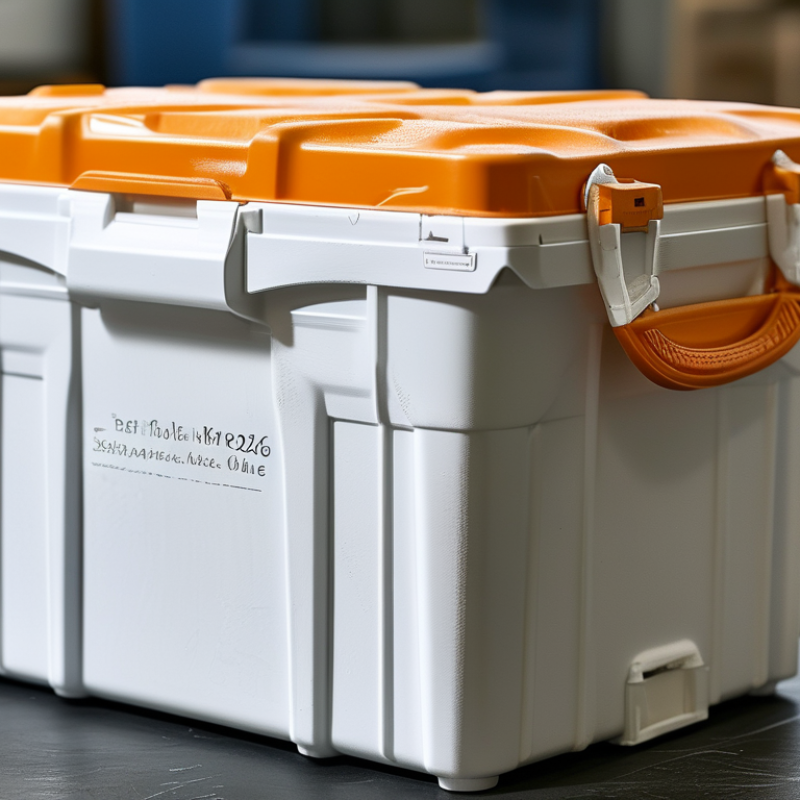
Plastic Ice Cooler Boxes: Definition, Uses, and Wholesale Applications
A plastic ice cooler box is a reusable, insulated container with a rigid plastic shell, thermal insulation, and space for ice or frozen packs. Common materials include food-contact-grade polyethylene or polypropylene. Its purpose is simple: slow heat transfer and protect chilled goods during transport, storage, or outdoor service.
The need is substantial. FAO’s State of Food and Agriculture 2019 reports that 14% of food is lost between harvest and retail. Properly used cooler boxes can support short-distance distribution for seafood, dairy, produce, catering, and event beverages. USDA FSIS advises keeping cold food at 40°F (4.4°C) or below. Wholesale buyers should therefore examine insulation thickness, lid sealing, drainage, stacking strength, and internal capacity. A large box is not always better. It may become heavy, inefficient, and difficult to clean when fully loaded.
For wholesale applications, practical details matter. Smooth interior walls reduce residue buildup, while reinforced handles support repeated handling. UV-resistant plastic helps outdoor units last longer, although no material remains perfect under constant sunlight. A drain plug can leak. That detail is easy to miss. Capacity claims also deserve testing, because usable space decreases after adding ice. The Global Cold Chain Market analysis by Grand View Research identifies food and beverage distribution as a major demand area, reinforcing the value of reliable short-term temperature control. Buyers should request insulation performance data, empty and loaded weight, carton dimensions, and cleaning guidance before placing volume orders.
2026 Best Plastic Ice Cooler Box for Wholesale Buyers - Plastic Ice Cooler Boxes: Definition, Uses, and Wholesale Applications
Comparative reference table for selecting reusable plastic ice cooler boxes by capacity, insulation, handling requirements, and wholesale application.
| Cooler Box Category | Typical Capacity | Approx. External Size | Common Construction | Typical Ice Retention | Key Features | Best Wholesale Applications | Recommended Buyer Profile |
|---|---|---|---|---|---|---|---|
| Compact Personal Cooler | 5–12 L | 30–40 × 20–28 × 25–32 cm | Food-contact plastic liner with molded foam insulation | Up to 24 hours under typical outdoor conditions | Lightweight; easy to carry; suitable for small meal or beverage portions | Convenience stores, promotional programs, office catering, personal meal delivery | Buyers needing low-cost, high-volume units with simple handling |
| Medium Family Cooler | 18–35 L | 45–58 × 30–40 × 32–42 cm | Double-wall plastic body with polyurethane or expanded polymer insulation | 24–48 hours, depending on fill ratio and ambient temperature | Balanced capacity-to-size ratio; molded handles; suitable for mixed food and drinks | Supermarkets, outdoor retailers, picnic suppliers, event catering | General distributors seeking a versatile core product |
| Large Rigid Cooler | 40–70 L | 60–75 × 38–48 × 38–48 cm | Rotomolded or heavy-duty molded plastic with thick insulation walls | 48–72 hours with adequate ice loading | High durability; strong lid; larger ice and food storage volume | Camping stores, fishing suppliers, sports events, outdoor rental services | Buyers prioritizing service life and higher-value retail positioning |
| Wheeled Cooler Box | 45–80 L | 65–85 × 40–52 × 40–55 cm | Rigid plastic shell with insulated walls, wheels, and telescopic or pull handle | 48–72 hours, depending on insulation thickness and usage | Reduced lifting effort; large storage volume; suitable for transport over short distances | Beach and camping retailers, sports venues, festivals, hospitality supply | Buyers serving customers who value mobility and convenience |
| Commercial Food Transport Box | 30–100 L | External size varies by stackable format; commonly 40–75 cm in length | Insulated polypropylene or polyethylene body with tight-fitting lid | Designed for temperature holding during scheduled delivery periods | Stackable profile; washable interior; compatible with food pans or crates in selected formats | Meal delivery, catering operations, grocery distribution, seafood and meat transport | Professional buyers requiring repeatable logistics and easy sanitation |
| Fish and Seafood Cooler | 40–120 L | 65–95 × 40–55 × 40–60 cm | Heavy-duty polyethylene or polypropylene with reinforced corners and drain plug | 48–72 hours when properly iced and kept closed | Drainage outlet; impact resistance; smooth interior for cleaning; high load tolerance | Fishing retail, seafood wholesalers, fish markets, marine supply distributors | Buyers needing rugged products for wet, high-use environments |
| Medical and Pharmaceutical Cooler | 4–25 L | 25–50 × 18–35 × 20–35 cm | Insulated plastic shell with removable cold packs or organized interior inserts | Temperature duration depends on validated pack configuration and ambient conditions | Separate compartments; tamper-evident options; easy-to-clean surfaces; temperature monitoring compatibility | Vaccination support, laboratory sample transfer, pharmacies, healthcare logistics | Buyers requiring documented temperature-control procedures |
| Stackable Delivery Cooler | 15–45 L | 40–65 × 30–45 × 30–45 cm | Rigid insulated polypropylene or polyethylene with reinforced stacking edges | Approximately 24–48 hours for short-haul distribution | Space-efficient stacking; standardized footprint; reusable alternative to single-use packaging | Meal-kit delivery, grocery fulfillment, foodservice distribution, central kitchens | Wholesale buyers optimizing warehouse and vehicle space |