


Material Testing Blog

HomeMaterial Testing Blog

What Is an Anti Flammable Cabinet Used For?

An Anti Flammable Cabinet is designed to store certain flammable liquids in a controlled, clearly marked place. In a workshop, laboratory, or maintenance room, it may hold sealed containers of solvents, paints, or fuels. The cabinet helps limit everyday exposure to ignition sources and can contain small leaks, depending on its design. It is not a magic box.

Its purpose is risk reduction, not risk removal. Many cabinets use sturdy construction, warning labels, and doors that close securely; features vary by model. A worker should check the product’s instructions before placing chemicals inside. Compatibility matters: not every chemical belongs in the same cabinet, and some substances require separate storage. A bottle that looks ordinary can still need careful handling.

Good storage also depends on what happens around the cabinet. Keep containers closed, labels readable, and the cabinet away from heat or busy walkways where practical. Do not overload shelves or block access to safety equipment. Local requirements and workplace procedures may set additional conditions, so consult qualified safety staff when uncertain. That extra check can feel tedious. It is still worthwhile.

An Anti Flammable Cabinet supports safer housekeeping and helps teams identify where approved flammable materials belong. It does not replace ventilation, spill planning, training, or safe handling practices. Nor should users assume that a cabinet makes every stored substance harmless during a fire. Choosing the right model and using it consistently are the practical details that give the cabinet value—and deserve regular review.
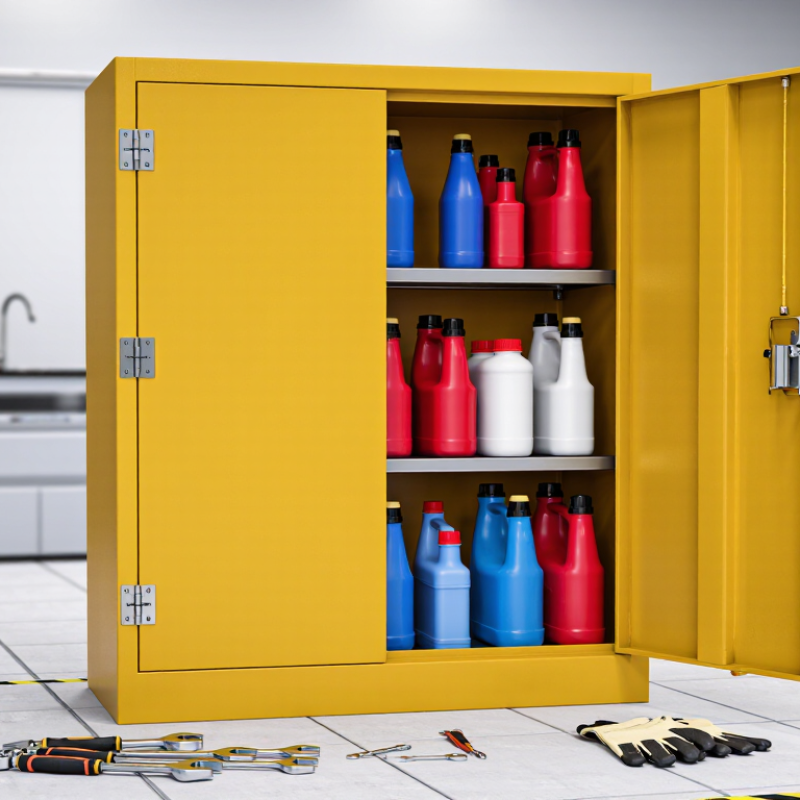
What Is an Anti Flammable Cabinet Used For?

What an Anti-Flammable Cabinet Is and How It Works

An anti-flammable cabinet, more commonly called a flammable-liquid storage cabinet, is designed to slow heat reaching its contents and contain small spills. It is not fireproof. Its protective value comes from its construction: double steel walls with an insulating air gap, tight joints, a raised sill, and a secure door latch. OSHA’s 29 CFR 1910.106 specifies a two-inch sill and a three-point latch for cabinets built to its construction requirements. It also sets a 10-minute fire-test benchmark: the internal temperature must not exceed 325°F. These figures describe a test, not a promise that contents will remain safe in every fire.

In practice, the cabinet creates a buffer between stored liquids and nearby ignition sources. The sill and bottom form a small containment basin, helping keep a leak from spreading across a workbench or floor. Keep containers closed and upright, and store only compatible materials together; a cabinet cannot correct poor handling. NFPA 30 provides further guidance on flammable and combustible liquid storage, while OSHA’s rules address workplace cabinet design. Venting is not automatically safer: an unapproved opening can compromise the cabinet’s tested performance. Follow the cabinet’s instructions and site-specific fire-safety guidance. I would still inspect hinges, latches, and the sump regularly; small damage is easy to overlook.

Which Materials Are Stored in an Anti-Flammable Cabinet

What Is an Anti-Flammable Cabinet Used For?

Which Materials Are Stored in an Anti-Flammable Cabinet

An anti-flammable cabinet is generally used to store flammable liquids and reduce fire exposure in workplaces. Typical contents include solvent-based paints, cleaning fluids, adhesives, alcohol-based solutions, and laboratory solvents. Keep materials in closed, clearly labeled containers compatible with the liquid. A cabinet is not a catch-all for every hazardous chemical. Oxidizers, corrosives, and reactive substances may need separate storage to prevent dangerous interactions. That distinction is easy to miss.

OSHA’s standard, 29 CFR 1910.106, sets cabinet storage limits: up to 60 gallons of Category 1, 2, or 3 flammable liquids, or 120 gallons of Category 4 liquids, per cabinet. These are maximums, not recommended targets; workplace rules may be stricter. Check each product’s safety data sheet for its hazards and storage guidance. Do not store materials that the cabinet manufacturer or site procedures exclude.

Tips: Keep containers upright, shut lids promptly, and leave labels visible. Check for leaks and damaged packaging during routine inspections. A small spill can spread beneath containers before anyone notices. Keep incompatible chemicals apart, and never assume that a cabinet makes poor handling safe.

How the Cabinet Helps Reduce Fire and Spill Risks

An anti-flammable cabinet is designed to store flammable liquids while helping limit fire and spill hazards. Its fire-resistant construction can slow heat from reaching stored containers during a nearby fire. Self-closing doors, when fitted and properly maintained, help keep flames and heat outside the cabinet. It is not magic. The cabinet can reduce risk, but it cannot make unsafe storage safe.

Spill control matters too. Many cabinets include a raised, leak-resistant sump that catches drips from a loose cap or damaged bottle. A worker opening the door may notice a chemical odor or wet shelf; prompt cleanup can prevent a small leak from spreading. Keep containers upright, tightly closed, and within the cabinet’s intended capacity. Store only compatible materials together, and check product labels before placing anything inside. Small details matter.

Routine checks help the cabinet work as intended. Look for corroded shelves, damaged door latches, blocked vents, and liquid in the sump. Keep the doors closed when the cabinet is not in use, and avoid stacking items where they could obstruct closure. Follow the cabinet’s instructions and applicable workplace requirements. One easy mistake is treating the cabinet as a cure-all; sound handling and regular inspection still matter.

What Is an Anti Flammable Cabinet Used For? - How the Cabinet Helps Reduce Fire and Spill Risks

Safety Dimension What the Cabinet Does Practical Example or Limit
Intended use Provides designated storage for flammable and combustible liquids, helping keep containers organized and away from everyday work areas and potential ignition sources. Common contents include paints, solvents, fuels, and certain cleaning liquids. Check each product’s safety data sheet (SDS) and local requirements.
Fire-risk reduction Its construction is designed to help slow heat transfer and reduce the chance that a nearby fire will quickly involve stored liquids. A cabinet can reduce exposure; it is not fireproof and does not eliminate the need for ignition control, safe handling, or emergency planning.
Spill containment A liquid-tight bottom and raised sill can help retain leaks or spills inside the cabinet instead of allowing them to spread across the floor. U.S. OSHA cabinet specifications include a bottom raised at least 2 inches above the cabinet’s exterior bottom.
Storage capacity Capacity limits help prevent overloading and support safer separation of stored liquids. Under U.S. OSHA rules, a cabinet may hold up to 60 gallons of Category 1, 2, or 3 flammable liquids, or up to 120 gallons of Category 4 flammable liquids. Confirm applicable local rules and classifications.
Container management Enclosed storage helps keep approved containers together and makes it easier to identify and manage hazardous liquids. Keep containers closed when not in use, use compatible containers, and label them clearly. Do not store damaged or leaking containers as routine practice.
Incompatible chemicals Using a cabinet does not make incompatible chemicals safe to store together. Segregation is still necessary to prevent dangerous reactions. Check SDS storage guidance; for example, keep oxidizers separated from flammable liquids where required.
Venting and cabinet features Cabinet vents should not be opened or modified without checking the manufacturer’s instructions and applicable fire code. U.S. OSHA specifications describe vent openings that are sealed with bungs. Follow the cabinet’s approved configuration and local authority requirements.
Safe placement and use Proper location, access, and housekeeping help the cabinet contribute to a broader fire-prevention plan. Keep access clear, control nearby ignition sources, inspect for leaks or damage, and follow workplace procedures for dispensing and spill response.

Reference note: Capacity and construction examples are based on U.S. OSHA requirements in 29 CFR 1910.106. Requirements can vary by jurisdiction, liquid classification, cabinet type, and adopted fire code.

Where Anti-Flammable Cabinets Are Commonly Used

What Is an Anti-Flammable Cabinet Used For?

Where Anti-Flammable Cabinets Are Commonly Used

Anti-flammable cabinets are commonly found wherever staff handle flammable liquids during routine work. In laboratories, they may hold small containers of solvents, cleaning fluids, or reagents near work areas. In maintenance rooms, technicians use them to store paints, adhesives, and fuels used for equipment repairs. A cabinet keeps these materials organized and reduces the chance of spills or accidental contact.

Manufacturing sites and workshops often place cabinets near production or service areas, but away from heat sources, sparks, and busy walkways. Schools, colleges, and healthcare facilities may use them in supervised labs or maintenance spaces. The right location depends on what is stored, how often it is accessed, and the room’s ventilation. Easy access matters. So does clear labeling.

A cabinet is not a substitute for safe handling or careful storage. Staff should check container compatibility and follow product safety information; not every chemical belongs in the same cabinet. Doors left open, crowded shelves, or damaged seals can weaken everyday protection. That part is easy to overlook. Regular inspections help catch leaks, clutter, and wear before they become bigger problems.

Key Features to Check When Choosing a Cabinet

What Is an Anti Flammable Cabinet Used For?
Key Features to Check When Choosing a Cabinet

A flammable-material cabinet is designed to store suitable liquids and slow heat exposure during a fire. It is not fireproof. Check the cabinet’s stated purpose, capacity, and compatibility with the materials you plan to store. A sturdy-looking cabinet can still be the wrong size or type.

Look for durable construction, secure doors, and a leak-catching sump at the base. Shelves should sit firmly and allow containers to remain upright. Check the label and manual for tested performance, capacity limits, and installation requirements. Some cabinets include grounding points, but they do not replace safe handling practices. Ventilation needs vary, so follow the manufacturer’s instructions rather than adding vents yourself.

Tips: Measure the available floor space and estimate the largest containers before choosing. Keep the cabinet accessible, away from heat sources, and do not exceed its load limit. Inspect doors, hinges, and shelves periodically. Small details matter. A cabinet may have an awkward shelf height; check that real containers fit before installation.

What is a flammable storage cabinet used for? It helps store flammable liquids safely. When choosing one, check its capacity against the liquid’s category and applicable local requirements. OSHA limits storage in a cabinet to 60 gallons of Category 1, 2, or 3 liquids, or 120 gallons of Category 4 liquids. Always verify the rules that apply to your workplace.

Source: OSHA 29 CFR 1910.106(d)(3)(i). Check current regulations and local fire codes for your specific application.

Go to Top