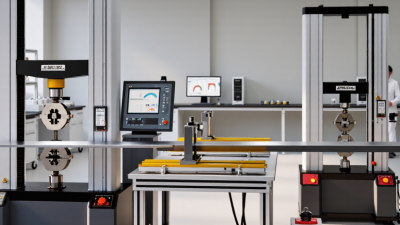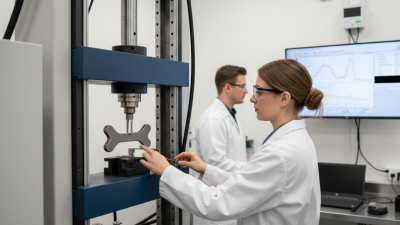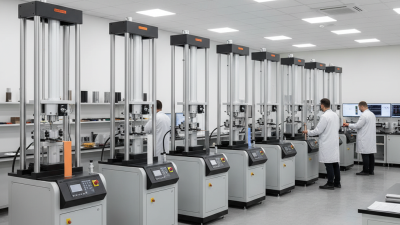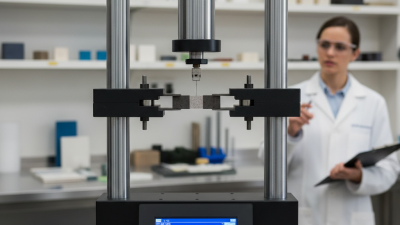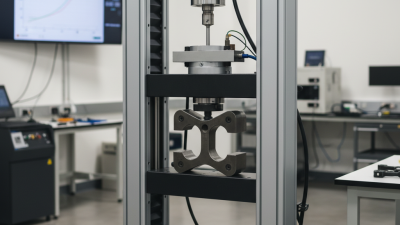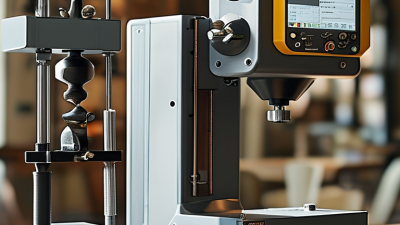

Selecting a tensile testing machine is not just a matter of choosing the highest load capacity. Buyers must match the instrument to their materials, specimen sizes, test methods, and daily workload. A tensile machine used for thin film may need different grips and force measurement than one testing metal bars or molded plastics. Small details matter. A poorly suited grip can cause slippage, while an oversized frame may waste valuable laboratory space.
This guide reviews seven tensile testing machines for buyers comparing options across global markets. It considers practical factors such as force range, measurement accuracy, control software, fixture flexibility, installation, and technical support. A clear specification sheet helps, but it does not tell the whole story. Ask how easily operators can change grips, calibrate the load cell, and export test results. Fit matters. For international purchases, confirm regional service coverage, training availability, spare-part access, and compatibility with the test standards relevant to your work. Product configurations and delivery options can vary by supplier and destination, so verify current details directly before ordering. There is no perfect choice. A capable machine can still be a poor investment if its software is difficult to use or its fixtures do not suit your specimens. The comparisons ahead are intended to help buyers ask better questions, not replace a technical review of their testing requirements.
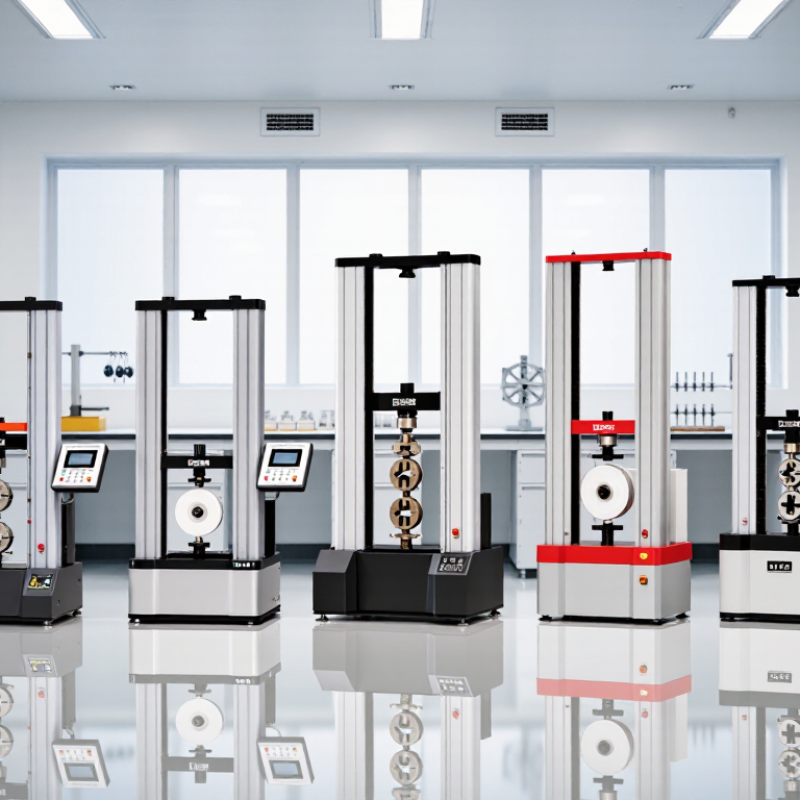
A tensile testing machine pulls a prepared specimen until it stretches or breaks. A load cell records force, while an extensometer or crosshead tracks extension. Software converts these readings into a stress–strain curve. Stress is force divided by the specimen’s original cross-sectional area; strain is extension divided by its original gauge length. The curve helps engineers assess how a material behaves under tension.
Key results include tensile strength, yield strength, elongation, and sometimes elastic modulus. ASTM E8/E8M gives standardized methods and specimen dimensions for metal testing; its common round specimen uses a 50 mm gauge length with a 12.5 mm diameter. ISO 6892-1 describes tensile testing of metallic materials at room temperature. These standards make results more comparable, but specimen preparation and test settings still matter. Small errors can shift the curve.
Tips: Check alignment before testing; a crooked specimen may bend instead of pulling evenly. Confirm the load cell range and extensometer gauge length, then record the test speed and conditioning details. Real tests are rarely perfectly tidy. A rough fracture surface or slipping grip can make a result harder to interpret, so keep notes with the data.
Illustrative engineering stress–strain curve for a low-carbon steel specimen. A tensile testing machine pulls a specimen while measuring force and extension. Stress is calculated from force and the specimen’s original cross-sectional area; strain is calculated from extension and the original gauge length. Values vary with material grade, specimen geometry, and test conditions.
For global buyers, compare tensile machines by the work they must perform, not by headline capacity alone. A 5 kN frame may suit thin films, while metal coupons can require a much higher range. Check whether the load cell measures typical samples near its useful range. Oversized capacity can hide small force changes. Small detail, big consequence.
Standards compatibility matters across regions and industries. Confirm that the machine can follow the test methods your customers specify, including specimen dimensions, grips, speeds, and reporting fields. Ask how calibration is documented and whether certificates are traceable to recognized measurement systems. Software should handle local units and export readable data. Test a sample report before ordering. Paperwork can be awkward.
Local conditions deserve equal attention. A compact lab may need a benchtop frame, while a production floor may need guards and faster changeovers. Verify electrical supply, installation needs, language support, spare-part access, and realistic service response times in the destination market. If humidity or temperature varies, ask about operating limits and environmental controls. I would not assume a machine performs equally well in every room. Compare the full delivered setup, including grips, fixtures, training, and maintenance—not just the frame price. Some requirements only become obvious after the first damaged specimen.
Tensile testing machines vary by drive system, force range, and the materials they can evaluate. Electromechanical universal testing machines suit many routine tests on plastics, metals, textiles, and packaging. They can measure tensile strength, elongation, compression, and bending when fitted with suitable fixtures. A tabletop model saves floor space and often handles smaller specimens. Larger frames accommodate heavier loads and wider test setups. More capacity is not always better. An oversized load cell can reduce useful measurement resolution for low-force samples.
Hydraulic systems are commonly selected for high-force testing, while servo-hydraulic machines can apply repeated or rapidly changing loads. Those capabilities matter for fatigue and cyclic testing, not just a single pull to failure. Environmental chambers add controlled heat or humidity, helping users study how conditions affect a specimen. Some setups also use extensometers to measure strain more accurately than crosshead movement alone. Fit matters. Grip choice, alignment, calibration, and software settings can all influence results. Buyers should compare the expected specimen size and force range with the machine’s documented specifications, then check what fixtures and service support are available. A capable frame can still produce questionable data if the setup is poorly matched.
Global buyers should compare seven machine types, not rely on a ranking alone. World Steel Association’s World Steel in Figures 2024 reports 1,892.2 million tonnes of crude steel production in 2023. Plastics Europe’s Plastics—The Fast Facts 2024 reports 413.8 million tonnes of global plastics production that year. These figures show the scale of two sectors where tensile testing supports material evaluation; they do not indicate how many tests each sector performs. Context matters.
The seven leading options serve different needs: benchtop electromechanical machines for small samples; floor-standing electromechanical models for broader force ranges; servo-hydraulic systems for high-force or cyclic work; high-temperature units for heated specimens; biaxial machines for multi-directional loading; film-and-foil testers with sensitive grips; and automated multi-station systems for repeatable throughput. Check load capacity, extensometer range, grip design, calibration records, software, and local service before comparing prices. Small details count. A slippery film sample can skew results, while an oversized load cell may reduce measurement resolution. Rankings are imperfect. The best fit depends on specimen geometry, test speed, and the lab’s daily workload. Request a demonstration using your own materials, and inspect how easily operators can mount and align each sample.
| Machine Type | Typical Force Capacity | Common Test Materials | Typical Test Speed | Key Capabilities | Common Standards | Best Suited For |
|---|---|---|---|---|---|---|
| Benchtop single-column universal tester | 0.5–5 kN | Films, thin plastics, textiles, paper, small components | Approximately 0.001–1,000 mm/min, depending on configuration | Compact footprint; interchangeable grips and fixtures; suitable for tension, compression, and peel testing | ASTM D638, ASTM D882, ASTM D903, ISO 527, ISO 1924 | Quality-control laboratories with limited space and low-force test requirements |
| Floor-standing dual-column universal tester | 10–300 kN | Metals, rigid plastics, composites, fasteners, structural components | Commonly 0.001–500 mm/min; higher speeds may be available on selected configurations | Rigid load frame; broad fixture selection; supports tensile, compression, flexure, and shear tests | ASTM E8/E8M, ASTM D638, ISO 6892-1, ISO 527 | General-purpose materials laboratories and production testing |
| High-capacity electromechanical tester | 300–2,000 kN | Reinforcing steel, wire rope, chains, heavy structural metals | Typically configured for controlled, relatively low test speeds; capacity and speed depend on the frame | High-force testing; heavy-duty grips; often requires substantial floor space and reinforced installation | ASTM E8/E8M, ISO 6892-1, EN ISO 15630-1 | Steel mills, construction-material labs, and heavy-industry testing facilities |
| Servo-hydraulic universal testing system | 100 kN to several meganewtons | Large metal specimens, structural parts, concrete-related components, high-load assemblies | Variable; dynamic test rates depend on actuator, control system, and specimen setup | High force output; can support static and fatigue testing; requires hydraulic power and regular system maintenance | ASTM E4, ASTM E8/E8M, ISO 7500-1, application-specific methods | Large specimens, high-load research, and structural testing |
| High-speed tensile testing system | Commonly 1–100 kN, depending on design | Automotive polymers, packaging materials, films, and components subject to rapid loading | Designed for elevated strain rates; actual rates vary widely by system and test method | Captures force and extension during rapid events; may require specialized sensors and high-speed data acquisition | ISO 18872, ASTM D3763, method-specific high-rate procedures | Impact-related material characterization and product safety research |
| Environmental-chamber tensile testing system | Typically 1–600 kN, based on frame and chamber configuration | Plastics, elastomers, metals, adhesives, and composites tested at controlled temperatures | Set by the test method and load-frame configuration | Temperature-controlled testing; chamber range and specimen size are configuration-dependent; some setups support humidity control | ASTM D638, ASTM E21, ISO 527, ISO 6892-2 | Applications where temperature materially affects strength, elongation, or stiffness |
| Specialized textile and yarn tensile tester | Usually 0.1–10 kN | Yarn, thread, fabric strips, fibers, narrow-width textiles | Typically adjustable to suit the relevant textile test method | Textile-specific grips; options for single-yarn, strip, and grab testing; low-force measurement is important | ASTM D2256, ASTM D5035, ISO 2062, ISO 13934-1 | Textile mills, fiber laboratories, and apparel-material quality control |
Choosing a tensile testing machine starts with the material, not the largest load rating. A thin polymer film may need a low-capacity load cell and sensitive extension measurement, while metal coupons can require much higher force. List your specimen dimensions, expected strength, elongation, and test frequency. Then check that the frame, load cell, grips, and extensometer cover the full range without sacrificing measurement resolution. A machine that barely meets the maximum load may leave little room for future tests.
Match the software and fixtures to the test methods your lab actually uses. Confirm compatibility with the relevant ASTM or ISO procedures, and ask how calibration is documented and maintained. Grips matter: slipping can distort results, while excessive clamping can damage soft samples. Compare the purchase price with installation, training, service access, and replacement parts. A lower initial quote is not always the lower-cost choice. It is worth admitting that forecasts can be wrong; leave some capacity for likely material changes.
Tips: Request a sample test using your own specimen, and review the force-extension curve before ordering. Check local power requirements, operator training, and service response times. Ask suppliers to state measurement ranges clearly, not just maximum force. Keep the test plan beside the quote. That small step can prevent an expensive mismatch.